

Why Inactivity Feels Safer Than Movement for Many Adults
Why Inactivity Feels Safer Than Movement for Many Adults Many adults find staying still or doing very little easier than getting up and moving. The reasons are a mix of body, mind, and environment. Physical discomfort, habits, fear of judgment,…
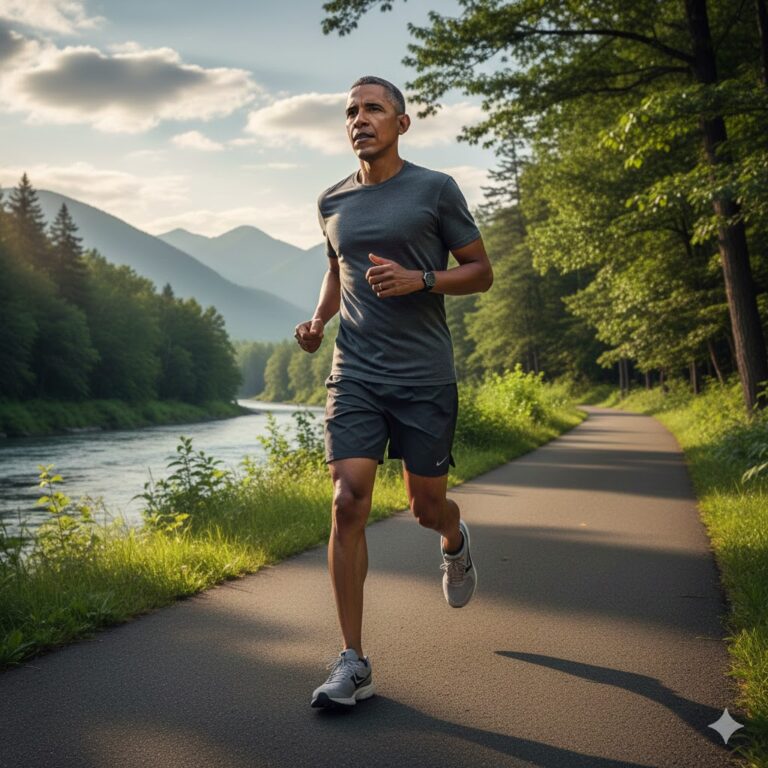
How Repeated Setbacks Make People Give Up on Physical Progress
How repeated setbacks make people give up on physical progress is often simple: small failures add up, lower motivation, and change how someone sees effort and results. Running and cardio workouts that once felt energizing can start to feel pointless…
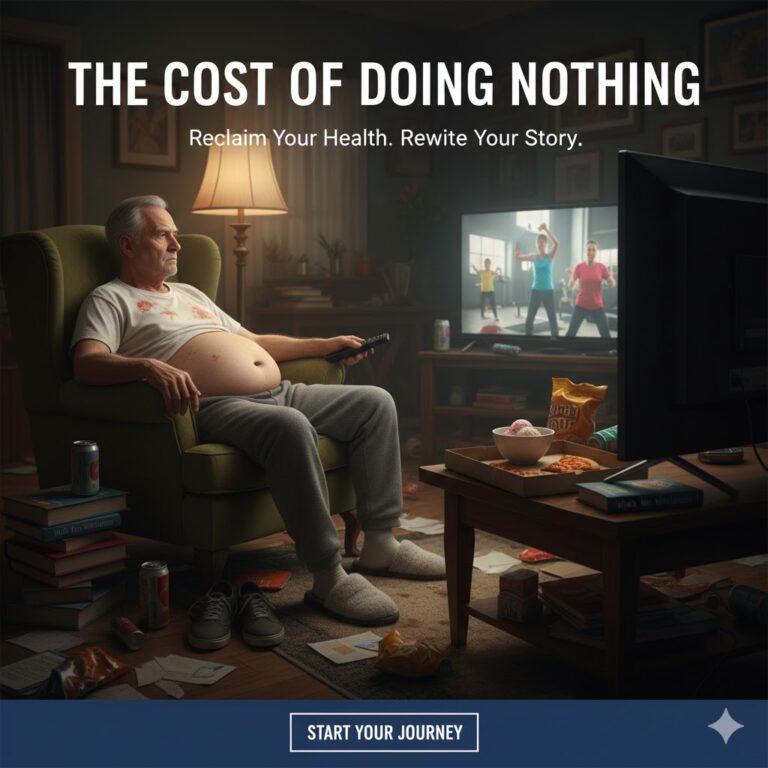
Fear of Pain: The Silent Reason People Stop Trying to Move Better
Fear of Pain: The Silent Reason People Stop Trying to Move Better Many folks start out excited about getting active, dreaming of running trails or powering through a cardio workout to feel stronger and start loosing weight. But soon enough,…
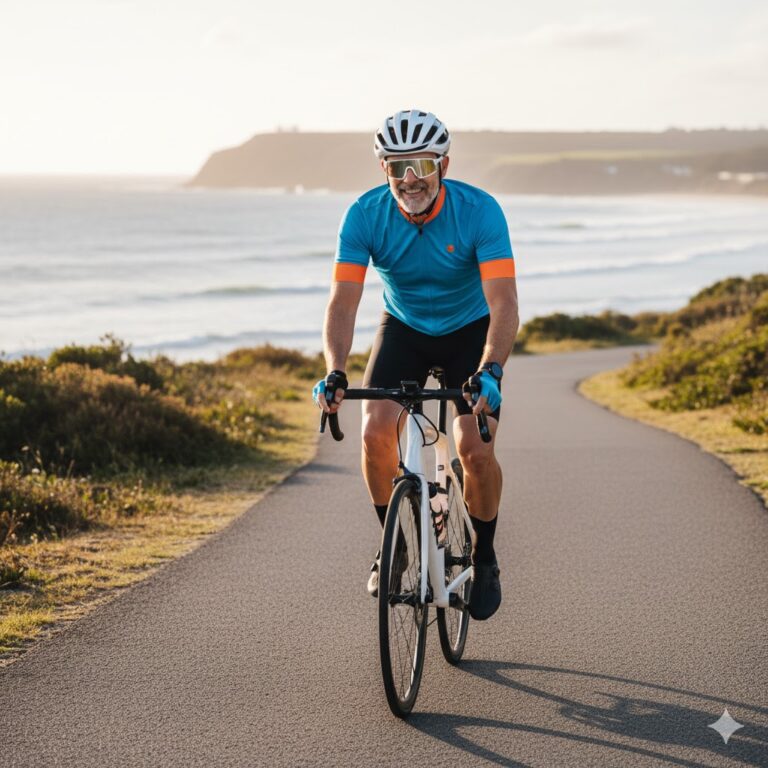
Why Many People Accept Physical Decline Instead of Rebuilding Movement
Many people accept physical decline instead of rebuilding movement because fear, habits, and misconceptions make inactivity feel easier and safer than the hard work of retraining the body and mind. Loss of confidence after an injury or the slow…

How Metabolism Changes With Age When Physical Activity Is Missing
How metabolism changes with age when physical activity is missing Metabolism tends to slow with age, and when regular physical activity is missing this process accelerates-leading to lower calorie needs, loss of muscle, greater fat gain, and higher risk of…
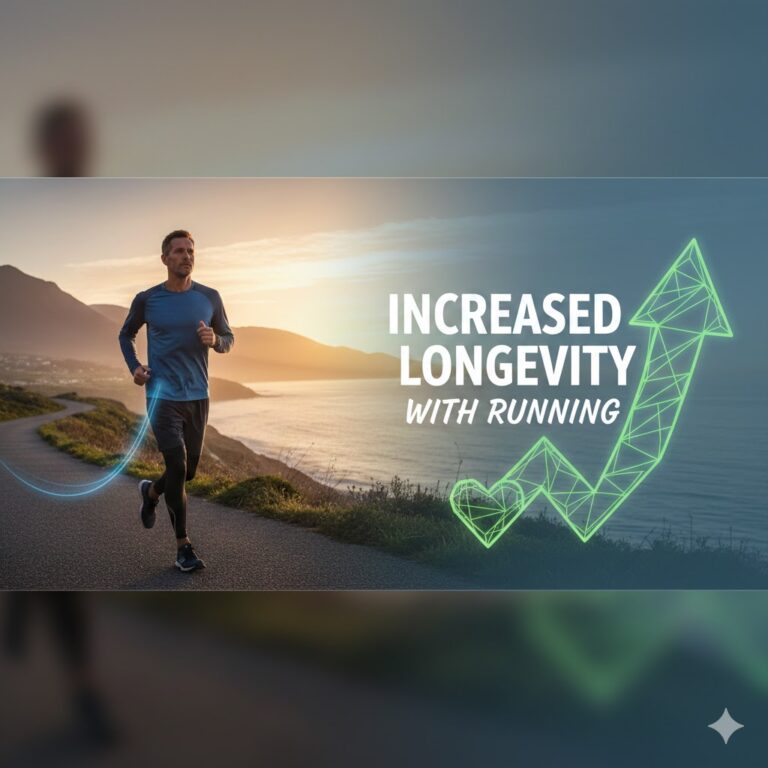
Why Energy Levels Decline Faster Without Exercise Later in Life
As we get older, our bodies naturally lose steam when it comes to energy. Cells inside our muscles and organs have tiny power plants called mitochondria that turn food into fuel. Over time, these mitochondria get less efficient at their…