Intensity minutes are logged whenever your heart rate reaches 50% of your maximum capacity or you’re engaging in moderate-to-vigorous physical activity, and the truth is that you don’t need a gym membership or structured workout to accumulate them. Everyday activities like taking the stairs instead of the elevator, carrying groceries uphill, playing actively with children, or even aggressive yard work can push your heart into that intensity zone and count toward your daily goals. The key is understanding which ordinary tasks naturally elevate your cardiovascular system enough to register on fitness trackers, then strategically incorporating more of these moments into your routine.
Many people assume intensity minutes only come from running, cycling, or formal exercise classes, but research from the American Heart Association shows that accumulated activity throughout the day—what researchers call “activity snacking”—can contribute significantly to meeting cardiovascular health targets. For example, a 45-year-old doing vigorous housecleaning while standing can easily reach intensity levels comparable to a brisk walk, especially if they’re moving quickly and continuously. The practical advantage is that these activities serve dual purposes: they get your home or yard done while simultaneously boosting your fitness metrics.
Table of Contents
- Which Daily Chores Actually Count as Intensity Minutes?
- The Cardiovascular Benefit Gap Between Intentional and Incidental Activity
- Practical Examples of Everyday Activities That Register as Intensity
- Building Intensity Minutes Into Your Day Without Extra Time
- Seasonal and Environmental Limitations on Outdoor Intensity Activities
- How Fitness Trackers Actually Measure Intensity Minutes
- Building Sustainable Intensity Habits for Long-Term Cardiovascular Health
- Conclusion
- Frequently Asked Questions
Which Daily Chores Actually Count as Intensity Minutes?
The distinction between light activity and what qualifies as intensity comes down to effort level and heart rate response. Vigorous housecleaning—scrubbing floors, vacuuming with deliberate speed, carrying laundry up and down stairs repeatedly—typically elevates heart rate into the intensity zone for most people. The same applies to yard work like raking, digging, or pushing a manual lawn mower, particularly on hilly terrain where you’re working against gravity. A person weighing 155 pounds doing vigorous house cleaning burns roughly 250 calories per hour, which generally correlates with hitting intensity thresholds.
The limitation here is individual variation: your resting heart rate, fitness level, and body weight all affect what actually counts as intensity for you. Someone who runs marathons might not reach intensity during vacuuming, while someone less trained might hit it immediately. This is why fitness trackers use algorithms rather than simple activity names—they’re measuring your actual heart rate response, not making assumptions based on the task alone. A slow, leisurely garden stroll won’t count, but power-walking through your errands while carrying bags definitely can.

The Cardiovascular Benefit Gap Between Intentional and Incidental Activity
Unstructured intensity minutes from daily chores do count toward your overall fitness goals, but they’re less predictable and often shorter in duration than planned exercise sessions. When you schedule a 30-minute run, you’re guaranteeing 30 minutes of sustained effort; when you scrub your bathroom, you might get 8 to 12 minutes of elevated heart rate before switching to a less demanding task. This inconsistency means relying solely on incidental activity is risky if you’re trying to meet specific cardiovascular health targets.
A warning worth noting: busy people often convince themselves that their active lifestyle from work or household tasks covers their exercise requirements, when in reality these moments are too fragmented or too low-intensity to provide the sustained benefits that structured cardio offers. Someone who spends all day on their feet at a retail job might average maybe 5-10 genuine intensity minutes across an 8-hour shift, which falls short of the recommended 150 minutes of moderate activity per week that health organizations like the American Heart Association specify. Incidental activity is valuable supplementation, not a replacement.
Practical Examples of Everyday Activities That Register as Intensity
A specific real-world example: a homeowner raking leaves vigorously for 20 minutes on an autumn afternoon will likely log 15-18 minutes of genuine intensity time. The work is constant, the arm motion is repetitive and forceful, and for most people, the heart rate climbs notably. Similarly, playing tag or basketball with children generates bursts of intensity throughout the activity—the running, direction changes, and effort of keeping up with kids younger and less fatigued than you create legitimate cardiovascular demand.
Social dancing, particularly faster tempos like swing or Zumba styles, reliably triggers intensity minutes because of the combination of sustained movement, weight shifts, and continuous motion. A 40-minute dance session at a wedding or social event might yield 20-25 intensity minutes depending on tempo and effort. Hiking on inclines is another straightforward example: the elevation gain increases effort level automatically, making a 45-minute hike on a trail with elevation gain considerably more effective than the same duration on flat ground. Even something as simple as aggressively scrubbing your kitchen counter while standing, combined with reaching and leaning motions, creates localized muscle fatigue and elevated heart rate that can register as intensity.

Building Intensity Minutes Into Your Day Without Extra Time
The practical advantage of incorporating intensity into existing daily tasks is efficiency—you’re not adding time to your schedule, just increasing the intensity of time you’re already spending. Rather than leisurely browsing through the grocery store, you can park farther away, walk quickly between sections, and carry multiple bags to your car in fewer trips, which adds up to 10-15 minutes of elevated heart rate with zero additional time investment. Similarly, instead of letting a load of laundry sit while you work, you can carry baskets to and from the washer on upper floors, squatting to load the machine, and moving deliberately. The tradeoff is mental: intentionally injecting intensity into mundane tasks requires more focus and deliberate effort than moving at a comfortable pace.
You can’t zone out or listen to a podcast as easily when you’re pushing yourself. Many people find this actually makes the chores feel longer rather than shorter, even though objectively they’re finishing at the same time. For those who prefer to keep household tasks on autopilot, this approach feels burdensome. The solution is balance: identify one or two chores per week where you specifically push the pace, rather than trying to turn every single task into a cardiovascular workout.
Seasonal and Environmental Limitations on Outdoor Intensity Activities
Weather dramatically affects your ability to accumulate intensity minutes from outdoor chores. Winter in cold climates severely restricts yard work opportunities, and the danger of exerting yourself in extreme cold creates a legitimate safety concern—your cardiovascular system is under additional strain when your body is fighting to maintain core temperature. Shoveling snow is technically excellent for intensity minutes, but it’s also the leading cause of cardiac events in older adults during winter months due to the combined stress of cold exposure, exertion, and often pre-existing cardiovascular conditions.
A warning that extends beyond weather: relying on seasonal activities like raking leaves or yard work means your intensity minute accumulation will fluctuate throughout the year. Someone in a northern climate might log significant intensity minutes in autumn and spring while struggling in winter and early summer when yard work is minimal. This seasonal inconsistency makes it difficult to maintain steady cardiovascular fitness year-round. Building a mix of both seasonal outdoor activities and year-round indoor tasks (cleaning, stair use, dancing) provides more reliable baseline activity regardless of weather.
How Fitness Trackers Actually Measure Intensity Minutes
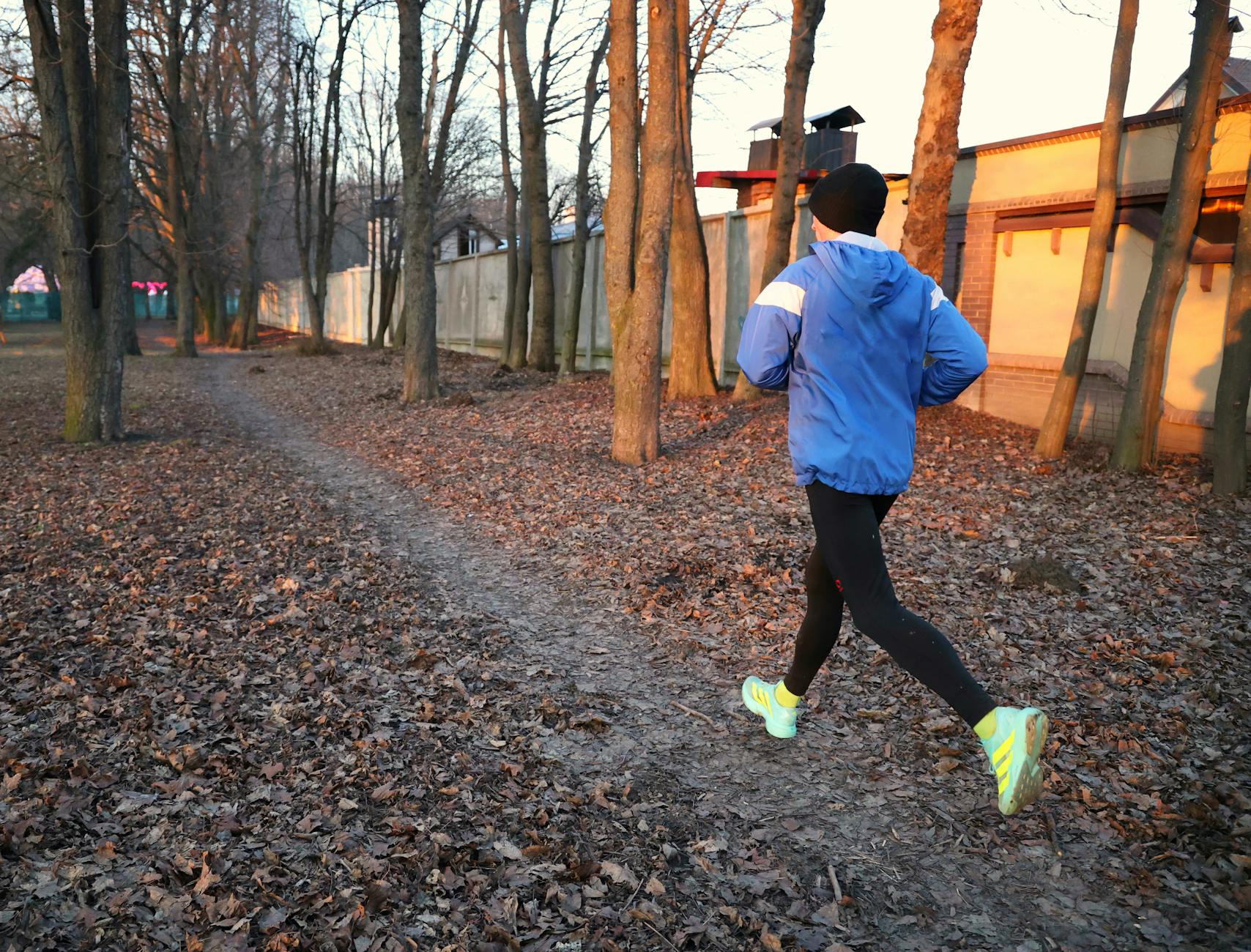
Most fitness trackers measure intensity by comparing your heart rate to an estimated maximum heart rate based on your age and sometimes your fitness level, triggering an intensity minute when you hit roughly 50% of your max or higher. The algorithm isn’t perfect—smartwatches sometimes miscount during tasks where you’re straining but not actually doing cardiovascular work, like heavy lifting with low reps, or miss genuine intensity during activities where your heart rate response lags slightly behind your effort, like swimming. An example: someone doing a set of heavy deadlifts might have their heart rate spike to intensity levels even though the actual cardiovascular stimulus is lower than a steady jog, causing overcounting.
Understanding your watch’s criteria matters because it helps you identify which activities actually register. If you notice your tracker consistently logs intensity during brisk walking but not during your morning commute on your bike, that’s information you can use to optimize. Experimenting for a week or two with specific activities and checking what your device counts helps you identify which everyday tasks are genuinely pushing your system hard enough to matter.
Building Sustainable Intensity Habits for Long-Term Cardiovascular Health
The most successful approach isn’t choosing between structured exercise and incidental intensity—it’s building both into your life. A sustainable pattern might look like: 3-4 sessions of planned cardio (running, cycling, fitness classes) per week for consistent, predictable intensity minutes, supplemented by daily incidental activity where you make deliberate choices to add intensity to existing tasks. This hybrid approach means you’re not dependent on the weather or your household workload to maintain fitness, while also recognizing that real life isn’t always conducive to structured exercise.
The future of fitness tracking points toward more sophisticated understanding of intensity. As wearable technology improves, devices are becoming better at distinguishing between genuinely demanding activity and movement that only appears intense. This means the advice to “just live an active life” is gradually being replaced with more nuanced understanding: some activity is better than nothing, but not all movement is equally beneficial. The people who build the most sustainable fitness habits aren’t those chasing intensity minutes relentlessly, but those who genuinely enjoy both the activities themselves and the secondary benefits—a clean house, tended garden, or social dancing—alongside the cardiovascular gains.
Conclusion
Everyday activities can meaningfully contribute to your intensity minutes if you approach them strategically and understand that effort level determines whether something counts. Vigorous housecleaning, yard work, carrying groceries, playing with children, and dancing can all register as genuine intensity, provided you’re pushing hard enough to elevate your heart rate into the target zone. The practical advantage is that these activities serve multiple purposes simultaneously: they accomplish necessary tasks while boosting your fitness metrics.
The key is recognizing that incidental intensity is supplementation, not replacement, for more structured cardiovascular activity. Build your primary fitness base through planned exercise, then use everyday activities as opportunities to add additional intensity minutes without expanding your time commitment. By deliberately choosing to increase the pace and effort of existing tasks—taking stairs, carrying multiple loads, working quickly—you’re building cardiovascular fitness into the fabric of your daily life rather than compartmentalizing it as something separate that requires special time and equipment.
Frequently Asked Questions
Do intensity minutes count the same whether I get them from running or from scrubbing my floor?
Your fitness tracker counts them the same way—by measuring your heart rate response—but the sustainability and cardiovascular adaptations differ. Sustained, planned cardio provides more consistent training stimulus for your aerobic system. Scattered intensity minutes from daily tasks offer valuable supplementation but shouldn’t fully replace structured exercise.
What’s the fastest way to build intensity minutes into my existing routine?
Identify activities you’re already doing that last 10-30 minutes and deliberately increase your pace or effort: power-walk while running errands, take stairs instead of elevators, do vigorous housecleaning while standing and moving quickly. Start with one or two activities per week rather than trying to change everything simultaneously.
Can I reach my intensity minute goals without formal exercise?
Technically possible, but impractical and unstable. Someone would need to maintain very high activity levels throughout the day, every day, with no weather interruptions or life changes—unrealistic for most people. Using daily activities as supplementation to 3-4 weekly exercise sessions is far more sustainable.
Why doesn’t my watch count intensity during yard work when I feel like I’m working hard?
Heart rate response is individual and sometimes delayed. Your fitness level, temperature, hydration, and caffeine intake all affect when your heart rate responds. If you’re not reaching your estimated maximum heart rate threshold for your age, your watch won’t register intensity. Some people reach intensity quickly during yard work; others don’t.
Should I buy a fitness tracker specifically to monitor intensity minutes?
Useful but not essential. If you already have a smartwatch or fitness band, monitor your intensity for a week or two to understand your patterns. If you don’t have a tracker, the most valuable investment is consistent exercise rather than the device itself—you’ll notice cardiovascular improvements regardless of whether you’re counting minutes.