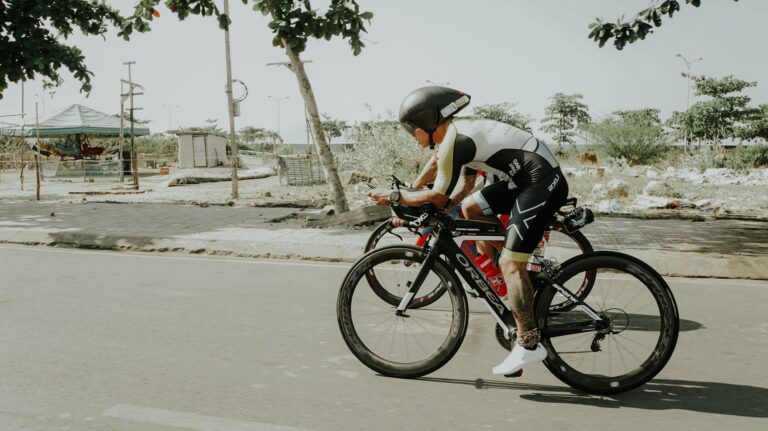
Yes, you can run with muscle cramps, but whether you should depends on the severity and your specific situation. A cramp is an involuntary muscle contraction that can range from a mild twinge to a debilitating spasm. If you’re experiencing a light cramp in your calf during the middle of a 5K race, you might power through it with some adjustments to your pace and form. However, a severe cramp that causes sharp pain or prevents normal muscle function should be treated as a signal to stop or significantly reduce your effort.
The key is understanding what your body is telling you and knowing how to respond safely. Runners experience cramps regularly, and the decision to continue running or walk it out depends on multiple factors including cramp intensity, where it’s located, what caused it, and how late in your workout you are. A cramped quadriceps in the final mile of a long run requires different decision-making than a cramped foot at the beginning of your workout. The distinction matters because pushing through the wrong type of cramp can lead to muscle damage or compensation injuries.
Table of Contents
- What Causes Muscle Cramps During Running?
- Understanding Cramp Severity and When to Stop Running
- How Dehydration and Electrolyte Loss Affect Running Performance
- Practical Strategies for Managing Cramps Mid-Run
- Risk of Muscle Damage and Secondary Injuries
- Prevention Through Proper Training Progression
- The Role of Warm-Up and Flexibility in Cramp Prevention
- Conclusion
- Frequently Asked Questions
What Causes Muscle Cramps During Running?
muscle cramps during running typically stem from dehydration, electrolyte imbalances, overexertion, or inadequate warm-up. When you lose fluids through sweat, your body struggles to maintain proper mineral balance, particularly sodium and potassium, which are essential for muscle contraction regulation. A runner who hasn’t consumed enough water during a hot 10-mile training run is far more likely to experience cramping in the final miles than someone who hydrated consistently throughout. Similarly, pushing your pace beyond what your body has trained for—like sprinting the last mile of a run when your weekly mileage is still low—can trigger cramps as muscles fatigue faster than they can recover.
Poor nutrition in the hours before a run plays a significant role as well. If you run on an empty stomach after a night without proper carbohydrate or mineral intake, your muscles lack the fuel and electrolytes they need for sustained contraction. Many runners discover this the hard way during a half marathon, where inadequate pre-race fueling leads to cramping in the final miles. Additionally, muscle tightness from inadequate stretching or foam rolling can make you more susceptible to cramps because tight muscles have less flexibility to handle the demands of repetitive running motion.

Understanding Cramp Severity and When to Stop Running
Not all cramps require you to stop running immediately, but severe cramping demands attention. A mild cramp might feel like a dull tightness that you can manage by slowing your pace, adjusting your stride, or gently stretching the affected muscle while walking. These types of cramps often resolve within a minute or two if you reduce intensity and take deep breaths. However, a severe cramp that causes sharp, shooting pain or temporarily immobilizes the muscle is your body’s way of saying something is wrong. Continuing to run hard on a severe cramp can lead to muscle tears, strains, or compensation injuries where you unconsciously alter your gait to avoid the cramped muscle, putting stress on other areas.
The location of the cramp matters significantly for determining whether to continue. A cramp in your calf is usually manageable through walking and gentle stretching while maintaining forward progress at a reduced pace. A cramp in your quadriceps, hamstring, or foot, however, often affects your ability to maintain normal running mechanics, and pushing through can compromise your form enough to cause secondary injuries. Runners often make the mistake of ignoring warning cramping, thinking it will fade if they maintain effort, only to experience a full muscle spasm that forces them to stop completely. A practical approach is to treat moderate cramping as a signal to slow down and assess—if the cramp worsens after two minutes at reduced pace, stop and address it directly.
How Dehydration and Electrolyte Loss Affect Running Performance
Dehydration is one of the primary culprits behind cramping during runs, yet it develops gradually throughout your effort. Your muscles need water to contract efficiently, and as you lose fluids through sweat, the concentration of electrolytes increases, throwing off the balance your nervous system needs to regulate muscle contraction. A runner in a half marathon on a warm day who hasn’t drunk anything since mile 4 might feel fine at mile 8, but by mile 10 or 11, dehydration combined with electrolyte depletion creates the perfect storm for cramping. This is why experienced runners hydrate consistently throughout longer efforts rather than waiting until they feel thirsty.
Sodium depletion is particularly critical because sodium helps your muscles respond to nerve signals that trigger contraction. Studies of endurance athletes show that those who lose more sodium through sweat without replacing it are significantly more likely to experience cramping during extended efforts. A runner who sweats heavily and relies solely on water intake without electrolyte replacement is essentially diluting the sodium concentration in their bloodstream, making cramps more likely. For runs longer than 60-90 minutes, especially in heat, using a sports drink or electrolyte supplement isn’t optional for many runners—it’s essential for preventing cramping and maintaining performance.

Practical Strategies for Managing Cramps Mid-Run
If you develop a cramp while running, your immediate response should be to reduce intensity and attempt a gentle stretch. Slowing to a walk and doing a static stretch of the affected muscle—pulling your foot toward your glute for a calf cramp, or lunging forward for a quadriceps cramp—often provides relief within 30 seconds to two minutes. This approach buys you time to determine whether the cramp is mild enough to continue with or severe enough to stop. Many runners find that continuing at an easy pace while frequently stretching can resolve the cramp and allow them to finish the workout, whereas abruptly stopping or sitting down can sometimes make the next step more difficult due to the muscle’s contracted state. Breathing techniques can also help relax a cramping muscle.
Deep, intentional breathing reduces muscle tension and can prevent cramping from escalating into a full spasm. Some runners find that changing their running form—shortening their stride, reducing knee lift, or adjusting their arm swing—reduces the demand on the cramped muscle enough to continue. Compare this to stopping immediately: while stopping allows complete rest, it often means ending your workout or losing significant time on your goal pace, which may be unnecessary if the cramp is manageable. The tradeoff is that continuing to run while cramped risks making the cramp worse or triggering a secondary injury through compensation patterns. Most experienced runners favor the middle ground—slow down, stretch gently, and reassess after a few minutes of easy effort.
Risk of Muscle Damage and Secondary Injuries
Continuing to run hard on a severe cramp risks actual muscle damage, including micro-tears or strains that extend recovery time. A quadriceps cramp that you push through during a tempo run can turn into a quadriceps strain that sidelines you for weeks, making the short-term discomfort of stopping seem trivial in retrospect. The muscle is already in distress when cramping occurs, and adding continued hard effort on top of that stress can cross the line from discomfort to injury. Additionally, a cramped muscle pulls your body out of its normal running mechanics, forcing other muscles—hip flexors, hamstrings, or glutes on the opposite side—to compensate for the reduced power output of the cramped muscle.
This compensation pattern is a major source of secondary injuries in runners. A runner compensating for a right calf cramp by shifting more weight to the left leg and changing their gait can develop left knee pain, IT band tightness, or hip flexor strain within days or weeks. Warning signs that your cramp has created a secondary issue include pain that persists beyond the cramp itself, stiffness that worsens the next day, or ongoing compensation pain in different areas. The lesson is clear: a single cramped muscle during a run is often not worth sacrificing your training consistency over the following weeks by pushing through to injury.

Prevention Through Proper Training Progression
The most reliable way to avoid cramping is to prevent it through smart training practices. Building your weekly mileage gradually—following the 10% rule where you increase distance by no more than 10% per week—allows your muscles to adapt to the demands you’re placing on them. A runner who suddenly increases their long run from 10 miles to 13 miles without gradually building up is far more likely to cramp than one who adds a mile or two every couple of weeks. Your muscles have a capacity for the work you’ve trained them to handle; when you exceed that capacity suddenly, cramping and other fatigue-related issues follow.
Incorporating strength training, particularly for the calves, quadriceps, and core, also improves your muscles’ resilience and reduces cramping risk. Runners who spend just two sessions per week doing basic lower-body strength exercises—calf raises, lunges, squats, and planks—typically experience fewer cramps because their muscles are stronger and more fatigue-resistant. Additionally, adequate recovery between hard efforts gives your muscles time to repair and adapt. A runner doing speed work three times per week with insufficient easy-run days in between is creating chronic muscle fatigue that makes cramping more likely, whereas one who balances hard efforts with recovery builds greater capacity over time.
The Role of Warm-Up and Flexibility in Cramp Prevention
Starting your run without an adequate warm-up increases cramping risk, particularly if you jump immediately into hard effort. A 5-10 minute easy jog before speeding up allows your muscles to gradually increase blood flow, raise their temperature, and activate their full range of motion. Runners who do this notice they feel stronger in their fast miles and cramp less frequently. Conversely, launching straight into a tempo run or interval session from a standstill places high demands on cold muscles that aren’t yet prepared for that intensity.
Regular stretching and mobility work also matter significantly. Tight muscles have reduced range of motion and are more prone to cramping because they’re already partially contracted. A runner who spends 10 minutes daily stretching their calves, hamstrings, and hip flexors will almost certainly cramp less frequently than one who never stretches. The key is consistency—occasional stretching after a run isn’t nearly as effective as building it into a regular routine. For runners who cramp frequently, addressing flexibility barriers often solves the problem more effectively than any other intervention.
Conclusion
You can absolutely run with muscle cramps, but the decision to continue, slow down, or stop should depend on cramp severity and your ability to safely maintain or modify your effort. Mild to moderate cramps that improve with stretching, slower pacing, and easy effort can often be managed without abandoning your workout. Severe cramps that cause sharp pain, limit your mobility, or force significant changes to your running form signal that you should stop and address the issue, as continuing risks actual muscle damage and secondary injuries that derail training far longer than a missed run would.
The best approach is prevention through consistent hydration during runs over 60-90 minutes, gradual training progression that respects your body’s adaptation timeline, regular strength and flexibility work, and never skipping your warm-up. These practices eliminate the majority of cramping problems before they start, meaning you’ll spend far more of your running life able to run at the pace you want without worrying about cramping. When cramps do occur, respond early with intensity reduction and gentle stretching rather than waiting for them to worsen—that gives you the best chance of continuing your run safely while minimizing injury risk.
Frequently Asked Questions
Can I cramp during my first 5K race if I’ve trained properly?
Yes, but it’s less likely if your training has prepared you for that distance. Cramping during a race usually indicates dehydration, inadequate pre-race nutrition, or pushing harder than your training has prepared you to sustain. Many first-time racers cramp despite good training because they go out too fast and demand more from their muscles than they’ve practiced.
Should I stretch a cramp immediately or wait for it to relax?
Gentle stretching while the muscle is cramped usually provides relief faster than waiting. A static stretch held for 30-60 seconds while taking deep breaths typically resolves most cramps within a couple of minutes. Avoid aggressive stretching or bouncing, which can aggravate the muscle.
Is it normal to cramp in the same muscle every run?
No. Repeated cramping in the same area usually signals a training imbalance, inadequate warm-up, insufficient hydration, or a biomechanical issue with how that muscle is being used. Address it by examining your hydration, adding strength work for that muscle group, increasing warm-up time, or consulting a running coach about your form.
Can heat and humidity make cramping worse?
Absolutely. Hot, humid conditions increase fluid loss through sweat and make electrolyte depletion more likely. Runners are far more prone to cramping on warm days, especially if they don’t increase their hydration intake accordingly. In heat, your fluid needs can easily double compared to cool-weather runs.
How long should I wait after a cramp before running hard again?
If the cramp resolved quickly and you finished your run without issue, you can usually resume normal training the next day. If the cramp was severe or the muscle is sore the next day, take an easy recovery day and reassess before doing hard efforts. Persistent soreness suggests a strain rather than just a cramp, requiring longer recovery.