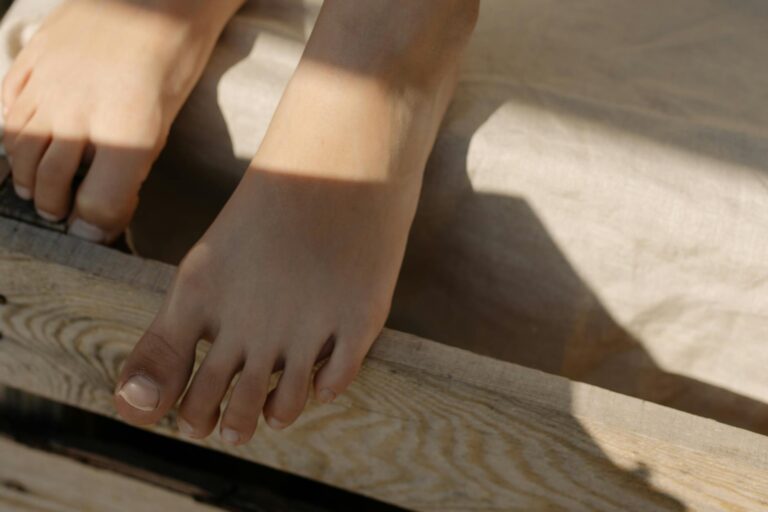
Finding the best running shoes for beginners with flat feet in 2025 requires understanding both your foot mechanics and the current landscape of running footwear technology. Flat feet, medically known as pes planus, affects approximately 20-30% of the general population, and for those just starting a running program, choosing the wrong footwear can lead to discomfort, injury, and early abandonment of fitness goals. The running shoe market has evolved significantly, with manufacturers now offering specialized options that address the unique biomechanical needs of flat-footed runners without sacrificing comfort or performance. Runners with flat feet face distinct challenges that neutral-footed runners simply do not encounter. When the arch collapses during the gait cycle, the foot tends to roll inward excessively””a motion called overpronation.
This chain reaction travels up through the ankle, knee, and hip, potentially causing shin splints, plantar fasciitis, knee pain, and IT band syndrome. For beginners who are still developing proper running form and building muscular endurance, these issues can derail progress before meaningful fitness gains occur. The right shoe acts as a foundation, providing the stability and support needed to maintain proper alignment throughout thousands of foot strikes per run. By the end of this article, readers will understand exactly what features to look for in running shoes designed for flat feet, how to assess their own pronation patterns, which shoe categories offer the best support, and how to properly fit and break in new footwear. The guidance provided draws from current podiatric research, biomechanical principles, and the latest offerings from major running shoe manufacturers. Whether training for a first 5K or simply trying to establish a consistent jogging routine, this information will help beginners make informed decisions that support long-term running success.
Table of Contents
- Why Do Runners with Flat Feet Need Special Running Shoes in 2025?
- Understanding Pronation Patterns and Flat Foot Biomechanics
- Key Features to Look for in Beginner Running Shoes for Flat Feet
- How to Properly Fit Running Shoes for Flat Feet
- Common Mistakes Beginners Make When Choosing Flat Feet Running Shoes
- Breaking In New Running Shoes and Transitioning Safely
- How to Prepare
- How to Apply This
- Expert Tips
- Conclusion
- Frequently Asked Questions
Why Do Runners with Flat Feet Need Special Running Shoes in 2025?
The architecture of a flat foot fundamentally changes how forces distribute during over-time/” title=”How Running Changes Your Resting Heart Rate Over Time”>running. In a typical foot, the arch acts as a natural shock absorber, compressing slightly upon impact and then springing back to propel the runner forward. When this arch is diminished or absent, the foot loses much of its intrinsic stability, causing the entire lower limb to compensate in ways that increase injury risk. Modern running shoes for flat feet address this through medial post technology, firmer midsole densities on the inner side, and guide rails that prevent excessive inward rolling without completely restricting natural foot motion.
The 2025 running shoe market reflects decades of research into pronation control and has moved away from the rigid, heavy stability shoes of previous generations. Today’s options incorporate lightweight foams, responsive cushioning systems, and subtle stability features that correct overpronation without feeling like orthopedic devices. Brands like Brooks, ASICS, New Balance, and Saucony have refined their stability lineups to offer beginners shoes that feel as comfortable and energetic as neutral models while still providing the structural support flat feet require. This represents a significant improvement over even five years ago, when stability shoes often sacrificed cushioning and weight for control.
- Flat feet lack the natural shock absorption of arched feet, requiring shoes with enhanced cushioning and support structures
- Overpronation caused by flat feet can lead to injuries affecting the entire kinetic chain from ankles to lower back
- Modern stability shoes use lightweight materials and subtle correction mechanisms rather than bulky, restrictive designs
- Beginning runners are particularly vulnerable to form-related injuries because their muscles and connective tissues have not yet adapted to running loads
Understanding Pronation Patterns and Flat Foot Biomechanics
Pronation itself is not inherently problematic””it is a natural part of the gait cycle that helps absorb impact. The issue arises when pronation becomes excessive or occurs at the wrong point in the stride. during normal running gait, the foot strikes the ground, rolls slightly inward to distribute forces, and then rolls back outward as the runner pushes off. In flat-footed individuals, this inward roll often continues past the point of optimal force distribution, causing the ankle to collapse inward and the knee to track improperly. Video gait analysis at specialty running stores can reveal pronation patterns that are invisible to the naked eye but significant enough to warrant corrective footwear.
The degree of flatness varies considerably among individuals. Some runners have flexible flat feet, where an arch appears when sitting but disappears under body weight. Others have rigid flat feet, where the arch is absent regardless of load. Flexible flat feet often respond well to standard stability shoes, while rigid flat feet may require motion control shoes or custom orthotics in addition to supportive footwear. Understanding which category applies helps narrow down the appropriate level of correction. A simple wet test””wetting the foot and stepping on a paper bag or dark surface””provides a basic assessment: a very wide, filled-in footprint with little or no curve on the inner side indicates flat feet.
- Normal pronation involves 15 degrees of inward roll; overpronation exceeds this and disrupts alignment
- Flexible flat feet show an arch when non-weight-bearing but flatten under load, often responding well to stability shoes
- Rigid flat feet remain flat regardless of weight-bearing status and may require motion control shoes or orthotics
- Gait analysis at specialty running stores uses video technology to assess pronation patterns and recommend appropriate shoe categories
Key Features to Look for in Beginner Running Shoes for Flat Feet
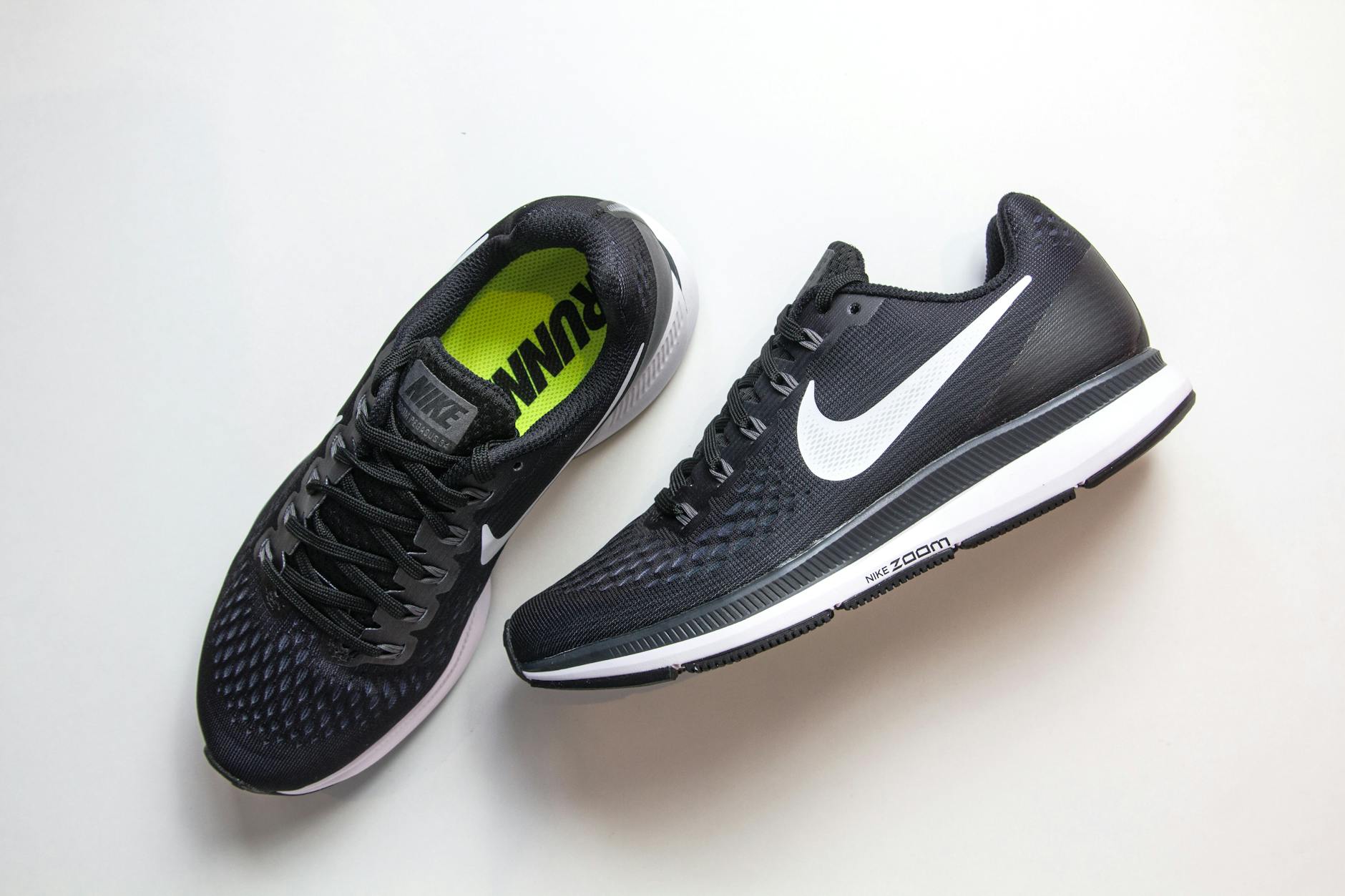
The midsole represents the most critical component for flat-footed runners, and understanding its construction helps decode marketing language when shopping. Dual-density midsoles feature firmer foam on the medial (inner) side that resists compression as the foot rolls inward, effectively slowing and limiting pronation. Guide rails are raised sidewalls that extend along the heel and midfoot, physically preventing the foot from rolling past a certain point. Both technologies achieve similar results through different mechanisms, and personal preference often determines which feels more natural during running.
Heel counters””the rigid structure surrounding the back of the shoe””provide another layer of stability by locking the heel in place and preventing it from wobbling during foot strike. For beginners with flat feet, a firm, well-structured heel counter reduces the workload on muscles and tendons that would otherwise have to stabilize an unsupported heel. The outsole also plays a supporting role: wider platforms increase the base of support, and strategically placed rubber sections on the medial side resist the abrasion caused by overpronation. Drop””the height difference between heel and forefoot””typically ranges from 8-12mm in stability shoes, providing a slight forward lean that many beginners find comfortable.
- Dual-density midsoles use firmer foam on the inner side to resist overpronation through material resistance
- Guide rails physically limit excessive inward foot motion without restricting natural gait mechanics
- Firm heel counters lock the rearfoot in place, reducing instability before the foot even contacts the ground
- Wider platforms and reinforced medial outsoles provide a stable base and resist wear from overpronation
How to Properly Fit Running Shoes for Flat Feet
Proper fit transcends simple length measurements and becomes especially important for flat-footed runners who need consistent contact with stability features. The thumb’s width of space between the longest toe and the shoe’s end remains a reliable guideline, but width fitting deserves equal attention. Flat feet often spread wider than average under load, meaning standard widths may feel adequate when sitting but constrictive during running. Most major brands offer wide (2E for men, D for women) and extra-wide (4E for men, 2E for women) options in their stability models, and choosing the correct width ensures the foot can function naturally within the shoe’s supportive structure.
Fitting should always occur later in the day when feet have swollen to their maximum size, mimicking conditions during a run. Wearing the same socks intended for running provides accurate volume assessment. When trying shoes, runners should perform actual running movements””jogging in place, short sprints if space allows””rather than simply walking. The heel should feel locked without slipping, the midfoot should feel snug but not constricting, and the forefoot should have enough room for toes to splay naturally upon impact. Any pressure points, pinching, or sliding indicate poor fit regardless of how the shoe looks or what size the label reads.
- Leave approximately one thumb’s width between the longest toe and the front of the shoe to accommodate foot swelling and forward movement during running
- Consider wide or extra-wide options, as flat feet often spread beyond standard width measurements under running loads
- Fit shoes in the afternoon or evening when feet are naturally larger from daily activity
- Test fit by jogging or running in the store rather than just walking, checking for heel slip, midfoot security, and forefoot freedom
Common Mistakes Beginners Make When Choosing Flat Feet Running Shoes
The temptation to prioritize aesthetics over function leads many beginners astray, particularly when sleek neutral trainers dominate social media and retail displays. Stability shoes have shed their clunky reputation, but some runners still gravitate toward neutral models that lack adequate support, assuming their flat feet will “strengthen” over time. While barefoot and minimalist approaches have advocates, beginning runners lack the muscular development and technique refinement to run safely without support. Building that foundation requires months or years of progressive training, and starting with inadequate footwear often causes injuries that interrupt this development entirely.
Another frequent error involves purchasing based solely on online reviews or recommendations without considering individual biomechanics. A shoe that earns universal praise may perform terribly for a specific runner’s foot shape, pronation severity, or running style. Similarly, assuming that more stability always equals better outcomes ignores the spectrum of flat foot presentations. Mild overpronators in maximally corrective motion control shoes often experience discomfort because the shoe overcorrects, pushing the foot into supination (outward rolling) and creating a different set of problems. Matching the level of stability to the degree of pronation produces optimal results.
- Choosing shoes based on appearance rather than support features sets beginners up for preventable injuries
- Assuming flat feet will self-correct through barefoot-style running ignores the time and training required to build sufficient foot strength
- Relying exclusively on online reviews without professional fitting or gait analysis can lead to mismatched footwear
- Selecting motion control shoes when standard stability would suffice overcorrects pronation and creates new biomechanical issues

Breaking In New Running Shoes and Transitioning Safely
New running shoes require a gradual introduction regardless of how comfortable they feel out of the box. The materials need time to conform to individual foot shapes, and the body needs time to adapt to different cushioning, stability, and drop characteristics. Starting with shorter runs””20-30 minutes for the first week””allows both shoe and runner to adjust without overloading tissues that are still calibrating to new forces. Alternating between new and old shoes during this period provides comparison points and prevents the accumulation of unfamiliar stresses.
Signs that a transition is progressing well include the absence of new pain, consistent comfort throughout runs, and no unusual wear patterns developing on the outsole. Warning signs include blisters, hot spots, new joint pain, or excessive fatigue in muscles that were previously unaffected. These symptoms suggest either a poor fit or an incompatibility between the shoe’s mechanics and the runner’s gait. Most specialty running stores offer 30-60 day return policies specifically because shoe compatibility often cannot be determined during brief in-store testing.
How to Prepare
- **Assess your arch type at home using the wet test.** Wet the bottom of your foot and step onto a surface that will show your footprint clearly, such as a brown paper bag or dark concrete. A footprint showing the entire sole with little or no curve on the inner edge indicates flat feet, confirming the need for stability-oriented footwear.
- **Research your local specialty running stores.** Look for retailers that offer gait analysis services, typically involving treadmill running while a camera captures foot motion from behind. This technology reveals pronation patterns more accurately than visual observation or static foot measurements and guides shoe category recommendations.
- **Document any current or previous lower body pain.** Knowing whether you have experienced shin splints, knee pain, plantar fasciitis, or hip discomfort helps sales associates understand your injury history and recommend shoes with features that address specific vulnerabilities.
- **Establish your weekly mileage goals.** Shoes designed for 10 miles per week differ from those built for 30+ miles weekly. Communicating your training intentions helps match you with shoes that offer appropriate durability and cushioning for your planned volume.
- **Set a realistic budget range.** Quality stability running shoes for beginners typically range from $120-$180, though previous-year models often sell for $80-$120 without meaningful performance differences. Knowing your budget prevents pressure to overspend or underspend at the point of purchase.
How to Apply This
- **Begin with walk-run intervals during the first week.** Alternate between walking and easy jogging to allow your feet and legs to adapt to the new shoes’ cushioning and stability features without accumulating excessive stress on any single tissue.
- **Monitor for hot spots and pressure points during each run.** Address any discomfort immediately by adjusting lacing patterns””runner’s loop lacing can relieve pressure on the top of the foot, while heel lock lacing prevents slippage. Persistent discomfort despite lacing adjustments suggests fit issues requiring exchange.
- **Track your mileage to plan replacement timing.** Most running shoes maintain their supportive properties for 300-500 miles, after which the midsole foam degrades and stability features become less effective. Recording cumulative miles prevents running in worn-out shoes that no longer provide adequate support.
- **Reassess fit and function every three months.** Flat feet can change over time due to age, weight fluctuations, or training adaptations. Periodic gait analysis and fit checks ensure your current shoes still match your current biomechanics.
Expert Tips
- **Rotate between two pairs of running shoes if possible.** Alternating shoes allows midsole foam to fully recover between runs, extending the functional lifespan of both pairs and providing different stimuli that may reduce overuse injury risk.
- **Replace shoes based on mileage rather than appearance.** The midsole loses shock absorption and stability long before the outsole shows visible wear. A shoe that looks nearly new may have degraded support invisible to the eye.
- **Consider aftermarket insoles only after confirming the shoe fits properly.** Adding orthotics or supportive insoles changes the internal volume of the shoe, potentially creating fit problems. If additional support is needed, bring the insoles when trying on shoes to ensure compatibility.
- **Avoid drying wet shoes with direct heat.** Heat degrades foam and can warp stability structures. Instead, remove insoles and stuff shoes with newspaper, allowing them to dry at room temperature.
- **Test new shoe models during easy runs rather than races or hard workouts.** The controlled conditions of an easy run provide better feedback about comfort and fit than high-intensity efforts where adrenaline and focus mask early warning signs.
Conclusion
Selecting the best running shoes for beginners with flat feet in 2025 requires understanding your biomechanics, recognizing the features that address overpronation, and investing time in proper fitting. The running shoe industry has made significant advances in creating stability shoes that correct excessive inward rolling without sacrificing weight, responsiveness, or comfort. Beginners who start with appropriate footwear establish a foundation for injury-free training that allows progressive fitness gains rather than frustrating setbacks.
The effort invested in finding the right shoe pays dividends throughout a running journey. Proper support during the formative months of training allows muscles, tendons, and bones to adapt to running loads without the interference of alignment-related injuries. As conditioning improves, some runners may find they need less correction, while others will continue relying on stability features indefinitely””both outcomes are normal and neither indicates success or failure. The goal is sustainable running, and that begins with shoes that work with rather than against individual foot mechanics.
Frequently Asked Questions
How long does it typically take to see results?
Results vary depending on individual circumstances, but most people begin to see meaningful progress within 4-8 weeks of consistent effort. Patience and persistence are key factors in achieving lasting outcomes.
Is this approach suitable for beginners?
Yes, this approach works well for beginners when implemented gradually. Starting with the fundamentals and building up over time leads to better long-term results than trying to do everything at once.
What are the most common mistakes to avoid?
The most common mistakes include rushing the process, skipping foundational steps, and failing to track progress. Taking a methodical approach and learning from both successes and setbacks leads to better outcomes.
How can I measure my progress effectively?
Set specific, measurable goals at the outset and track relevant metrics regularly. Keep a journal or log to document your journey, and periodically review your progress against your initial objectives.
When should I seek professional help?
Consider consulting a professional if you encounter persistent challenges, need specialized expertise, or want to accelerate your progress. Professional guidance can provide valuable insights and help you avoid costly mistakes.
What resources do you recommend for further learning?
Look for reputable sources in the field, including industry publications, expert blogs, and educational courses. Joining communities of practitioners can also provide valuable peer support and knowledge sharing.