
What Happens When You Hit Your Weekly Cardio Goal
When you consistently hit your weekly cardio goal, your body initiates a cascade of physiological adaptations that extend far beyond simple calorie...

When you consistently hit your weekly cardio goal, your body initiates a cascade of physiological adaptations that extend far beyond simple calorie...
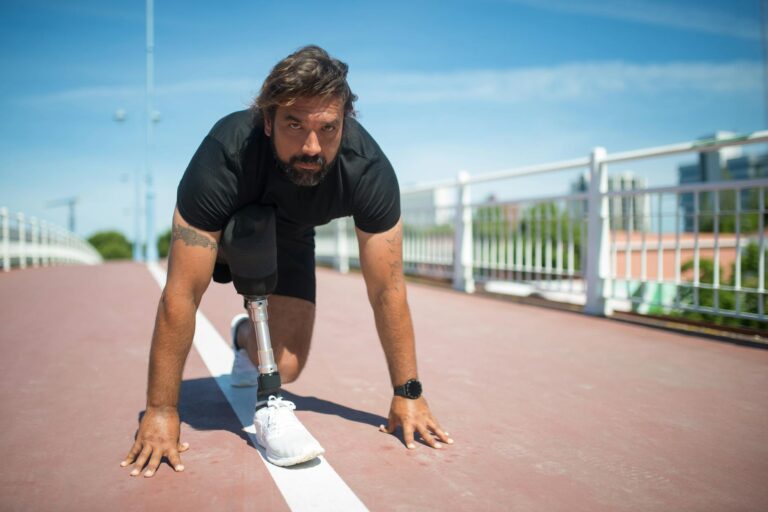
The fastest way to improve your long run time is to slow down on most of your runs and build weekly mileage gradually.

One hundred fifty minutes of weekly cardiovascular exercise represents the threshold where measurable health transformation begins.

Tracking weekly cardio minutes matters because it shifts your focus from arbitrary workout frequency to accumulated cardiovascular stress""the actual...

Weekly cardio minutes matter more than you think because they represent the cumulative stress signal that triggers your body's adaptive response""and...

The best long run training plan for beginners follows a simple framework: run three days per week, keep your long run to 20–30% of your total weekly...

Training for your first long run comes down to three non-negotiable principles: start slower than you think you should, increase your weekly distance by...

The best tempo run training schedule places one tempo session per week into a balanced rotation of speed work, long runs, and easy recovery days.

Recovering after a tempo run comes down to a few non-negotiable steps: a proper cooldown jog of five to ten minutes, rehydration within the first fifteen...

Skiing supports year-round cardio fitness by providing an intense cardiovascular workout that complements running and other endurance activities,...

Skiing transitions from moderate to vigorous-intensity exercise when your heart rate exceeds 77% of your maximum and stays there""something that happens...

Skiing counts as functional cardio because it demands sustained cardiovascular output while simultaneously requiring your body to stabilize, balance,...