
Running transforms more than your cardiovascular system because it fundamentally rewires how your brain processes stress, regulates mood, and approaches challenges in every area of life. The consistent practice of lacing up your shoes and logging miles creates neurological adaptations that improve focus at work, emotional resilience in relationships, and even the quality of your sleep””benefits that extend far beyond a lower resting heart rate or improved VO2 max. A software engineer in Seattle, for instance, might start running to lose weight but find six months later that her chronic anxiety has diminished, her problem-solving at work has sharpened, and she’s sleeping through the night for the first time in years.
This cascade of benefits occurs because running triggers the release of brain-derived neurotrophic factor (BDNF), reduces cortisol levels when practiced consistently, and builds what researchers call “stress inoculation”””the ability to remain calm under pressure because you’ve trained yourself to push through discomfort. These adaptations don’t stay compartmentalized in your running life; they bleed into everything you do. This article explores exactly how running creates these spillover effects, examining the science behind mood regulation, cognitive enhancement, and habit formation. You’ll learn why some runners experience these transformations more profoundly than others, common pitfalls that limit benefits, and practical steps to maximize running’s impact on your broader life.
Table of Contents
- How Does Running Reshape Your Brain Beyond Physical Fitness?
- The Ripple Effect: Why Fitness Habits Compound Into Life Changes
- Sleep, Stress, and Recovery: The Hidden Mechanisms
- Building Identity: When Running Becomes Who You Are
- Why Some Runners Don’t Experience These Benefits
- Social Connections Through Running
- How to Prepare
- How to Apply This
- Expert Tips
- Conclusion
- Frequently Asked Questions
How Does Running Reshape Your Brain Beyond Physical Fitness?
The brain changes that occur from consistent running rival those seen with antidepressant medication, but without the side effects or prescription requirements. Aerobic exercise increases hippocampal volume””the brain region responsible for memory and learning””by approximately 2% over one year, according to research published in the Proceedings of the National Academy of Sciences. This growth directly counteracts the natural shrinkage that occurs with aging, effectively making your brain younger while your body gets fitter. Beyond structural changes, running alters your neurochemistry in ways that persist long after you’ve showered and returned to your desk.
Regular runners show elevated baseline levels of serotonin and dopamine, the neurotransmitters responsible for mood stability and motivation. Compare this to someone who relies solely on caffeine for energy””they experience sharp spikes and crashes, while runners maintain steadier mental energy throughout the day because their neurochemical foundation has shifted. The practical result looks something like this: a middle manager who runs four times weekly reports handling difficult conversations with employees more calmly, not because she’s trying harder to be patient, but because her brain’s stress response has genuinely dampened. Her amygdala””the brain’s fear center””has literally shrunk while her prefrontal cortex has strengthened, giving rational thought more control over emotional reactions.

The Ripple Effect: Why Fitness Habits Compound Into Life Changes
Running creates what behavioral scientists call “keystone habits”””behaviors that naturally trigger improvements in seemingly unrelated areas. When someone commits to morning runs, they often find themselves eating better not because they decided to diet, but because a greasy breakfast feels terrible during a workout. They start sleeping earlier because exhausted bodies demand rest. They drink less alcohol because hangovers sabotage training. None of these changes requires separate willpower; they flow from the single decision to run consistently. This compounding effect explains why running often transforms people’s careers and relationships alongside their fitness.
The discipline required to complete a training plan””especially for longer distances””builds a mental muscle that transfers directly to professional projects. A first-time marathoner learns that consistent small efforts (daily miles) create results impossible through sporadic intense bursts, and that lesson reshapes how they approach everything from learning new skills to saving money. However, if you approach running purely as punishment for eating too much or a chore to check off, these psychological benefits diminish significantly. The transformative power depends partly on your relationship with the habit. Runners who frame their practice as self-care or personal development experience more robust spillover effects than those who view it as obligation. This is why forced exercise programs at workplaces often fail to produce the life-changing results that self-motivated running delivers.
Sleep, Stress, and Recovery: The Hidden Mechanisms
Running improves sleep quality through mechanisms that no sleep supplement can replicate. The physical fatigue from aerobic exercise increases slow-wave sleep””the deeply restorative phase when your body repairs tissue and consolidates memories. But more importantly, running regulates your circadian rhythm by exposing you to natural light (for outdoor runners) and creating clear energy expenditure signals that help your body distinguish between day and night. Consider the experience of a chronic insomniac who begins running. Initially, she might feel more tired during the day as her body adapts. But within three to four weeks, her sleep architecture reorganizes.
She falls asleep faster, wakes less frequently during the night, and feels more refreshed in the morning””not because running exhausts her into unconsciousness, but because it has recalibrated the hormonal systems governing her sleep-wake cycle. The stress reduction component works through a somewhat paradoxical mechanism. Running is itself a stressor””it elevates cortisol and activates your fight-or-flight response during the workout. But this controlled stress exposure teaches your nervous system to recover more quickly. Over time, runners develop greater heart rate variability, meaning their bodies shift more efficiently between stressed and relaxed states. This adaptation means the frustrations of daily life””traffic, demanding bosses, family conflicts””trigger smaller physiological responses and faster returns to baseline.

Building Identity: When Running Becomes Who You Are
The most profound transformation happens when running shifts from something you do to something you are. This identity-level change typically occurs between six months and two years of consistent practice, and it fundamentally alters decision-making. Someone who identifies as “a runner” doesn’t debate whether to exercise on a rainy Tuesday morning; the question doesn’t even arise because not running would conflict with their sense of self. This identity shift creates protective effects against relapse.
Compare two people who have both logged 500 miles: one sees herself as “someone trying to get in shape” while the other identifies as “a runner.” When life becomes stressful””a new baby, a job loss, a health scare””the first person will likely abandon exercise while the second will find ways to maintain some running, even if reduced. The habit has become part of her psychological architecture rather than an external behavior she performs. Building this identity requires more than just repetition. Joining running communities, participating in races (even small local ones), reading about running, and talking about running with others all accelerate the transition. A forty-five-year-old man who starts running alone may remain at the “behavior” level for years, while someone who joins a running club often develops runner identity within months because social reinforcement shapes self-concept far more powerfully than solitary practice.
Why Some Runners Don’t Experience These Benefits
Not everyone who runs regularly experiences the transformative spillover effects, and understanding why reveals important principles. The most common reason is excessive intensity. Runners who push too hard, too often””never allowing easy days, chasing PRs every workout””actually increase their chronic stress load rather than building stress resilience. They end up more anxious, sleep worse, and see their performance plateau, all because they’ve turned running into another source of pressure. Volume matters, but with diminishing returns that eventually turn negative. Research suggests that running 10-15 miles per week captures most of the psychological benefits, with modest additional gains up to about 30 miles weekly.
Beyond that, for recreational runners without professional aspirations, the additional stress can begin eroding benefits. A runner logging 60 miles weekly might actually experience worse mood regulation than one running 25 miles, particularly if that volume comes at the expense of sleep or recovery. Another limiting factor is running with constant distraction. While podcasts and music make miles more enjoyable, runners who never practice unplugged miss out on the meditative benefits of the sport. The mental clarity and emotional processing that many runners report depends partly on periods of running with just their thoughts. Those who always escape into audio entertainment receive cardiovascular benefits but forfeit the psychological integration time that running uniquely provides.
Social Connections Through Running
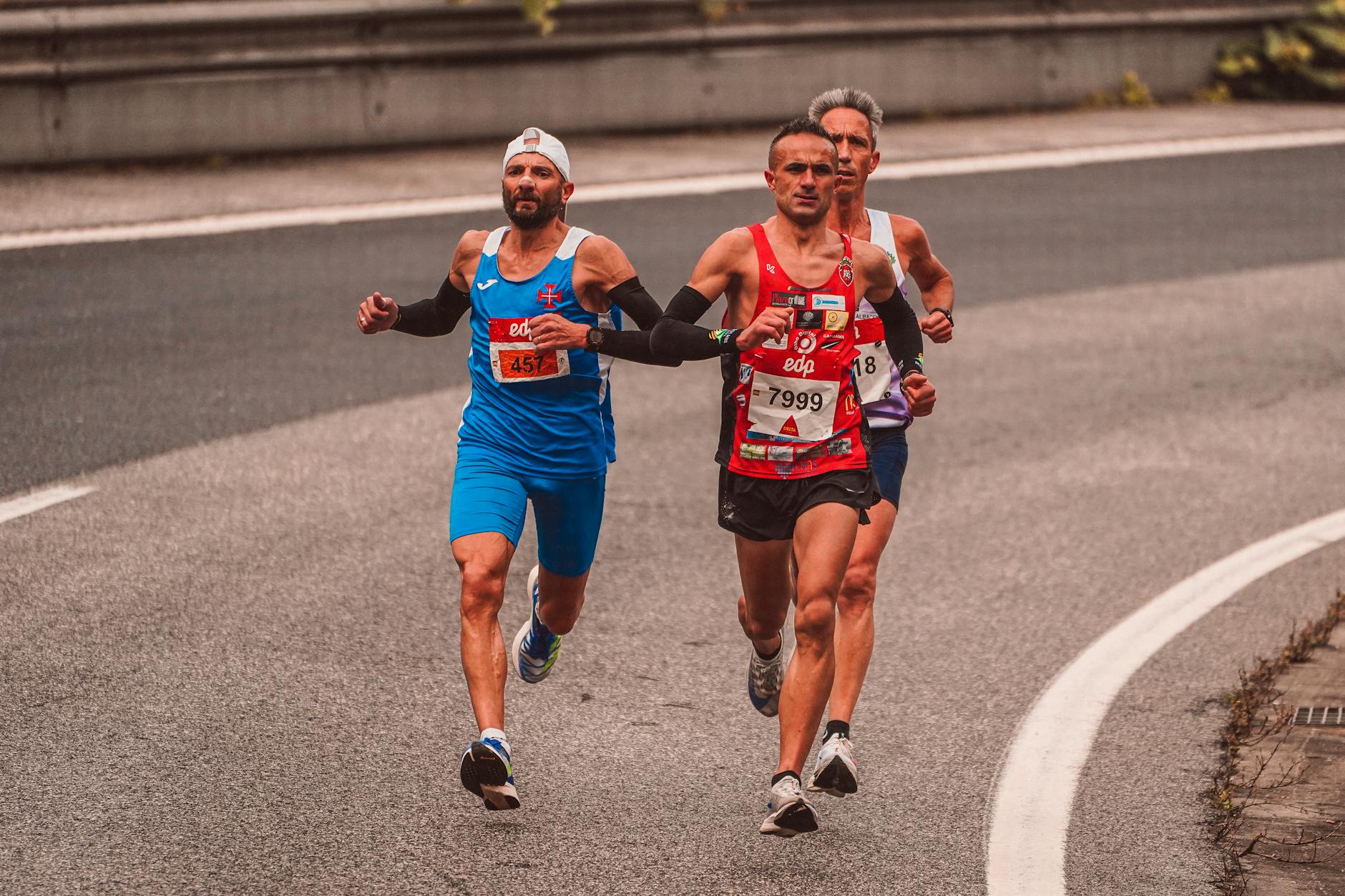
Running forges relationships with a quality difficult to find elsewhere in adult life. Something about sharing physical struggle creates bonds that skip past superficial interaction. Running partners often report conversations of unusual depth, perhaps because the side-by-side positioning removes eye contact pressure, or because the vulnerability of sweating and suffering together bypasses normal social defenses. A sixty-two-year-old widower who joined a local running group after his wife’s death describes his running friends as closer than colleagues he worked with for decades.
They showed up at his door when he missed a week of runs. They remembered his wife’s birthday. They included him in social events that had nothing to do with running. The habit of meeting three mornings weekly had created a community that functioned like extended family””something that gym memberships or other fitness classes rarely produce with the same consistency.
How to Prepare
- **Start with frequency over intensity.** Begin by running three to four times weekly, even if each session is only 15-20 minutes. The neurological benefits depend more on consistency than on any single workout’s duration or difficulty. Running twice a week rarely creates the brain changes that transform mood and cognition.
- **Choose a time and protect it fiercely.** Morning runners show higher adherence rates than evening runners, likely because fewer competing demands arise before 7 AM. Whatever time you select, treat it as non-negotiable as a work meeting with your most important client.
- **Find the minimum viable route.** Identify a running route you can complete in 20 minutes from your door and back. Eliminating decisions about where to run removes friction that leads to skipped days. Save exploration for days when motivation is high.
- **Build in one social run per week.** Even introverts benefit from running with others occasionally. Join a group, recruit a friend, or find a running partner through local running stores. This social component accelerates identity formation and provides accountability.
- **Prepare recovery support.** Stock your home with foam rollers, ensure your sleep environment supports recovery, and plan your post-run nutrition. Many beginners sabotage their progress by running consistently but neglecting everything else that allows the body to adapt.
How to Apply This
- **Schedule at least two runs weekly with nothing but your thoughts.** Leave headphones at home. This uncomfortable silence is where emotional processing and creative breakthroughs occur. Start with one silent run if this feels intolerable, then build.
- **Connect running to your values, not your vanity.** Write down why running matters beyond appearance or even health. Perhaps it models discipline for your children, proves you can commit to difficult things, or honors your body’s capacity for movement. Revisit this document when motivation wanes.
- **Track patterns beyond pace and distance.** Note your mood before and after runs, sleep quality, and productivity on running versus non-running days. This data reveals personal correlations that reinforce the habit and help you optimize timing and duration.
- **Create one running-dependent ritual.** Make something you enjoy contingent on running. Perhaps you only listen to your favorite podcast while running, or you only buy fancy coffee on running mornings. This pairs pleasure with the practice and creates anticipation.
Expert Tips
- Run your easy days genuinely easy””if you can’t hold a conversation, you’re going too fast for recovery benefits. Most recreational runners make most runs too hard, limiting both physical adaptation and psychological benefits.
- Don’t run through genuine pain, but do run through discomfort. Learning to distinguish between injury signals and mere reluctance is essential. When in doubt, walk for two minutes; if pain persists, stop.
- Schedule recovery weeks every fourth week where you reduce mileage by 30-40%. Consistent stress without periodic recovery leads to breakdown rather than adaptation, physically and mentally.
- Run in the morning if you struggle with consistency. Decision fatigue accumulates throughout the day, making evening runs vulnerable to cancellation. Morning runners show significantly higher long-term adherence.
- Avoid running immediately after a major life stressor pushes you toward it. If you’ve never run and suddenly want to start after a divorce or job loss, wait two weeks and see if the impulse persists. Starting during acute stress often leads to excessive intensity and rapid burnout.
Conclusion
Running’s power to transform extends far beyond cardiovascular improvement because the habit restructures your brain, rewires your stress response, improves your sleep architecture, and often catalyzes positive changes in nutrition, productivity, and relationships. These benefits aren’t metaphorical or motivational hype””they’re measurable neurological and hormonal adaptations that change how you experience daily life. The software engineer who finds her anxiety lifting, the widower who discovers unexpected community, the middle manager who suddenly handles conflict calmly””all represent the genuine spillover effects that consistent running produces.
To capture these transformative benefits, prioritize consistency over intensity, include unstructured thinking time during some runs, and pursue social connection through running communities. Avoid the trap of excessive volume or constant hard effort, which can actually increase stress rather than build resilience. With patience and practice, running becomes not just exercise but a foundational habit that quietly improves nearly every dimension of life.
Frequently Asked Questions
How long does it typically take to see results?
Results vary depending on individual circumstances, but most people begin to see meaningful progress within 4-8 weeks of consistent effort. Patience and persistence are key factors in achieving lasting outcomes.
Is this approach suitable for beginners?
Yes, this approach works well for beginners when implemented gradually. Starting with the fundamentals and building up over time leads to better long-term results than trying to do everything at once.
What are the most common mistakes to avoid?
The most common mistakes include rushing the process, skipping foundational steps, and failing to track progress. Taking a methodical approach and learning from both successes and setbacks leads to better outcomes.
How can I measure my progress effectively?
Set specific, measurable goals at the outset and track relevant metrics regularly. Keep a journal or log to document your journey, and periodically review your progress against your initial objectives.
When should I seek professional help?
Consider consulting a professional if you encounter persistent challenges, need specialized expertise, or want to accelerate your progress. Professional guidance can provide valuable insights and help you avoid costly mistakes.
What resources do you recommend for further learning?
Look for reputable sources in the field, including industry publications, expert blogs, and educational courses. Joining communities of practitioners can also provide valuable peer support and knowledge sharing.


