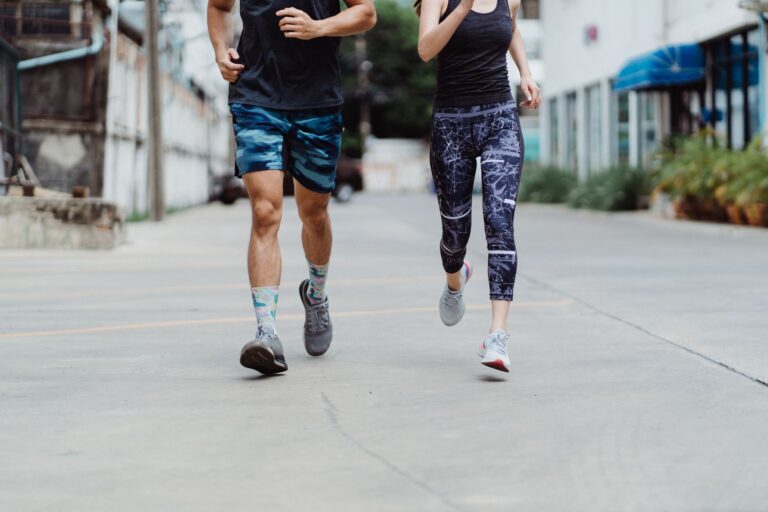
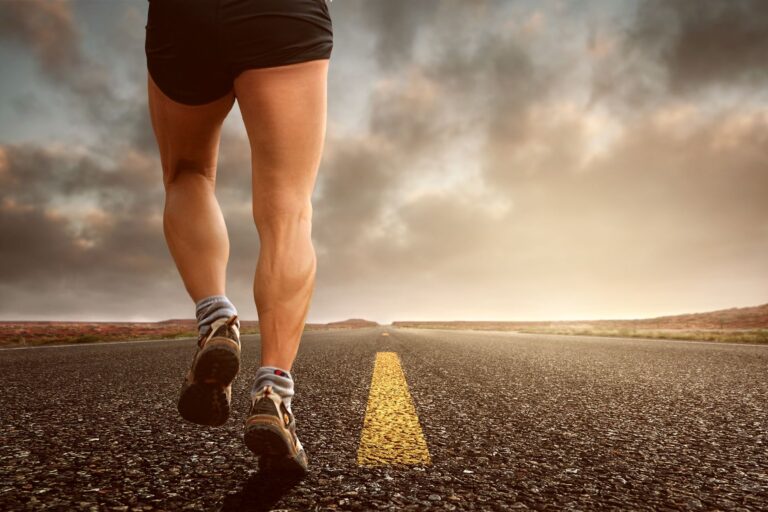
Shoe flexibility requirements differ significantly between indoor and outdoor running because the surfaces demand opposite things from your footwear. Indoor surfaces like treadmills, tracks, and gym floors are predictable, cushioned, and uniform, allowing shoes with greater forefoot flexibility to enhance natural foot movement and ground feel. Outdoor terrain, by contrast, requires shoes with more controlled flexibility””stiffer midsoles and reinforced structures that protect against rocks, roots, and uneven surfaces while still permitting adequate toe-off mechanics. A runner wearing highly flexible minimalist shoes on a rocky trail will experience foot fatigue and potential injury far sooner than someone in the same shoes on a rubberized indoor track. The practical application comes down to matching flexibility zones to your environment.
Indoor running shoes can prioritize flexibility in the forefoot and a lower stack height because impact forces are more consistent and the surface assists with energy return. Outdoor shoes need strategic stiffness””particularly in the midfoot for torsional stability and in the heel for landing control on unpredictable surfaces. A study from the Journal of Sports Sciences found that runners on irregular terrain experienced 23% more ankle instability in highly flexible shoes compared to moderately structured ones, while the same flexible shoes showed no instability increase on treadmills. This article explores why these differences matter for injury prevention and performance, how to evaluate flexibility in running shoes, the specific demands of various indoor and outdoor surfaces, and practical methods for testing whether your current shoes match your training environment. We’ll also address hybrid situations and how to build a rotation that covers both scenarios without breaking your budget.
Table of Contents
- Why Does Shoe Flexibility Affect Indoor and Outdoor Running Differently?
- Understanding Flexibility Zones in Running Shoes for Various Surfaces
- How Surface Hardness Interacts with Shoe Flexibility for Runners
- Selecting the Right Shoe Flexibility for Your Training Environment
- Common Problems with Mismatched Shoe Flexibility and Running Surfaces
- Flexibility Testing Methods for Evaluating Your Running Shoes
- How to Prepare
- How to Apply This
- Expert Tips
- Conclusion
- Frequently Asked Questions
Why Does Shoe Flexibility Affect Indoor and Outdoor Running Differently?
The fundamental difference lies in surface interaction and proprioceptive demands. Indoor surfaces””whether treadmill belts, wooden gym floors, or synthetic track material””provide consistent feedback with every footstrike. your nervous system can predict what’s coming, and your foot can move through its natural gait cycle without needing to make rapid adjustments. Flexible shoes excel here because they allow your foot’s intrinsic muscles to do more work, strengthening the arch and improving biomechanical efficiency over time. Outdoor running introduces variables that require the shoe to act as a protective intermediary.
A flexible shoe that bends easily at the forefoot will also transmit more force from sharp rocks directly into your foot. The same flexibility that feels liberating on a treadmill becomes a liability when you’re descending a gravel path and need the shoe to shield you from debris. Trail runners often describe this as the difference between “feeling the ground” and “feeling every single thing on the ground”””the latter being exhausting over long distances. Comparing two popular shoes illustrates this well: the Nike Free RN, designed with deep flex grooves for maximum flexibility, works beautifully for gym sessions and treadmill intervals but falls apart on technical trails where its lack of protection causes rapid foot fatigue. The Altra Lone Peak, moderately flexible but with a rock plate and firmer midsole, handles trails confidently but feels unnecessarily stiff and heavy for pure indoor work. Neither is wrong””they’re optimized for different demands.
Understanding Flexibility Zones in Running Shoes for Various Surfaces
Running shoe flexibility isn’t uniform across the sole; it’s engineered in specific zones that serve different purposes. The forefoot flex point””where the shoe bends during toe-off””is the most discussed, but midfoot torsional flexibility and heel stability are equally important. Indoor shoes can afford high forefoot flexibility and moderate torsional give because the surface doesn’t challenge lateral stability. outdoor shoes need controlled torsion to prevent ankle rolls on cambered or uneven terrain. Manufacturers measure flexibility using durometer ratings for foam hardness and standardized bend tests, but these numbers rarely appear on consumer packaging. What you can assess is the “bend test”: holding the heel and pressing the toe toward it.
A flexible indoor shoe will fold nearly in half with minimal resistance. A trail shoe will resist significantly, bending perhaps 30-40 degrees before the midsole structure stops further movement. Neither extreme is universally better””it depends entirely on where you run. However, if you run primarily on paved outdoor surfaces like sidewalks and asphalt, you exist in a middle zone where moderately flexible shoes work best. You don’t need the protection of aggressive trail shoes, but highly flexible shoes may not provide enough cushioning for hard surfaces over long distances. Road runners logging miles on concrete often develop plantar fascia issues in overly flexible shoes because the lack of structural support forces the arch to work overtime without adequate recovery.
How Surface Hardness Interacts with Shoe Flexibility for Runners
Surface hardness and shoe flexibility share an inverse relationship that many runners overlook. Soft surfaces like trails with leaf litter, grass, or rubberized tracks absorb impact energy, meaning your shoe needs less built-in cushioning and can be more flexible without increasing injury risk. Hard surfaces like concrete, pavement, or packed dirt require the shoe to do more impact absorption work, which typically comes from thicker, less flexible midsole foam. Indoor tracks present an interesting case study. A standard indoor track has a polyurethane surface over wood or concrete, providing moderate cushioning.
Runners who train exclusively indoors on these surfaces can often use more flexible shoes than their outdoor counterparts because the track assists with energy absorption. The Boston Indoor Track at the Reggie Lewis Center, for example, has a surface compliance that allows sprinters to use minimal shoes that would be punishing on outdoor concrete. Treadmills add another variable: belt cushioning. Most modern treadmills have deck suspension systems that reduce impact by 15-40% compared to outdoor pavement. This explains why many runners can tolerate more flexible, less cushioned shoes on treadmills without the joint pain they’d experience covering the same distance outdoors. If you’ve wondered why your minimal shoes feel fine at the gym but cause shin splints on the road, surface hardness interaction is likely the answer.

Selecting the Right Shoe Flexibility for Your Training Environment
Matching flexibility to environment requires honest assessment of where you actually train, not where you aspire to train. Runners who do 80% of their miles on treadmills but own aggressive trail shoes because they occasionally hike are misallocating their footwear investment. Start by logging where your last 20 runs occurred, then weight your shoe choices accordingly. For primarily indoor runners, prioritize forefoot flexibility and ground feel. Look for shoes with visible flex grooves, lower stack heights (under 28mm), and foam that compresses easily underfoot.
These shoes enhance proprioception and allow natural foot strengthening while the controlled indoor environment handles impact absorption. Examples include training flats, minimalist shoes, and gym-specific cross-trainers with running capability. The tradeoff appears when you occasionally venture outdoors. Highly flexible indoor shoes wear faster on abrasive outdoor surfaces””the soft compounds that feel great on treadmill belts get chewed up by asphalt. If you split time between environments, consider a moderate shoe that compromises slightly in both directions rather than a specialist that fails entirely in one. The Saucony Kinvara exemplifies this middle ground: flexible enough for treadmill work, structured enough for pavement, though still inadequate for serious trails.
Common Problems with Mismatched Shoe Flexibility and Running Surfaces
The most frequent mismatch injury involves wearing overly flexible shoes on hard outdoor surfaces, leading to plantar fasciitis, metatarsal stress reactions, and arch fatigue. The mechanism is straightforward: without structural support, the foot’s soft tissues must absorb and distribute forces they’re not conditioned to handle repeatedly. Runners transitioning from treadmills to outdoor marathon training often encounter this mid-cycle, developing pain that derails their preparation. The opposite mismatch””stiff outdoor shoes used indoors””causes different problems. Excessive structure on forgiving surfaces prevents natural foot motion, leading to compensatory patterns higher in the kinetic chain.
Hip and knee issues can develop when the foot can’t flex naturally because the shoe’s rigidity transfers movement demands upward. Indoor track coaches frequently see this in athletes who train in their trail shoes during winter: their mechanics suffer because the shoes fight against the surface rather than working with it. A critical warning: transitioning between flexibility levels should be gradual regardless of direction. Your foot musculature adapts to whatever support level you provide, and sudden changes invite injury. If you’ve spent months in structured outdoor shoes and suddenly switch to flexible indoor trainers, your intrinsic foot muscles will be deconditioned and vulnerable. Build volume slowly in new shoes””the common advice of 10% weekly mileage increase applies to footwear transitions as well.

Flexibility Testing Methods for Evaluating Your Running Shoes
Beyond the simple bend test, several at-home methods help evaluate whether your shoes match your intended surface. The twist test assesses torsional rigidity: grip the heel in one hand and the forefoot in the other, then twist in opposite directions. Indoor shoes should twist moderately; outdoor shoes should resist significantly. If your trail shoes twist as easily as a dishrag, they lack the lateral stability needed for uneven terrain. The “finger press” test checks midsole cushioning, which relates to flexibility. Press your thumb firmly into the midsole foam at the heel and forefoot.
For indoor use on cushioned surfaces, you want foam that compresses easily and springs back quickly. For outdoor use on hard surfaces, you need denser foam that compresses less readily but provides more impact protection. This isn’t about which is better””it’s about matching foam behavior to surface behavior. Running specialty stores offer gait analysis and often have both treadmills and outdoor test areas, allowing you to feel the same shoe in different environments. This real-world comparison is worth more than any spec sheet. Pay attention not to initial comfort but to how your foot feels after 5-10 minutes in each environment. Early fatigue or instability signals a mismatch that will compound over longer runs.
How to Prepare
- **Track your training locations for two weeks minimum.** Note the surface type for every run””treadmill, indoor track, paved road, gravel path, technical trail. Honest data prevents buying shoes you won’t use.
- **Evaluate your current shoes against your logged environments.** If you’re using stiff trail shoes primarily on treadmills, or flexible trainers primarily on rocky paths, you’ve identified a mismatch worth correcting.
- **Determine your flexibility tolerance through controlled testing.** Run 3-4 miles in different flexibility levels on your most common surface. Note any discomfort, instability, or excessive fatigue. Your foot’s feedback matters more than expert recommendations.
- **Consider your injury history.** Runners with previous plantar fascia or metatarsal injuries typically need more structure, even indoors. Those with hip or knee issues from rigid shoes may benefit from more flexibility on appropriate surfaces.
- **Set a budget that allows for at least two shoes if environments vary significantly.** A common mistake is buying one expensive compromise shoe that performs mediocrely everywhere rather than two moderately priced specialists that excel in their intended domains.
How to Apply This
- **Match your most-worn shoe to your most-frequent surface.** The shoe you reach for most often should be optimized for where you run most often. Obvious but frequently ignored when runners prioritize aspirational purchases over practical ones.
- **Introduce new flexibility levels progressively over 3-4 weeks.** Start with short, easy runs in new shoes, gradually building to longer efforts. Your feet need adaptation time regardless of how appropriate the new flexibility level is for your surfaces.
- **Rotate based on scheduled surface, not convenience.** Check your training plan the night before and set out the appropriate shoes. Grabbing whatever’s by the door leads to mismatches that accumulate stress over a training cycle.
- **Reassess every 300-400 miles.** Shoe flexibility changes with wear””midsoles compress, outsoles thin, and flex points soften. What started as a moderate outdoor shoe may become inappropriately flexible after months of use. Test flexibility periodically and replace before characteristics shift too far.
Expert Tips
- Test flexibility at the store by mimicking your running foot strike, not just bending the shoe with your hands. How it flexes under your body weight matters more than how it feels in your grip.
- Do not transition to highly flexible shoes if you’re returning from injury, even for indoor use. Rebuild your foot strength in moderate shoes first, then gradually decrease structure once you’ve established a pain-free base.
- For runners who split time evenly between treadmill and road, consider owning the same model in two conditions””one new for outdoor pavement wear, one with 200+ miles for indoor use where the softened midsole becomes a feature rather than a liability.
- Pay attention to temperature effects on flexibility. Shoe foam stiffens in cold weather and softens in heat. Your flexible indoor shoes may feel appropriately protective on a frigid outdoor run, but that’s environmental, not structural, and they’ll lose stiffness as they warm up.
- Replace indoor shoes less frequently by mileage but more frequently by time. The cushioned surfaces cause less physical wear, but foam degrades chemically regardless of use. Indoor shoes used exclusively on treadmills often retain appearance while losing functional flexibility characteristics.
Conclusion
Shoe flexibility serves different purposes depending on where you run. Indoor environments with consistent, cushioned surfaces allow and even reward higher flexibility that promotes natural foot mechanics and strengthens intrinsic muscles. Outdoor environments demand controlled flexibility that protects against variable terrain while maintaining adequate toe-off function.
Neither approach is superior””they’re specialized responses to different challenges. Practical application requires honest assessment of your training environment, willingness to own appropriate shoes for your actual running rather than your idealized version, and gradual transition when changing flexibility levels. The runner who matches shoe characteristics to surface characteristics will experience fewer injuries, more comfortable training, and likely better performance than one who uses the same shoe everywhere regardless of fit. Start by evaluating where you’ve actually run over the past month, test your current shoes against those demands, and make informed adjustments based on real data rather than marketing or aspiration.
Frequently Asked Questions
How long does it typically take to see results?
Results vary depending on individual circumstances, but most people begin to see meaningful progress within 4-8 weeks of consistent effort. Patience and persistence are key factors in achieving lasting outcomes.
Is this approach suitable for beginners?
Yes, this approach works well for beginners when implemented gradually. Starting with the fundamentals and building up over time leads to better long-term results than trying to do everything at once.
What are the most common mistakes to avoid?
The most common mistakes include rushing the process, skipping foundational steps, and failing to track progress. Taking a methodical approach and learning from both successes and setbacks leads to better outcomes.
How can I measure my progress effectively?
Set specific, measurable goals at the outset and track relevant metrics regularly. Keep a journal or log to document your journey, and periodically review your progress against your initial objectives.
When should I seek professional help?
Consider consulting a professional if you encounter persistent challenges, need specialized expertise, or want to accelerate your progress. Professional guidance can provide valuable insights and help you avoid costly mistakes.
What resources do you recommend for further learning?
Look for reputable sources in the field, including industry publications, expert blogs, and educational courses. Joining communities of practitioners can also provide valuable peer support and knowledge sharing.