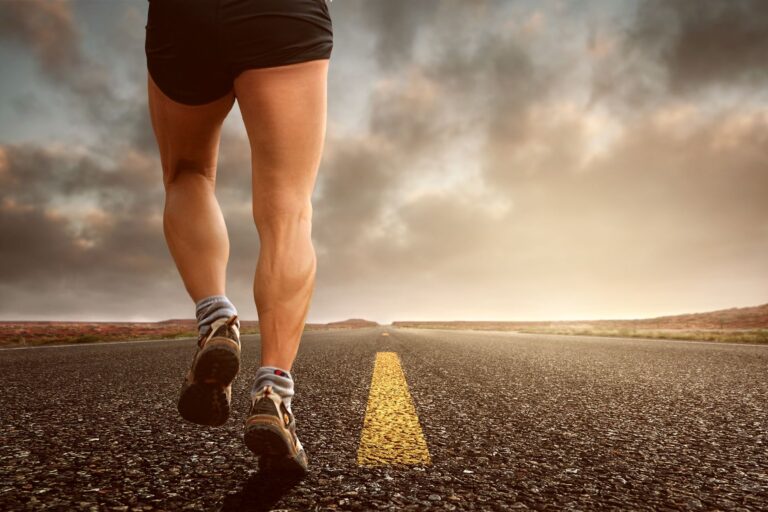
Yes, you can use trail shoes on a treadmill, but it’s generally not the ideal choice. Trail shoes are designed with aggressive lugs, stiffer midsoles, and protective features meant for uneven outdoor terrain””none of which translate to benefits on a flat, cushioned treadmill belt. That said, using them occasionally won’t damage your treadmill or cause injury; it’s simply not optimal for comfort or performance.
For example, if you’re breaking in a new pair of trail shoes before a weekend race and want to log some easy miles, a short treadmill session can help soften the midsole without risking a twisted ankle on unfamiliar trails. This article covers everything you need to know about running in trail shoes on a treadmill, including how the shoe design affects your stride, when it might actually make sense to use them indoors, and what to watch for if you decide to do it anyway. We’ll also explore the differences between trail and road shoes, practical tips for transitioning between surfaces, and common mistakes that can lead to discomfort or premature wear.
Table of Contents
- What Happens When You Wear Trail Shoes on a Treadmill?
- Trail Shoes vs. Road Shoes: Key Differences on Indoor Surfaces
- When Using Trail Shoes on a Treadmill Actually Makes Sense
- How Trail Shoe Design Affects Your Treadmill Running Form
- Potential Issues With Long-Term Treadmill Use in Trail Shoes
- Choosing the Right Shoe for Mixed Training Schedules
- How to Prepare
- How to Apply This
- Expert Tips
- Conclusion
- Frequently Asked Questions
What Happens When You Wear Trail Shoes on a Treadmill?
Trail shoes behave differently on a treadmill belt compared to road or gym-specific running shoes. The deep lugs designed to grip mud, rocks, and roots don’t have any terrain to bite into, which can create an unstable or “mushy” feeling underfoot. Some runners describe it as walking on thick carpet with cleats””the lugs compress unevenly, reducing the ground feedback you’d normally feel. The stiffer construction of most trail shoes also changes your foot strike pattern. Where a treadmill encourages a smooth, repetitive gait, trail shoes are built for adapting to variable surfaces.
This mismatch can cause subtle inefficiencies in your stride, leading to faster fatigue during longer sessions. A 2019 study from the Journal of Sports Sciences found that runners expend approximately 3-5% more energy when wearing shoes not matched to their surface, which adds up over an hour-long run. However, the treadmill belt itself won’t be damaged by trail shoe lugs. Modern treadmill belts are designed to withstand significant wear, and rubber lugs are far softer than the abrasive materials the belt encounters from normal use. The primary concern is your own comfort and running economy, not equipment damage.

Trail Shoes vs. Road Shoes: Key Differences on Indoor Surfaces
The fundamental difference comes down to purpose. road running shoes prioritize cushioning, flexibility, and lightweight construction for repetitive impact on hard, flat surfaces. Trail shoes sacrifice some of that cushioning for protection, stability, and grip on unpredictable terrain. On a treadmill””which is essentially a controlled, uniform road surface””road shoes have the advantage. Cushioning systems differ significantly between the two categories.
Road shoes often feature softer foams like Nike ZoomX or Saucony PWRRUN+, designed to absorb impact over thousands of identical footstrikes. Trail shoes typically use firmer, denser foams that resist compression from rocks and roots. On a treadmill, this means trail shoes may feel harsh during runs longer than 30-45 minutes, particularly if you’re a heavier runner or heel striker. One exception worth noting: if your trail shoes are from a “hybrid” category””like the Nike Pegasus Trail or Brooks Catamount””they’re designed to handle both surfaces reasonably well. These crossover models use moderate lug depth and more versatile cushioning, making them acceptable treadmill options when needed.
When Using Trail Shoes on a Treadmill Actually Makes Sense
There are specific scenarios where running in trail shoes indoors is a practical choice rather than a compromise. Breaking in new shoes before a race is the most common reason. Trail shoes often require 20-50 miles before the midsole fully conforms to your foot mechanics, and logging some of those miles on a treadmill””where there’s no risk of trail hazards””can accelerate the process safely. Another valid use case is incline training.
If you’re preparing for a mountainous ultramarathon or steep trail race, treadmill incline walking or running at 10-15% grade in your race shoes helps your feet adapt to the specific pressure points created by sustained climbing. This is particularly useful for testing how the shoe’s heel counter and lacing system perform during extended uphill efforts. However, if your goal is general fitness or treadmill-specific training, there’s no advantage to wearing trail shoes. You’re adding unnecessary weight (trail shoes typically weigh 1-3 ounces more than comparable road models) and sacrificing comfort without any corresponding benefit. Save the trail shoes for actual trails.
How Trail Shoe Design Affects Your Treadmill Running Form
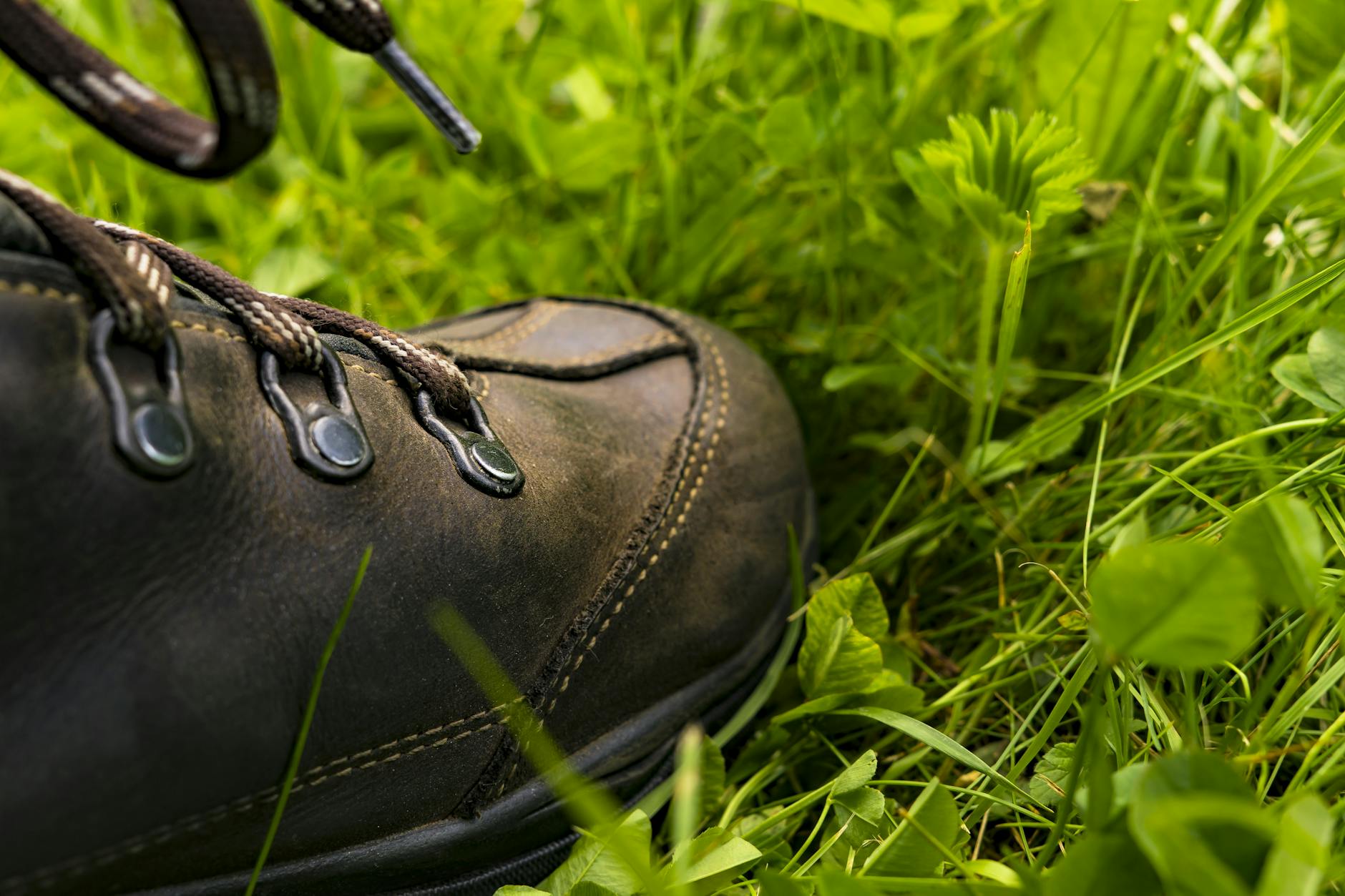
The rock plate found in most trail shoes””a thin, rigid layer between the midsole and outsole””significantly changes how your foot interacts with the treadmill. This plate, designed to prevent bruising from sharp rocks, reduces the natural flex of your foot during toe-off. On trails, this protection is worth the tradeoff. On a treadmill, it simply makes your stride less efficient. Lug patterns also influence your gait.
Aggressive lugs (5mm or deeper) can catch on the treadmill belt during certain phases of your stride, creating micro-hesitations that disrupt your rhythm. This is most noticeable at slower speeds below 6 mph, where your foot spends more time in contact with the belt. Faster running minimizes this issue because ground contact time decreases. Runners who regularly alternate between trail and road surfaces should pay attention to their cadence on the treadmill. Many find that trail shoes encourage a slightly lower cadence due to the stiffer platform, which can lead to overstriding. Consciously maintaining your normal cadence (typically 170-180 steps per minute for most recreational runners) helps counteract this tendency.
Potential Issues With Long-Term Treadmill Use in Trail Shoes
Extended treadmill running in trail shoes can accelerate wear in unexpected ways. The lugs, designed to flex and grip variable terrain, experience unnatural stress patterns on the uniform treadmill belt. Over hundreds of miles, this can cause the lugs to wear flat or develop uneven patches, reducing their effectiveness when you return to actual trails. Joint stress is another consideration. The firmer midsole and reduced flexibility of trail shoes transfer more impact force to your ankles, knees, and hips.
On trails, this is offset by softer natural surfaces and the variable loading patterns of uneven terrain. The treadmill’s consistent, repetitive impact removes these natural shock absorbers. Runners with a history of stress fractures or joint issues should be particularly cautious about logging high mileage on treadmills in trail footwear. Temperature also plays a role that many runners overlook. Trail shoes often feature more robust overlays and less mesh ventilation to protect against debris. In the warm, still air typical of indoor training environments, this can lead to excessive foot sweating, blisters, and general discomfort during runs longer than 45 minutes.
Choosing the Right Shoe for Mixed Training Schedules
Runners who split time between trails and treadmills face a practical dilemma: maintaining multiple pairs of specialized shoes or compromising with versatile options. For most recreational runners covering 20-40 miles per week, owning one pair of trail shoes and one pair of road/treadmill shoes provides the best balance of performance and value.
The hybrid shoe category offers a middle-ground solution for runners who dislike switching footwear constantly. Models like the Hoka Speedgoat GTX or Salomon Sense Ride provide enough traction for moderate trails while remaining comfortable on pavement and treadmills. The tradeoff is that they don’t excel at either extreme””you won’t want them for technical mountain terrain or speed workouts on the treadmill, but they handle everything in between competently.
How to Prepare
- **Clean the lugs thoroughly before stepping on the belt.** Trail shoes carry dirt, mud, and small debris that can scratch treadmill surfaces and contaminate the belt mechanism. Use a stiff brush to remove packed material from between the lugs.
- **Start with a shorter session than your normal treadmill run.** The first time you use trail shoes indoors, limit yourself to 20-30 minutes to assess how your body responds to the different cushioning and stability characteristics.
- **Increase the incline slightly.** Setting the treadmill to 1-2% grade better simulates outdoor conditions and can reduce the awkward feeling of aggressive lugs on a flat belt.
- **Wear moisture-wicking socks designed for trail running.** These tend to be thicker and more protective, matching the fit of trail shoes better than thin road-running socks.
- **Check the lug depth before each session.** Worn or damaged lugs can create unpredictable traction issues. If your trail shoes are nearing the end of their lifespan, save them for less demanding trail hikes rather than treadmill training.
How to Apply This
- **Reserve trail shoes for specific treadmill workouts only.** Use them for incline sessions, break-in runs, or race-simulation efforts where wearing your actual trail footwear provides value. Default to road shoes for general treadmill training.
- **Track mileage separately on each surface.** Trail shoes used frequently on treadmills will wear differently and may need replacement sooner than shoes used exclusively on trails. Logging surface-specific mileage helps you anticipate when performance degradation becomes an issue.
- **Adjust your expectations for pace and effort.** You’ll likely run 10-20 seconds per mile slower at the same perceived effort when wearing trail shoes on a treadmill. Don’t force pace targets designed for road shoes””focus on time and effort instead.
- **Rotate between trail and road shoes during the same training week.** This prevents your feet from becoming overly adapted to one shoe type and maintains flexibility and proprioception across different platforms.
Expert Tips
- Use your oldest trail shoes for treadmill break-in sessions of new trail shoes””the familiar pair provides a reference point for how the new shoes should eventually feel.
- Don’t use trail shoes on the treadmill if you’re recovering from an Achilles injury; the stiffer drop and reduced flexibility can aggravate healing tissue.
- Spray the outsoles with a light coat of water before treadmill runs to reduce the “sticky” feeling aggressive lugs sometimes create on dry belt surfaces.
- Save technical trail shoes with very deep lugs (6mm+) for outdoor use only””the performance penalty on treadmills simply isn’t worth the wear.
- Consider treadmill sessions in trail shoes as skill work rather than pure cardio””focus on maintaining good form rather than chasing distance or speed goals.
Conclusion
Running in trail shoes on a treadmill is perfectly safe but rarely optimal. The aggressive traction, stiff construction, and protective features that make trail shoes excellent on rugged outdoor terrain become unnecessary weight and discomfort on a smooth, cushioned treadmill belt. For occasional use””particularly breaking in new shoes or training on steep inclines””trail shoes work fine.
For regular treadmill training, road-specific shoes remain the better choice. The most practical approach for runners who train on multiple surfaces is maintaining separate footwear for each environment. This preserves the performance characteristics of your trail shoes for when you actually need them while ensuring comfortable, efficient treadmill sessions in appropriately designed footwear. If budget or storage space limits you to one pair, hybrid trail-road models offer acceptable performance across both surfaces without excelling at either.
Frequently Asked Questions
How long does it typically take to see results?
Results vary depending on individual circumstances, but most people begin to see meaningful progress within 4-8 weeks of consistent effort. Patience and persistence are key factors in achieving lasting outcomes.
Is this approach suitable for beginners?
Yes, this approach works well for beginners when implemented gradually. Starting with the fundamentals and building up over time leads to better long-term results than trying to do everything at once.
What are the most common mistakes to avoid?
The most common mistakes include rushing the process, skipping foundational steps, and failing to track progress. Taking a methodical approach and learning from both successes and setbacks leads to better outcomes.
How can I measure my progress effectively?
Set specific, measurable goals at the outset and track relevant metrics regularly. Keep a journal or log to document your journey, and periodically review your progress against your initial objectives.
When should I seek professional help?
Consider consulting a professional if you encounter persistent challenges, need specialized expertise, or want to accelerate your progress. Professional guidance can provide valuable insights and help you avoid costly mistakes.
What resources do you recommend for further learning?
Look for reputable sources in the field, including industry publications, expert blogs, and educational courses. Joining communities of practitioners can also provide valuable peer support and knowledge sharing.