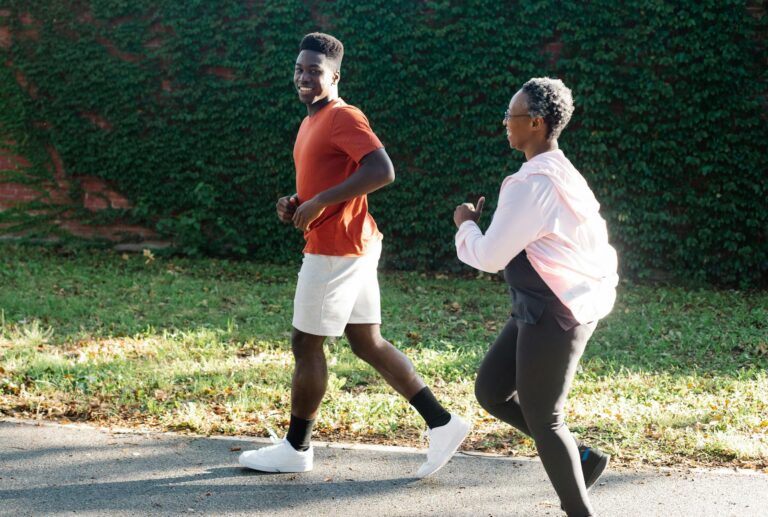
Yes, tennis, soccer, and basketball absolutely count as cardiovascular exercise, and for many people, they deliver a more effective cardio workout than steady-state running. A recreational singles tennis match burns approximately 400 to 600 calories per hour while pushing your heart rate into aerobic and anaerobic zones repeatedly, which mirrors the benefits of interval training. Soccer and basketball offer similar profiles, with the added advantage of being so engaging that you often exercise longer than you would during a solo jog around the neighborhood. The key distinction is that these sports provide what exercise physiologists call intermittent cardiovascular training.
Unlike running at a constant pace, you experience repeated bursts of high-intensity effort followed by brief recovery periods. A pickup basketball game, for example, might have you sprinting down the court, then walking during a free throw, then shuffling defensively at moderate intensity. This pattern closely resembles high-intensity interval training, which research consistently shows improves VO2 max and cardiovascular efficiency at least as effectively as traditional endurance exercise. This article examines how each sport stacks up as a cardio substitute, what the research says about their effectiveness, how to structure your week when using sports instead of dedicated cardio sessions, and where these activities fall short. You’ll also find practical preparation steps and expert guidance on avoiding the common mistakes that turn recreational sports into injury risks rather than fitness tools.
Table of Contents
- How Much Cardio Credit Do Tennis, Soccer, and Basketball Actually Provide?
- The Science Behind Intermittent Sports and Heart Health
- Comparing Calorie Burn and Intensity Across All Three Sports
- Building a Weekly Fitness Plan That Includes Sports
- Injury Risks and Recovery Considerations
- Tracking Progress Without Traditional Running Metrics
- How to Prepare
- How to Apply This
- Expert Tips
- Conclusion
- Frequently Asked Questions
How Much Cardio Credit Do Tennis, Soccer, and Basketball Actually Provide?
The cardiovascular value of any activity depends on three factors: heart rate elevation, duration, and consistency. Tennis, soccer, and basketball all score well on intensity but vary significantly in how much actual movement you get per session. A competitive singles tennis match keeps you moving almost constantly, with average heart rates typically reaching 70 to 85 percent of maximum during rallies. Doubles tennis, however, involves substantially less movement and might only qualify as moderate-intensity exercise. Soccer provides perhaps the most running-like cardiovascular stimulus of the three sports. Field players in recreational games cover between 3 and 6 miles per match, depending on position and game intensity.
Midfielders tend toward the higher end of that range, while goalkeepers obviously get far less cardiovascular benefit. A 2019 study published in the Scandinavian Journal of Medicine and Science in Sports found that recreational soccer players showed improvements in VO2 max comparable to those seen in running programs of similar duration and frequency. Basketball falls somewhere between tennis and soccer. Full-court games demand repeated sprinting and provide excellent interval-style training, but half-court pickup games involve considerably less running. If you’re playing half-court with frequent substitutions, you might only accumulate 15 to 20 minutes of actual cardiovascular work during an hour at the gym. The sport still counts, but you should be honest about the actual intensity and duration of your movement.

The Science Behind Intermittent Sports and Heart Health
Research increasingly supports intermittent activity as equal or superior to steady-state cardio for several health markers. A landmark Danish study followed sedentary men who took up either recreational soccer or continuous jogging three times per week. After 12 weeks, both groups showed similar improvements in VO2 max, but the soccer group demonstrated greater improvements in muscle mass and bone density. The stop-and-go nature of sport appears to provide additional metabolic benefits beyond pure cardiovascular conditioning. However, this research comes with important caveats. Most studies examine people who play at moderate to high intensity for extended periods.
If your tennis game involves more socializing than sweating, or if your basketball sessions feature long breaks between games, the cardiovascular benefits diminish substantially. The research also typically involves younger, relatively healthy participants. Older adults or those with existing cardiovascular conditions may not experience the same benefits and face higher injury risks from explosive movements. The metabolic demands of these sports also differ from running in ways that matter for specific fitness goals. Running develops efficient, economical movement patterns and excels at building pure aerobic endurance. Sports require more anaerobic capacity and develop different movement skills. Neither approach is objectively better, but if you’re training for a marathon, basketball twice weekly won’t provide the specific endurance adaptations you need.
Comparing Calorie Burn and Intensity Across All Three Sports
Calorie expenditure varies widely based on body weight, effort level, and game format, but general comparisons help set expectations. A 160-pound person playing singles tennis burns roughly 580 calories per hour, while the same person playing full-court basketball burns approximately 580 to 650 calories. Soccer falls in a similar range at 550 to 700 calories per hour for recreational play. These figures compare favorably to running at a 10-minute-mile pace, which burns about 600 calories per hour for the same individual. Tennis offers the most predictable workout intensity because you control whether you play singles or doubles and can seek out partners of similar ability. The downside is equipment and court access requirements.
Basketball provides the most accessible entry point since public courts exist in most communities, but game quality and intensity depend entirely on who shows up. You might get an excellent workout one day and barely break a sweat the next. Soccer requires the most participants to play a proper game, making it logistically challenging for spontaneous exercise. For pure cardiovascular efficiency, running still wins on one important metric: time. A 30-minute run delivers 30 minutes of cardiovascular work. An hour of recreational sports might only include 35 to 45 minutes of actual movement once you account for breaks, substitutions, and downtime. If your schedule is tight, running provides a more concentrated cardiovascular stimulus.

Building a Weekly Fitness Plan That Includes Sports
The American Heart Association recommends 150 minutes of moderate-intensity or 75 minutes of vigorous-intensity aerobic activity weekly. A single competitive tennis match or full-court basketball session typically provides 60 to 90 minutes of moderate-to-vigorous activity, meaning two sessions per week can meet the baseline recommendation. Adding a third session provides a comfortable margin and allows for games that end up being less intense than anticipated. Consider how sports fit into a broader training plan rather than treating them as complete replacements for all cardio. A balanced approach might include two sports sessions for cardiovascular work plus one or two shorter runs or cycling sessions for consistency.
This structure ensures you maintain aerobic fitness even during weeks when games get canceled or you can’t find playing partners. It also keeps your body adapted to sustained activity, which matters if you ever want to complete an endurance event. The tradeoff involves recovery and injury management. Sports involve lateral movements, jumping, and sudden direction changes that stress joints differently than running. Adding too many high-impact activities can lead to overuse injuries, particularly in the knees and ankles. Many recreational athletes find that two intense sports sessions per week represents a sustainable maximum, with lower-impact activities filling the remaining cardio requirements.
Injury Risks and Recovery Considerations
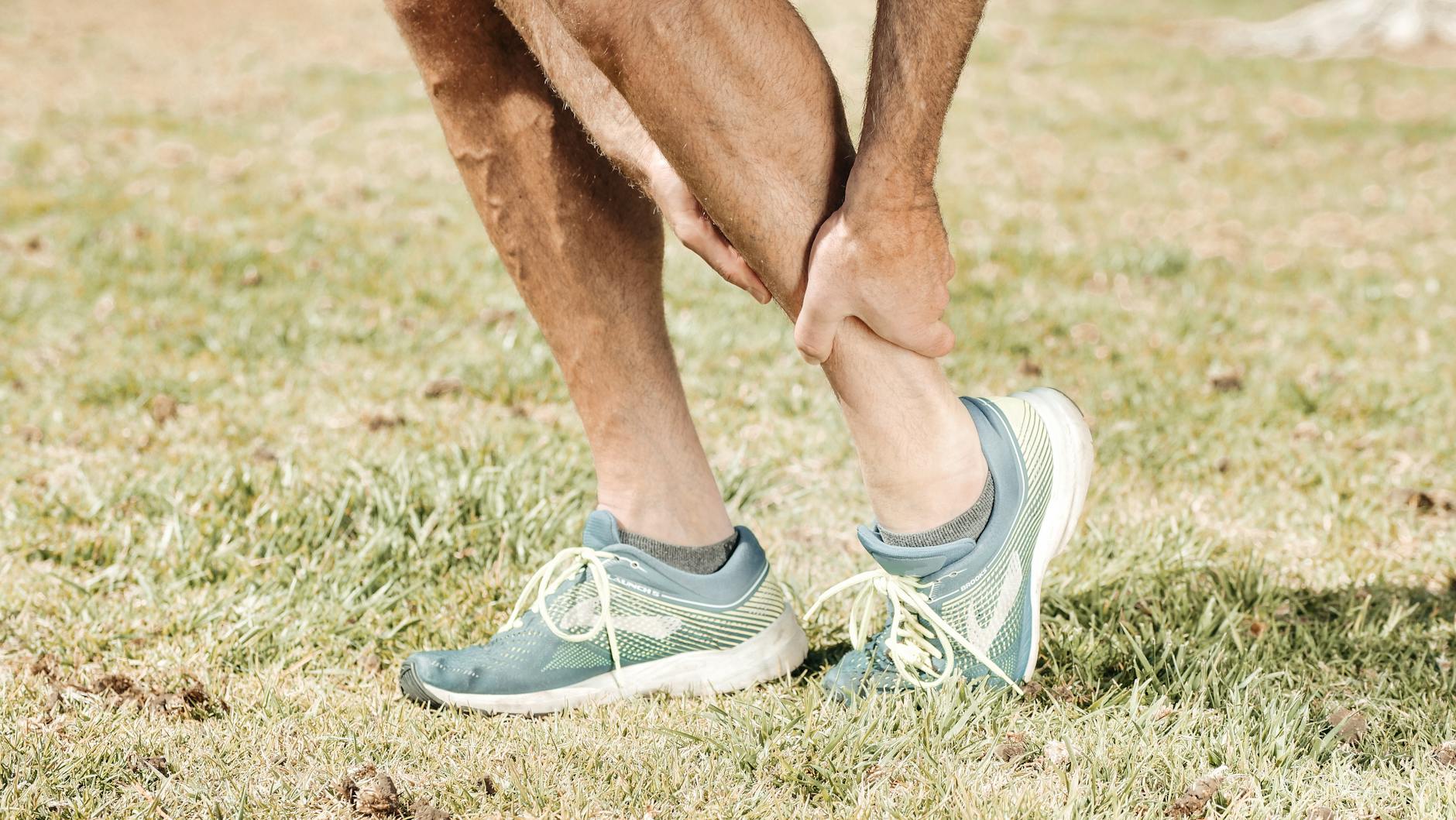
Playing recreational sports as a primary cardio source carries injury risks that steady-state running does not. Basketball leads to more acute injuries than almost any recreational activity, with ankle sprains being particularly common. Tennis produces high rates of shoulder and elbow problems in addition to the famous tendinitis that bears the sport’s name. Soccer combines both acute injury risk from contact and chronic issues from repetitive kicking motions. Most sports injuries occur in the first 15 minutes before muscles warm up properly and in the final portion of games when fatigue reduces coordination and reaction time.
Players over 35 face substantially higher injury rates than younger participants, and those who only play sporadically without maintaining baseline fitness between sessions have the highest risk of all. The weekend warrior who plays hard on Saturday without conditioning during the week represents the stereotypical orthopedic patient. Injury prevention requires honest self-assessment. If you haven’t played basketball in six months, your first session back shouldn’t be a competitive full-court game. Build up gradually, maintain flexibility and strength training between sessions, and recognize that the explosive movements in sports require preparation that steady running does not. When injuries do occur, they typically sideline you from all cardiovascular activity, not just the sport itself.
Tracking Progress Without Traditional Running Metrics
Standard running metrics like pace and distance don’t translate directly to sports, which can make it difficult to track cardiovascular fitness improvements. Heart rate monitoring offers the most useful alternative. Wearing a heart rate monitor during games provides data on time spent in various heart rate zones and allows comparison across sessions. Over time, you should see lower average heart rates for similar perceived exertion levels, indicating improved cardiovascular efficiency.
Another practical approach involves periodic running tests even if you don’t run regularly. A monthly one-mile time trial or a simple measure of resting heart rate provides objective fitness markers. Many recreational athletes are surprised to find their sport-only training produces solid running performance despite minimal actual running. A basketball player who hasn’t run in months might discover they can still complete a 5K at a reasonable pace because the cardiovascular adaptations transfer across activities.
How to Prepare
- **Establish baseline fitness first.** Spend two to four weeks doing general cardiovascular activity like walking, light jogging, or cycling before jumping into intense sports. Arriving at your first basketball game already winded makes injury more likely and reduces the workout quality.
- **Invest in appropriate footwear.** Each sport requires specific shoes designed for its movement patterns. Tennis shoes provide lateral support that running shoes lack. Basketball shoes offer ankle stability. Playing any sport in running shoes significantly increases injury risk.
- **Develop a dynamic warm-up routine.** Static stretching before sports is outdated advice. Instead, perform 10 minutes of dynamic movements like leg swings, lunges, and light jogging before play begins. This preparation matters more for intermittent sports than for steady running.
- **Find consistent playing partners or groups.** The biggest obstacle to using sports as cardio is reliability. Identify multiple playing groups or partners so you always have a backup when schedules conflict.
- **Start with less competitive environments.** Recreational leagues and casual pickup games allow you to control intensity while building sport-specific fitness. Warning: jumping directly into competitive leagues without preparation is how most recreational sports injuries happen.
How to Apply This
- **Schedule sports sessions as non-negotiable appointments.** Treat your Tuesday tennis match or Thursday basketball game with the same commitment you’d give a work meeting. The social nature of sports means canceling affects others, which can actually improve consistency compared to solo exercise.
- **Track actual playing time honestly.** After each session, note approximately how many minutes you spent in active movement. This prevents overestimating your cardiovascular work and helps you determine whether supplemental cardio is necessary.
- **Maintain at least one non-sport cardio option.** Keep access to a running route, gym, or cycling setup for weeks when sports don’t happen. This backup prevents fitness losses during inevitable scheduling disruptions.
- **Plan recovery appropriately.** Avoid scheduling intense sports on consecutive days, especially when starting out. The varied movement patterns require more recovery than similar-duration runs, and inadequate recovery leads to the overuse injuries that sideline recreational athletes.
Expert Tips
- Monitor your resting heart rate weekly as a simple fitness indicator. A gradually decreasing resting heart rate suggests your cardiovascular system is adapting positively to your sports-based training.
- Don’t count warm-up time or time spent waiting for courts as exercise. Be honest about actual movement duration when evaluating whether you need additional cardio sessions.
- Combine sports with at least one session of sustained, steady-state cardio weekly. This maintains your aerobic base and provides insurance against weeks when games don’t materialize.
- Avoid playing through minor injuries. A slight ankle tweak becomes a serious sprain when you keep playing on it, potentially sidelining you for weeks instead of days.
- Recognize when sports stop serving your fitness goals. If you’ve advanced to highly competitive levels where winning matters more than exercise, you may be resting more and playing less, actually reducing the cardiovascular benefit.
Conclusion
Tennis, soccer, and basketball provide legitimate cardiovascular exercise that can replace or supplement traditional running. The intermittent, high-intensity nature of these sports develops both aerobic and anaerobic fitness while offering social engagement and skill development that make exercise more sustainable for many people. Research supports their effectiveness for improving VO2 max, reducing cardiovascular disease risk factors, and maintaining healthy body composition.
The practical considerations require honest assessment. These sports deliver cardiovascular benefits only when played at sufficient intensity and duration, and they carry injury risks that steady running does not. A sustainable approach typically involves two quality sports sessions weekly plus supplemental lower-impact cardio, along with appropriate strength training and recovery practices. Those who manage these factors effectively can build excellent cardiovascular fitness while enjoying the games they love rather than grinding through workouts they dread.
Frequently Asked Questions
How long does it typically take to see results?
Results vary depending on individual circumstances, but most people begin to see meaningful progress within 4-8 weeks of consistent effort. Patience and persistence are key factors in achieving lasting outcomes.
Is this approach suitable for beginners?
Yes, this approach works well for beginners when implemented gradually. Starting with the fundamentals and building up over time leads to better long-term results than trying to do everything at once.
What are the most common mistakes to avoid?
The most common mistakes include rushing the process, skipping foundational steps, and failing to track progress. Taking a methodical approach and learning from both successes and setbacks leads to better outcomes.
How can I measure my progress effectively?
Set specific, measurable goals at the outset and track relevant metrics regularly. Keep a journal or log to document your journey, and periodically review your progress against your initial objectives.
When should I seek professional help?
Consider consulting a professional if you encounter persistent challenges, need specialized expertise, or want to accelerate your progress. Professional guidance can provide valuable insights and help you avoid costly mistakes.
What resources do you recommend for further learning?
Look for reputable sources in the field, including industry publications, expert blogs, and educational courses. Joining communities of practitioners can also provide valuable peer support and knowledge sharing.