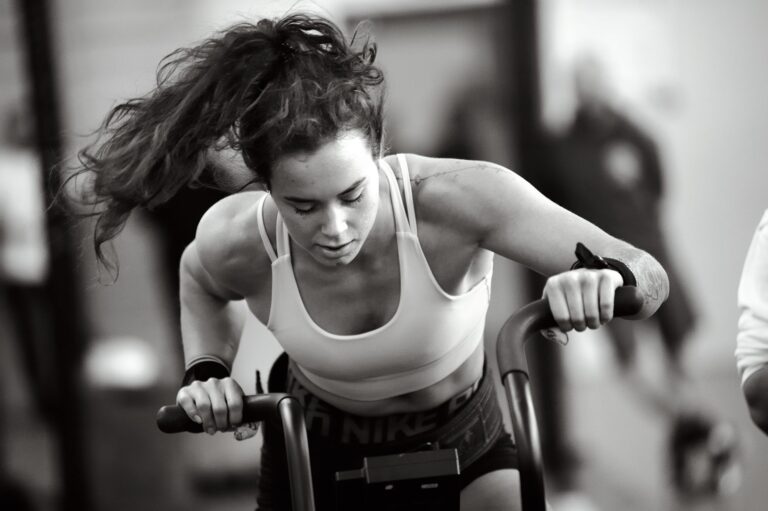
Indoor cardio classes become significantly more effective when paired with intensity tracking, allowing participants to move beyond perceived effort and into objective, data-driven training. By wearing a heart rate monitor during spin, HIIT, or aerobics classes, you can verify that you’re actually working in the intended training zones, avoid chronic overtraining or undertraining, and accumulate meaningful fitness data over weeks and months. A cyclist who feels like they’re pushing hard might discover their heart rate only reaches 65% of maximum during what the instructor calls a “sprint interval”””or conversely, someone else might find they’re redlining at 95% when they should be recovering.
The combination works because group classes provide structure, motivation, and coaching, while intensity tracking adds the personalized feedback that instructors cannot provide to twenty or thirty people simultaneously. This article covers the types of indoor cardio classes that benefit most from tracking, how to set up your monitoring system, the practical challenges you’ll encounter, and strategies for using your data to progress over time. Whether you’re taking your first cycling class or you’re a seasoned group fitness participant looking to break through a plateau, understanding how to track and interpret intensity transforms random exercise into deliberate training.
Table of Contents
- How Do You Track Intensity During Indoor Cardio Classes?
- Understanding Heart Rate Zones in Group Fitness Settings
- The Benefits of Tracked Indoor Cycling Classes
- Practical Challenges of Wearing Monitors in HIIT Classes
- Long-Term Progress Tracking Across Indoor Cardio Formats
- How to Prepare
- How to Apply This
- Expert Tips
- Conclusion
- Frequently Asked Questions
How Do You Track Intensity During Indoor Cardio Classes?
Intensity tracking during indoor cardio classes primarily relies on heart rate monitoring, though power meters on cycling bikes and perceived exertion scales offer complementary data. Chest strap monitors remain the gold standard for accuracy, detecting electrical signals from the heart and transmitting them to a watch or the gym’s display system. Optical wrist-based sensors have improved considerably but still struggle during high-intensity intervals when blood flow to the extremities decreases and arm movement creates noise in the signal. Most commercial gyms offering tracked classes use systems like Orangetheory’s proprietary monitors, MyZone belts, or Polar’s club solutions that display participant heart rates on screens throughout the room. This public display creates accountability and competitive motivation, but it also means your data lives in that gym’s ecosystem.
If you prefer owning your data, wearing your personal monitor and recording to your own watch or phone keeps everything in one training log, though you’ll miss the social leaderboard aspect. The practical difference between tracking methods matters less than consistency. A runner who always uses the same optical watch will notice trends in their data even if absolute accuracy is off by a few beats per minute. Problems arise when switching between devices or comparing data collected with different equipment. For serious training purposes, pick one reliable system and stick with it.
Understanding Heart Rate Zones in Group Fitness Settings
Heart rate zones provide the framework for interpreting intensity data, but the generic zone charts posted on gym walls often mislead participants. The standard formula of 220 minus your age for maximum heart rate can be off by 10-20 beats in either direction for any individual. Someone with an actual max of 190 who uses the formula’s prediction of 175 will calculate all their zones incorrectly, believing they’re at 100% effort when they’re actually at 92%. The five-zone model used by most tracking systems divides effort into recovery (50-60% max), aerobic (60-70%), tempo (70-80%), threshold (80-90%), and maximum (90-100%). During a typical hour-long cardio class, instructors aim to keep participants moving between zones two through four, with brief spikes into zone five during peak intervals.
However, if your personal zones are miscalibrated, you might spend the entire class in zone two while the instructor believes they’re delivering a threshold workout. To establish accurate zones, you need to determine either your true maximum heart rate through a max test or your lactate threshold through a sustained effort test. The latter is safer and more practical: after a warmup, sustain the hardest effort you can hold for 20 minutes, then take the average heart rate from the final 15 minutes as approximately your threshold. Your zones can then be calculated as percentages of this threshold rather than an estimated maximum. This takes effort but transforms your tracking from decoration into a legitimate training tool.
The Benefits of Tracked Indoor Cycling Classes
Indoor cycling studios have embraced intensity tracking more thoroughly than any other group fitness format, with many facilities now including power meters on every bike alongside heart rate monitoring. Power measurement removes the variability introduced by caffeine intake, sleep quality, temperature, and hydration that affect heart rate, showing exactly how much work you’re producing regardless of physiological fluctuations. A tired day might feel harder and elevate your heart rate, but your power output reveals whether you’re actually performing less work or just perceiving it differently. Studios like Peloton display both metrics, allowing riders to see the relationship between their effort and their body’s response over time.
A well-trained cyclist produces more power at the same heart rate compared to their untrained self, and watching this relationship improve provides concrete evidence of fitness gains. The competitive element of leaderboards in these classes motivates some riders while discouraging others who can’t compete against larger or more experienced participants””many platforms now offer “here now” leaderboards or age-and-gender filtered rankings to address this disparity. The limitation of cycling-specific tracking is that fitness gains don’t automatically transfer to other activities. Someone who trains exclusively with indoor cycling metrics might find their running or rowing performance hasn’t improved proportionally, as cycling fitness has significant sport-specific components. Cross-training between tracked modalities provides more complete cardiovascular development than optimizing for a single type of class.

Practical Challenges of Wearing Monitors in HIIT Classes
High-intensity interval training classes present unique challenges for heart rate monitoring that participants rarely anticipate. Floor-based exercises like burpees, mountain climbers, and plank variations cause chest strap monitors to shift position, especially during transitions from standing to prone movements. Sweat accumulates and can disrupt electrode contact, causing dropouts or erratic readings during the exact moments when accurate data matters most””the high-intensity peaks. Optical wrist monitors struggle even more in HIIT environments because gripping weights, kettlebells, or suspension trainers compresses the sensor against the wrist, disrupting blood flow readings. Some athletes move their optical monitor to a bicep band, which reduces motion artifact and provides more consistent skin contact, though this requires a compatible device or third-party adapter. The tradeoff is reduced convenience and an additional piece of equipment to manage during fast-paced class transitions. Another challenge specific to HIIT is the lag between actual intensity and heart rate response. During a 30-second all-out effort, heart rate climbs throughout the interval and often peaks 10-20 seconds after the work ends. If you’re tracking to stay within specific zones, this delay makes real-time adjustments nearly impossible during short intervals.
Reviewing data after the workout provides more useful information than trying to moderate effort based on lagging heart rate during the session itself. ## How to Choose Between Self-Tracked and Gym-Integrated Systems The decision between wearing your personal tracking equipment versus using a gym’s integrated system involves tradeoffs between data ownership, social features, and simplicity. Gym-integrated systems like Orangetheory’s require using their monitors and attending their classes, but they provide immediate on-screen feedback, coach attention to your zones, and automated workout summaries. Your training history lives in their app, which works well until you cancel your membership or the company changes their platform. Personal tracking with a device like a Garmin, Polar, or Apple Watch gives you complete control over your data and allows comparison across different activities””a morning run, an afternoon spin class, and weekend hiking all appear in the same training log. However, you lose the real-time display integration and instructor feedback unless the gym supports broadcast protocols from third-party devices, which remains uncommon. A hybrid approach works for many serious exercisers: wear the gym’s monitor for the social and coaching benefits during class, but also record simultaneously to a personal device. This duplicates data entry and requires wearing two sensors, but ensures you capture workouts in your long-term training record while still participating fully in the tracked class experience. The minor inconvenience pays off when you want to analyze training load across months or years rather than single sessions.
Long-Term Progress Tracking Across Indoor Cardio Formats
Building a useful longitudinal record from indoor cardio classes requires more structure than simply saving every workout file. The same “cycling class” can vary enormously based on instructor, music tempo, and your bike position relative to resistance settings that differ between machines. Without notes or standardized tests, comparing a Tuesday spin class to one from three months ago tells you little about fitness changes. Periodic benchmark workouts provide the missing context.
Many studios offer specific test classes””an FTP test in cycling, a 2000-meter rowing test, or a timed running assessment””that you can repeat quarterly to measure progress objectively. Outside of formal tests, tracking your average heart rate during identical workout structures (same instructor, same class format) reveals trends, though variables like sleep and stress still introduce noise. For example, a participant who notices their average heart rate during Wednesday evening spin class has dropped from 155 to 148 over six months while maintaining the same power output has objective evidence of improved cardiovascular efficiency. This kind of insight requires consistent tracking over extended periods, which is why committing to a single platform early matters more than finding the perfect one.
How to Prepare
- **Establish your personal zones** through threshold testing or a guided max heart rate test before attending tracked classes, so the numbers displayed actually mean something for your physiology rather than reflecting population averages.
- **Charge your monitor fully** the night before class, as low battery conditions can cause heart rate sensors to default to power-saving modes that reduce sampling frequency and accuracy.
- **Apply electrode gel or water to chest strap contacts** before wearing the monitor, since dry electrodes take several minutes to conduct properly and may miss your warmup data entirely.
- **Position optical monitors firmly** without overtightening, roughly two finger-widths above your wrist bone where motion artifact is minimized during arm movements.
- **Arrive early enough to test your connection** to the gym’s display system or confirm your personal device is recording before class begins.
How to Apply This
- **Review your workout summary within an hour of finishing**, noting total time in each zone and comparing against the class’s intended structure””if a class advertises threshold intervals but you spent 80% of time in zone two, something needs adjustment.
- **Track weekly time-in-zone totals** rather than obsessing over single sessions, since cardiovascular adaptation responds to cumulative stimulus over 7-14 day periods, not individual workouts.
- **Compare similar workouts monthly** by filtering your training log for the same class type and instructor, watching for trends in average heart rate at similar perceived efforts.
- **Adjust behavior based on patterns**: if you consistently undertrain during group classes, position yourself near the front where instructor energy is highest; if you consistently overtrain, choose a less competitive studio or ignore the leaderboard entirely.
Expert Tips
- Calibrate your expectations for the first month of tracked training, as learning how your body responds to different stimuli matters more than hitting specific numbers.
- Do not chase someone else’s heart rate zones during class, even if their numbers appear on the same screen””their age, fitness level, and genetics create a completely different context.
- Use heart rate recovery as a fitness indicator by noting how many beats per minute your heart rate drops in the first 60 seconds after a hard interval; faster recovery suggests improving cardiovascular efficiency.
- Record subjective notes alongside objective data, including sleep quality, nutrition, and stress, which affect heart rate response independently of fitness.
- Avoid wearing a heart rate monitor during every single workout, as occasional untracked sessions prevent psychological dependence on data and reconnect you with internal perception of effort.
Conclusion
Indoor cardio classes provide structure, motivation, and coaching that many exercisers struggle to maintain independently, while intensity tracking adds the objective feedback necessary to transform attendance into progressive training. The combination addresses a fundamental limitation of group fitness: instructors cannot individualize intensity guidance for every participant, but personal monitors can. Understanding your zones, choosing consistent equipment, and systematically reviewing data turns even a casual class schedule into a legitimate fitness program.
Moving forward, start by establishing your personal heart rate zones through threshold testing rather than accepting age-based formulas. Select one tracking approach””either a gym-integrated system or personal device””and commit to it long enough to accumulate meaningful longitudinal data. Periodically compare benchmark performances to verify that your training is producing adaptation, and adjust class selection or effort levels based on evidence rather than feeling. The technology enables better training, but only consistent application of these principles delivers results.
Frequently Asked Questions
How long does it typically take to see results?
Results vary depending on individual circumstances, but most people begin to see meaningful progress within 4-8 weeks of consistent effort. Patience and persistence are key factors in achieving lasting outcomes.
Is this approach suitable for beginners?
Yes, this approach works well for beginners when implemented gradually. Starting with the fundamentals and building up over time leads to better long-term results than trying to do everything at once.
What are the most common mistakes to avoid?
The most common mistakes include rushing the process, skipping foundational steps, and failing to track progress. Taking a methodical approach and learning from both successes and setbacks leads to better outcomes.
How can I measure my progress effectively?
Set specific, measurable goals at the outset and track relevant metrics regularly. Keep a journal or log to document your journey, and periodically review your progress against your initial objectives.
When should I seek professional help?
Consider consulting a professional if you encounter persistent challenges, need specialized expertise, or want to accelerate your progress. Professional guidance can provide valuable insights and help you avoid costly mistakes.
What resources do you recommend for further learning?
Look for reputable sources in the field, including industry publications, expert blogs, and educational courses. Joining communities of practitioners can also provide valuable peer support and knowledge sharing.