
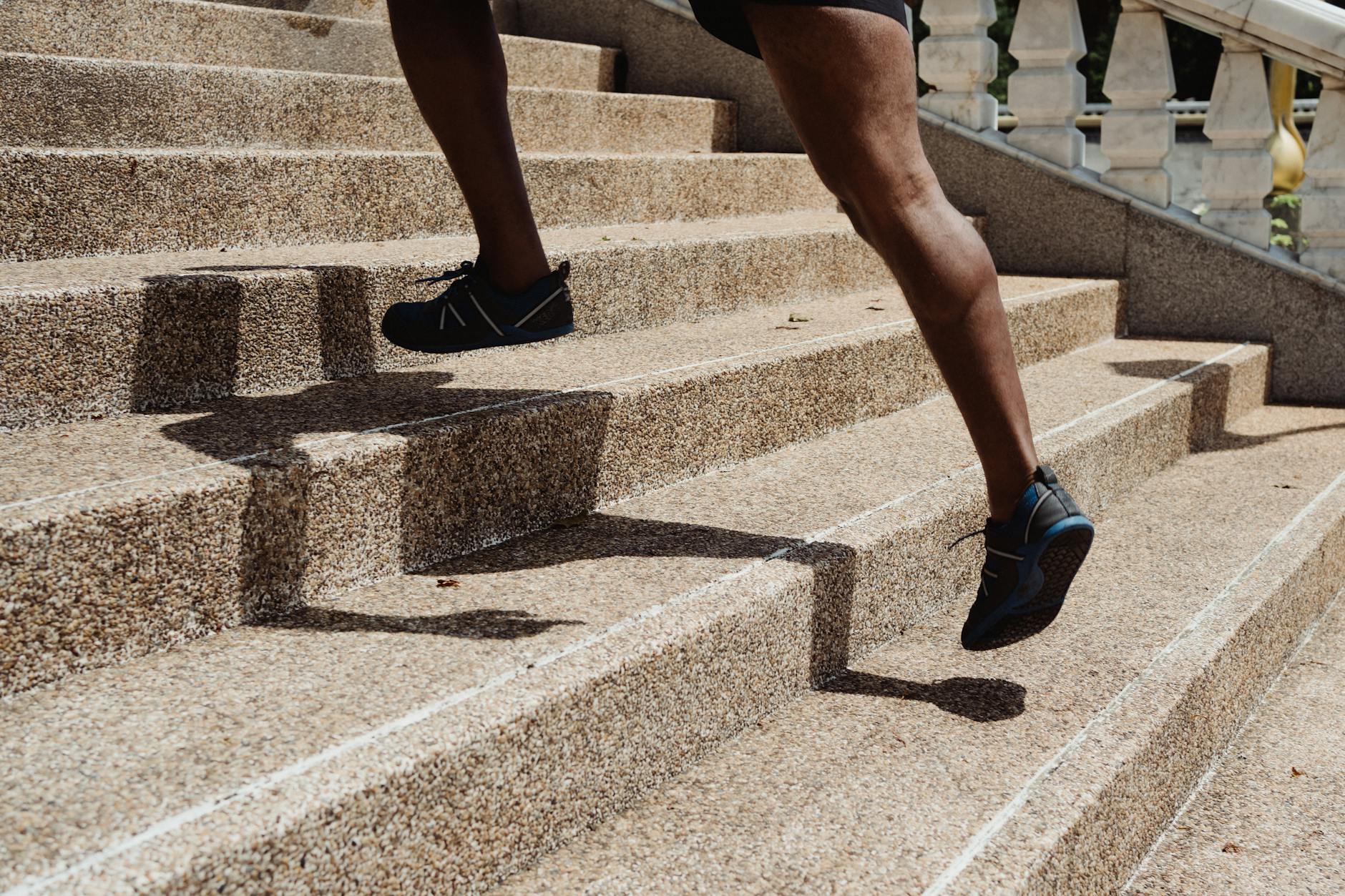
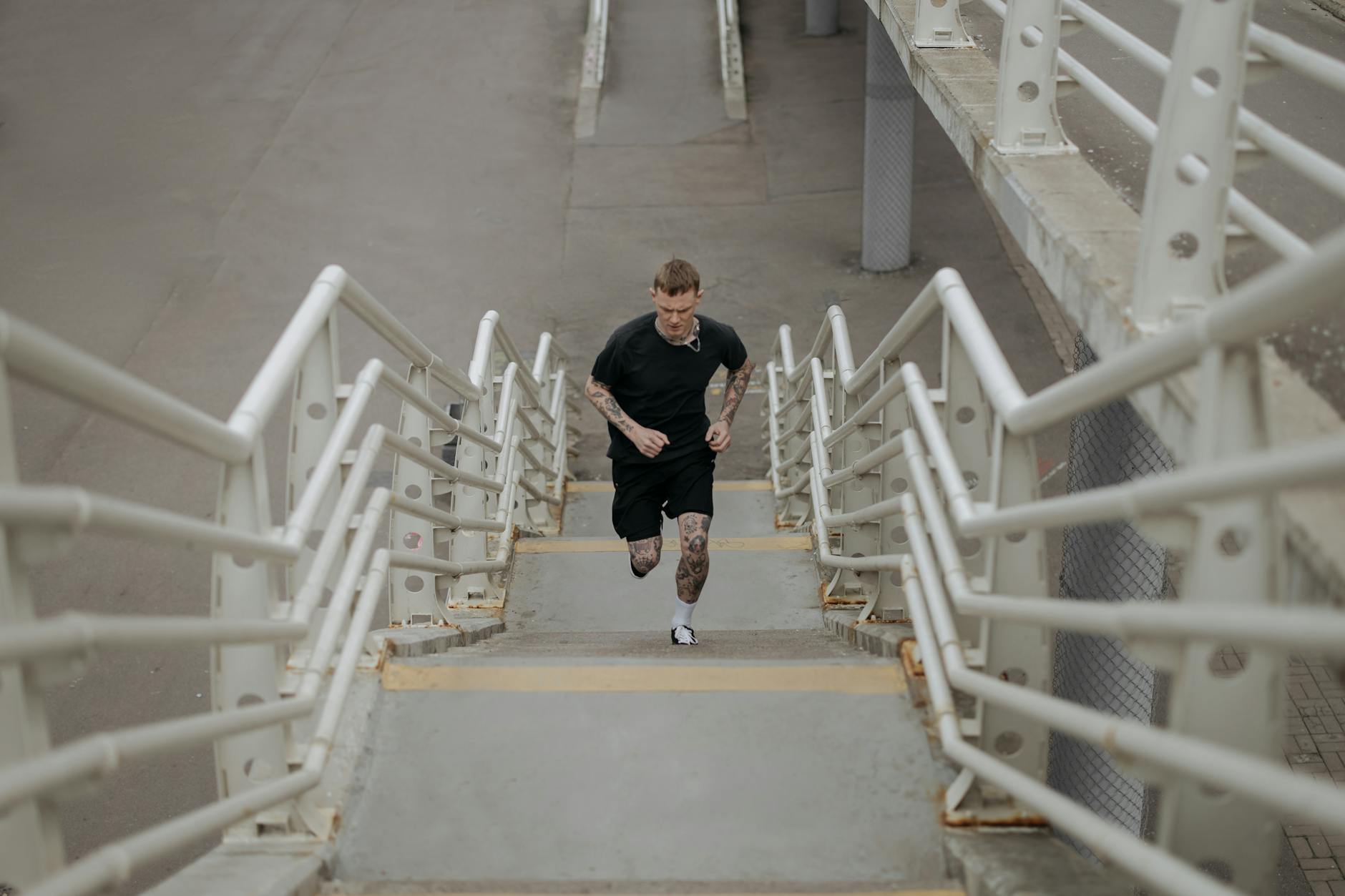
Stair climbing qualifies as vigorous-intensity cardiovascular exercise when performed at a pace of roughly 77 steps per minute or faster, burning between 400 and 700 calories per hour depending on body weight and intensity. This makes both actual stair climbing and stair machine workouts one of the most efficient cardio options available, delivering heart rates typically in the 70 to 85 percent of maximum range while simultaneously building lower body strength. A 160-pound person climbing stairs at a moderate-to-brisk pace will burn approximately 500 calories in an hour, comparable to running at a 10-minute mile pace but with significantly less joint impact. Consider a practical example: climbing the stairs in a typical 10-story office building takes roughly three to four minutes and elevates heart rate into vigorous territory almost immediately.
Repeating this climb five times creates a 15 to 20 minute workout that checks all the boxes for cardiovascular conditioning. Stair machines replicate this effort in a controlled environment, allowing for sustained climbing that would be difficult to achieve on actual staircases without constant interruption. This article examines why stair climbing earns its classification as vigorous cardio, how it compares to other high-intensity activities, the specific physiological benefits it provides, and practical approaches for incorporating stair workouts into a running or general fitness program. We will also address common mistakes, equipment considerations, and how to progress safely from beginner to advanced stair training.
Table of Contents
- What Makes Stair Climbing Qualify as Vigorous Cardio Exercise?
- Stair Machines Versus Actual Stairs: Cardio Intensity Comparison
- Cardiovascular and Muscular Benefits of Stair-Based Training
- Common Stair Climbing Mistakes That Reduce Cardio Effectiveness
- Stair Climbing Heart Rate Zones and Intensity Monitoring
- How to Prepare
- How to Apply This
- Expert Tips
- Conclusion
- Frequently Asked Questions
What Makes Stair Climbing Qualify as Vigorous Cardio Exercise?
The classification of vigorous exercise depends primarily on metabolic equivalents, or METs, which measure energy expenditure relative to resting metabolism. Stair climbing registers between 8 and 9 METs at a moderate pace and can exceed 12 METs during intense efforts. For comparison, jogging at a 12-minute mile pace produces approximately 8 METs, while running at a 7-minute mile pace generates around 11.5 METs. This places sustained stair climbing in the same physiological category as running, swimming laps, or high-intensity cycling. The vertical component of stair climbing creates the vigorous demand.
Moving your body weight upward against gravity requires significantly more energy than horizontal locomotion at equivalent speeds. Walking on flat ground at 3.5 miles per hour produces roughly 4 METs, but walking up stairs at the same perceived effort level nearly doubles the metabolic cost. Heart rate responds accordingly, typically reaching 75 to 90 percent of maximum within two to three minutes of continuous climbing. However, the vigorous classification applies only when climbing is sustained or repeated with minimal rest. Walking up a single flight of stairs elevates heart rate temporarily but does not produce the sustained cardiovascular stress required for training adaptations. The threshold for vigorous benefit requires at least 10 minutes of accumulated climbing time per session, which translates to roughly 20 to 30 floors in most buildings or 10 to 15 minutes on a stair machine.

Stair Machines Versus Actual Stairs: Cardio Intensity Comparison
Stair machines and actual staircases produce similar cardiovascular demands, but subtle differences affect workout quality and training outcomes. The continuous nature of stair machines eliminates the recovery periods that occur when climbing real stairs, where landings and direction changes create brief intensity drops every 10 to 15 steps. This makes machine climbing more metabolically consistent but potentially more monotonous and psychologically demanding. Actual stair climbing requires greater balance, coordination, and ankle stability than machine climbing. The stepping motion on a machine follows a fixed path, whereas real stairs present varying tread depths, occasional irregularities, and the need to navigate other people or obstacles. These demands recruit stabilizer muscles more actively and develop proprioceptive abilities that transfer to trail running and other uneven-terrain activities.
Some fitness professionals argue this makes real stair climbing superior for functional fitness despite the inconvenience. The limitation of actual stairs becomes apparent in sustained training. Most accessible staircases top out at 10 to 20 floors, requiring descent between climbing intervals. Descending stairs stresses knees and quadriceps eccentrically, which provides its own training benefits but also increases injury risk and delays recovery between climbing efforts. If your primary goal is maximizing cardiovascular training time with minimal joint stress, stair machines offer a clear advantage. However, if you want the most transferable fitness for hiking, mountain running, or obstacle course racing, incorporating actual stair climbing provides benefits that machines cannot fully replicate.
Cardiovascular and Muscular Benefits of Stair-Based Training
Stair climbing delivers dual physiological adaptations that few other cardio modalities match. The cardiovascular system responds to sustained climbing with the same adaptations produced by running or cycling: increased stroke volume, improved capillary density, enhanced mitochondrial function, and greater aerobic enzyme activity. These changes improve oxygen delivery and utilization throughout the body, lowering resting heart rate and increasing exercise capacity over time. The muscular demands of stair climbing distinguish it from most cardio activities. Each step requires significant force production from the quadriceps, gluteus maximus, and calf muscles, creating a resistance training effect alongside the cardiovascular stimulus.
Research from the University of Roehampton found that regular stair climbers demonstrated 17 percent greater leg strength than matched controls who performed equivalent cardio through cycling or walking. This dual adaptation makes stair training particularly valuable for runners seeking to build hill strength without adding separate weight training sessions. A specific example illustrates the combined benefit: a runner preparing for a hilly marathon incorporated twice-weekly stair machine sessions of 30 minutes at moderate intensity. After eight weeks, laboratory testing revealed a 6 percent improvement in VO2max alongside a 12 percent increase in single-leg press strength. The runner reported noticeably less fatigue during uphill race segments and faster recovery between hills. This pattern reflects the unique training economy that stair work provides, addressing two fitness components simultaneously.

Common Stair Climbing Mistakes That Reduce Cardio Effectiveness
The most prevalent stair climbing error involves supporting body weight on the handrails, which can reduce energy expenditure by 20 to 50 percent depending on how much weight is offloaded. Light fingertip contact for balance assistance minimally affects intensity, but gripping and leaning shifts mechanical work from the legs to the arms and dramatically lowers heart rate response. A workout that should burn 400 calories may only burn 250 if handrails are used excessively. The solution involves selecting an intensity level that allows climbing without rail support, even if this means starting at surprisingly low machine settings. Leaning forward excessively creates a second common problem. While slight forward lean is natural and appropriate, hunching over the console shifts body weight onto the arms and shortens hip extension range of motion.
This reduces gluteal engagement and creates lower back stress. The proper posture involves standing relatively upright, allowing only enough forward lean to maintain balance, with eyes focused ahead rather than down at the feet or console. A less obvious mistake involves stepping too shallow. Taking small, quick steps may feel easier initially but shifts stress toward the calves and away from the larger gluteal and quadriceps muscles. This limits power output, reduces calorie burn, and may cause premature calf fatigue that ends workouts early. Aim for full step depth on machines and taking stairs one or two at a time on actual staircases. If two-at-a-time stepping feels too difficult at your target heart rate, single stepping at a faster pace provides equivalent cardiovascular stimulus with less strength demand per step.
Stair Climbing Heart Rate Zones and Intensity Monitoring
Heart rate provides the most practical intensity gauge for stair training, as perceived exertion often underestimates actual effort during the first several minutes. Most exercisers reach vigorous intensity, defined as 70 to 85 percent of maximum heart rate, within 90 seconds of beginning stair climbing at even moderate paces. The vertical work component accelerates cardiovascular response faster than horizontal exercise at equivalent perceived efforts. For a 40-year-old with an estimated maximum heart rate of 180, vigorous stair training would target 126 to 153 beats per minute. Staying in the lower portion of this range for 30 to 45 minutes develops aerobic endurance, while intervals pushing toward the upper end build anaerobic capacity and lactate tolerance.
Both approaches qualify as vigorous cardio, but the training adaptations differ. Steady moderate-vigorous climbing enhances fat oxidation and builds the aerobic base, while high-intensity intervals improve power output and high-end fitness. As an example, an interval protocol might involve two minutes of climbing at 70 percent maximum heart rate followed by one minute at 85 percent, repeated for 20 to 30 minutes total. This produces approximately 15 to 20 minutes in the vigorous zone with structured recovery periods that allow higher peak intensities than steady climbing would permit. Such protocols prove particularly effective for time-crunched exercisers seeking maximum cardiovascular benefit in limited training windows.
How to Prepare
- **Assess baseline fitness with a simple test.** Climb three to four flights of stairs at a comfortable pace and note your heart rate and breathing response at the top. If you are severely winded or your heart rate exceeds 85 percent of maximum, begin training at very low intensities and progress gradually over several weeks before attempting sustained vigorous efforts.
- **Select appropriate footwear with adequate cushioning.** Running shoes or cross-trainers with stable heel counters work well for stair training. Avoid minimalist shoes or worn-out footwear, as the repetitive impact of stepping, even on machines, accumulates over thousands of steps per session.
- **Start with shorter durations than you think necessary.** The eccentric component of descending actual stairs and the sustained nature of machine climbing create muscle soreness that peaks 24 to 48 hours post-workout. Begin with 10 to 15 minute sessions and increase by no more than five minutes per week.
- **Learn proper machine operation before increasing intensity.** Spend your first one or two sessions at low resistance focusing on posture, stepping rhythm, and minimal handrail use. Understanding the machine’s feel at easy intensities makes it easier to maintain form when pushing harder later.
- **Warm up with three to five minutes of easy stepping before vigorous efforts.** Unlike running, which typically involves gradual pace increases, stair climbing can spike heart rate extremely quickly. The brief warmup allows cardiovascular adjustment and reduces the perceived difficulty of the main workout.
How to Apply This
- **Replace one weekly easy cardio session with 20 to 30 minutes of moderate-intensity stair climbing.** This substitution maintains cardiovascular training while introducing the strength component. Schedule this session at least 48 hours before any hard running workouts to allow adequate recovery.
- **Use stair intervals as a substitute for track or tempo workouts during periods when running is limited.** Structure intervals with work-to-rest ratios of 2:1 or 3:1, keeping total interval time between 15 and 25 minutes. This provides comparable cardiovascular stimulus to running intervals with reduced impact.
- **Add brief stair finishers after strength training sessions.** Ten minutes of moderate stair climbing elevates heart rate and provides active recovery while reinforcing the lower body work from lifting. This approach efficiently combines training modalities without adding separate cardio sessions.
- **Periodize stair training intensity across training blocks.** During base-building phases, emphasize longer steady-state sessions at moderate intensity. As key events approach, shift toward shorter high-intensity intervals that mirror race-specific demands. Reduce stair volume during taper periods just as you would reduce running volume.
Expert Tips
- Focus on driving through the heel and midfoot rather than pushing off the toes. This engagement pattern activates the gluteal muscles more effectively and reduces calf strain during longer sessions.
- Do not grip handrails when fatigued; instead, reduce speed or resistance. Maintaining proper form at lower intensity produces better training adaptations than compensating with arm support at higher intensity.
- Incorporate both continuous climbing and interval formats in your weekly routine. The varied stimulus prevents accommodation and develops different aspects of cardiovascular fitness.
- Match stair training intensity to your running training phase. High-intensity stair intervals during a running taper can undermine recovery; save these sessions for base-building and general preparation phases.
- Breathe rhythmically in coordination with stepping cadence. A common pattern involves inhaling for two steps and exhaling for two steps, similar to running breathing rhythms, which helps maintain sustainable effort levels.
Conclusion
Stair climbing and stair machine workouts deliver legitimate vigorous cardiovascular exercise that rivals running in metabolic cost while adding unique strength-building benefits. The combination of vertical work against gravity and continuous large-muscle engagement creates training adaptations in both cardiovascular and muscular systems simultaneously. For runners, this makes stair training an exceptionally efficient cross-training option that can maintain aerobic fitness during injury recovery, build hill-climbing strength, and provide variety that prevents overuse injuries from excessive running volume.
The practical implementation matters as much as the physiological benefits. Avoiding handrail support, maintaining upright posture, using full step depth, and managing intensity progression appropriately determine whether stair workouts achieve their potential or fall short of expectations. Starting conservatively, monitoring heart rate, and building duration before intensity creates sustainable training habits that produce long-term fitness improvements. Whether using actual staircases for functional training variety or stair machines for controlled continuous effort, this form of vigorous cardio deserves consideration in any comprehensive fitness program.
Frequently Asked Questions
How long does it typically take to see results?
Results vary depending on individual circumstances, but most people begin to see meaningful progress within 4-8 weeks of consistent effort. Patience and persistence are key factors in achieving lasting outcomes.
Is this approach suitable for beginners?
Yes, this approach works well for beginners when implemented gradually. Starting with the fundamentals and building up over time leads to better long-term results than trying to do everything at once.
What are the most common mistakes to avoid?
The most common mistakes include rushing the process, skipping foundational steps, and failing to track progress. Taking a methodical approach and learning from both successes and setbacks leads to better outcomes.
How can I measure my progress effectively?
Set specific, measurable goals at the outset and track relevant metrics regularly. Keep a journal or log to document your journey, and periodically review your progress against your initial objectives.
When should I seek professional help?
Consider consulting a professional if you encounter persistent challenges, need specialized expertise, or want to accelerate your progress. Professional guidance can provide valuable insights and help you avoid costly mistakes.
What resources do you recommend for further learning?
Look for reputable sources in the field, including industry publications, expert blogs, and educational courses. Joining communities of practitioners can also provide valuable peer support and knowledge sharing.