Cycling outdoors counts toward your aerobic intensity minutes when your heart rate stays elevated between 50-85% of your maximum heart rate, typically achieved through moderate-to-vigorous pedaling sustained for at least 10 continuous minutes. The American Heart Association recommends 150 minutes of moderate-intensity aerobic activity per week, and outdoor cycling qualifies as one of the most effective ways to accumulate these minutes while minimizing joint stress. A 30-minute bike ride at a conversational pace where you can speak in short sentences but feel your breathing elevated will typically register as moderate-intensity aerobic exercise, directly contributing to your weekly cardiovascular targets.
For example, a 45-year-old cyclist with a maximum heart rate of approximately 175 beats per minute would need to maintain a heart rate between 88 and 149 BPM during their ride to count those minutes as aerobic intensity time. Many riders discover that outdoor cycling naturally pushes them into this zone because terrain variations, wind resistance, and the need to maintain momentum create consistent cardiovascular demand without the monotony of indoor alternatives. This article explores how to measure and maximize your aerobic intensity minutes while cycling outdoors, including the physiological differences between cycling and running, practical strategies for tracking intensity, common mistakes that reduce aerobic benefit, and specific protocols for building cardiovascular fitness through outdoor rides.
Table of Contents
- How Does Outdoor Cycling Build Aerobic Intensity Minutes?
- Measuring Intensity: Heart Rate Zones and Cycling Performance
- Why Outdoor Cycling Differs from Indoor Training for Cardiovascular Development
- Structuring Outdoor Rides to Maximize Aerobic Minutes
- Common Mistakes That Reduce Aerobic Benefit from Cycling
- Seasonal and Weather Considerations for Outdoor Aerobic Cycling
- How to Prepare
- How to Apply This
- Expert Tips
- Conclusion
- Frequently Asked Questions
How Does Outdoor Cycling Build Aerobic Intensity Minutes?
Outdoor cycling develops aerobic capacity through sustained, rhythmic muscular contractions that demand continuous oxygen delivery to working muscles. Unlike activities with frequent starts and stops, cycling allows you to maintain an elevated heart rate for extended periods, which is precisely what triggers cardiovascular adaptations. The heart responds to this sustained demand by becoming more efficient at pumping blood, while your muscles develop greater capillary density and mitochondrial content to process oxygen more effectively. The mechanical efficiency of cycling means you can sustain aerobic effort longer than weight-bearing activities like running.
Research published in the British Journal of Sports Medicine found that cyclists could maintain moderate-intensity exercise approximately 25% longer than runners before reaching comparable levels of perceived exertion. This extended duration potential translates directly to more accumulated aerobic minutes per session, making cycling particularly valuable for those building cardiovascular fitness from a lower baseline. However, cycling’s efficiency also presents a potential limitation: some riders coast too frequently or choose routes that don’t maintain consistent cardiovascular demand. A flat, straight path with tailwinds and traffic lights might feel like exercise but could produce heart rate data showing only 15-20 minutes of actual aerobic intensity during a 45-minute ride. The key distinction is between time spent on the bike and time spent in your aerobic training zone.
Measuring Intensity: Heart Rate Zones and Cycling Performance
Heart rate monitoring remains the gold standard for quantifying aerobic intensity during outdoor cycling because it provides objective, real-time feedback about cardiovascular stress regardless of terrain, wind conditions, or fitness level. Zone 2 training, typically defined as 60-70% of maximum heart rate, represents the sweet spot for aerobic development where you accumulate intensity minutes while training your body to preferentially burn fat as fuel. Zone 3, at 70-80% of maximum heart rate, increases intensity and shifts toward more glycogen utilization but still qualifies as aerobic exercise. A comparison between heart rate and perceived exertion illustrates why objective measurement matters: many cyclists believe they’re working harder than they actually are during outdoor rides because environmental stimulation and the sensation of speed create psychological intensity that doesn’t match physiological reality.
Conversely, experienced riders sometimes underestimate their effort on hot days when cardiac drift pushes heart rate higher for the same power output. A chest strap or optical wrist sensor removes guesswork from the equation. However, if you’re taking beta-blockers or other medications that affect heart rate response, heart rate zones become unreliable indicators of aerobic intensity. In these cases, power meters offer a more accurate alternative, and perceived exertion scales like the Borg RPE can serve as reasonable proxies. The “talk test” provides a low-tech option: during moderate aerobic intensity, you should be able to speak in sentences but not sing comfortably.
Why Outdoor Cycling Differs from Indoor Training for Cardiovascular Development
The variable nature of outdoor cycling creates what exercise physiologists call “organic interval training,” where natural terrain fluctuations produce heart rate variability that indoor trainers cannot replicate without deliberate programming. This variability appears to enhance certain aspects of cardiovascular adaptation, including improved heart rate recovery and greater aerobic ceiling development. A study from the University of Georgia found that cyclists who trained primarily outdoors demonstrated 12% faster heart rate recovery after maximal efforts compared to indoor-only cyclists. Outdoor riding also engages stabilizing muscles and demands constant micro-adjustments for balance and steering that add a small but measurable metabolic cost.
Wind resistance increases exponentially with speed, meaning outdoor cyclists face genuine physical resistance that can’t be easily replicated on trainers without sophisticated equipment. These factors collectively mean that perceived effort during outdoor riding often correlates more closely with actual cardiovascular benefit. For example, a cyclist completing a 20-mile loop through rolling hills might average only 15 mph but spend 85% of their ride time in aerobic training zones due to constant terrain-induced effort. The same cyclist on an indoor trainer might need to consciously structure intervals to achieve comparable time-in-zone, and many find they unconsciously reduce effort when not facing external resistance. The practical implication is that outdoor cycling may accumulate aerobic minutes more efficiently for riders who struggle with indoor motivation.

Structuring Outdoor Rides to Maximize Aerobic Minutes
The most effective strategy for accumulating aerobic intensity minutes involves selecting routes that minimize coasting opportunities while maintaining sustainable effort levels. Loop routes generally outperform out-and-back routes because they eliminate the extended downhill or tailwind segments that can drop heart rate below aerobic thresholds. Hilly terrain produces more consistent aerobic demand than flat ground because even descents require some effort to control speed and navigate. Consider the tradeoff between intensity and duration: a 90-minute easy ride at 55-60% of maximum heart rate might only yield 50 minutes of true aerobic intensity time due to stops, coasting, and sections below threshold. Alternatively, a focused 60-minute ride at 65-75% of maximum heart rate with minimal interruptions could deliver 55 minutes of aerobic time.
For time-constrained athletes, the latter approach proves more efficient, though both contribute to cardiovascular health. Route planning should account for traffic patterns and intersection density. Urban cycling with frequent stops rarely produces continuous aerobic effort, while rail trails and dedicated cycling paths allow uninterrupted riding. Some cyclists use cycling computers to track “time in zone” as a primary metric, setting alerts when heart rate drops below their target floor. This real-time feedback helps maintain focus on aerobic development rather than simply completing distance.
Common Mistakes That Reduce Aerobic Benefit from Cycling
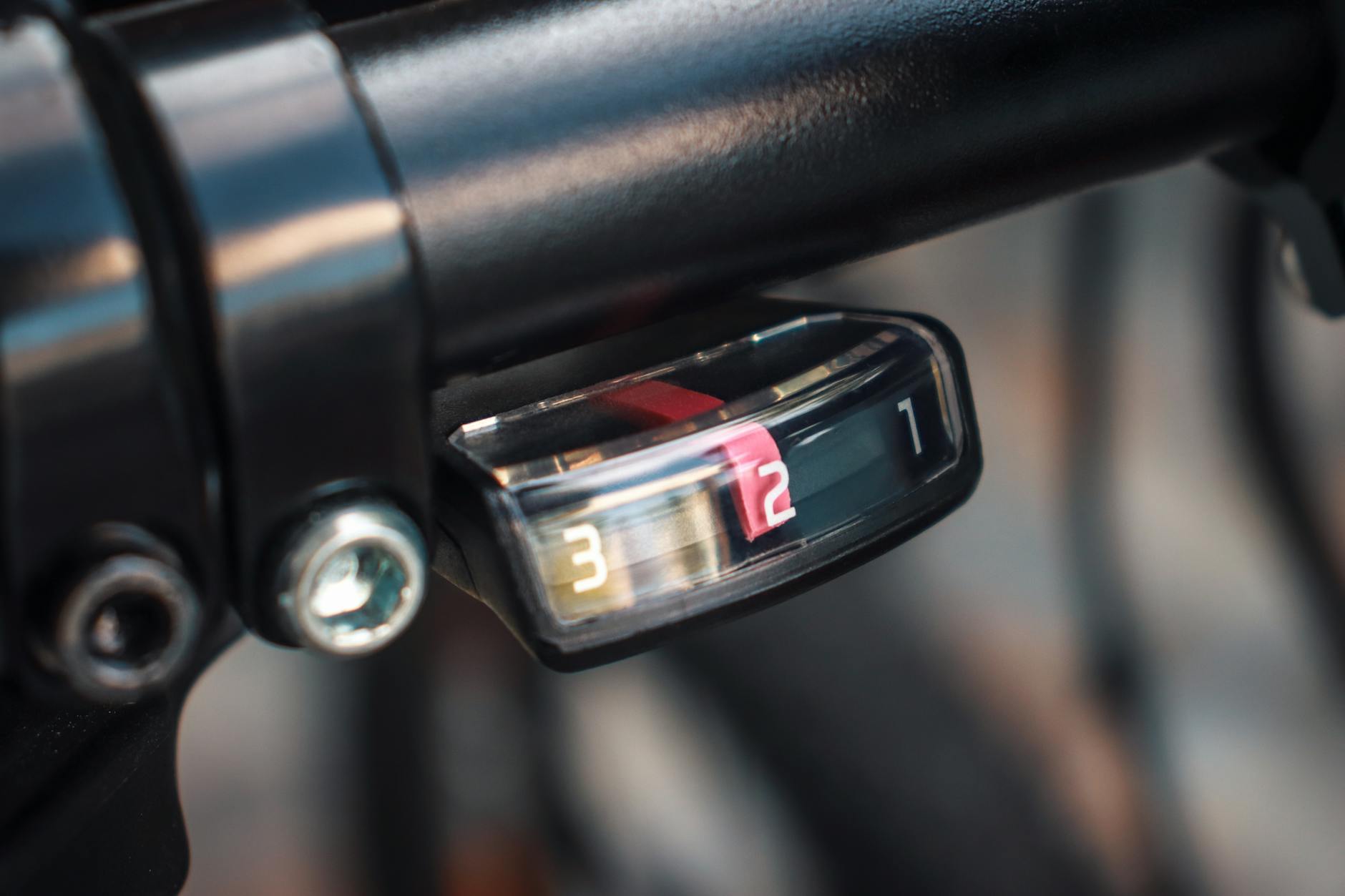
Perhaps the most prevalent error is conflating time on the bike with productive training time. Cyclists who measure success by miles covered or hours logged often fail to notice that their actual aerobic intensity minutes represent only a fraction of total ride time. This “junk miles” phenomenon is especially common among recreational cyclists who ride at conversational paces well below aerobic thresholds or who choose routes with excessive coasting sections. Gearing selection significantly impacts aerobic intensity accumulation. Cyclists who default to easier gears reduce muscular demand and consequently cardiovascular demand.
While there’s nothing wrong with easy recovery rides, those seeking aerobic minutes need to select gearing that maintains pedal resistance throughout the ride. A cadence of 75-95 RPM with noticeable but sustainable leg tension typically corresponds to aerobic-zone heart rates for most riders. A warning for competitive or ambitious cyclists: excessive intensity undermines aerobic development by pushing training into anaerobic zones where different metabolic pathways dominate. Riders who treat every outdoor ride as a race accumulate less true aerobic time despite working harder. The paradox of aerobic training is that consistent moderate effort produces greater cardiovascular adaptation than sporadic maximal effort, and many cyclists sabotage their aerobic base by riding too hard too often.
Seasonal and Weather Considerations for Outdoor Aerobic Cycling
Temperature significantly affects heart rate response during outdoor cycling, complicating intensity tracking across seasons. Heat increases cardiovascular strain, causing heart rate drift upward even at constant effort levels. A ride that produces 45 minutes of aerobic-zone heart rate in moderate weather might show 55 minutes of zone time in hot conditions, but this doesn’t represent equivalent training stimulus.
Experienced cyclists adjust expectations and may use power output rather than heart rate as their primary metric during summer months. Cold weather presents different challenges: restricted blood flow to extremities and increased respiratory resistance can make moderate-intensity cycling feel more difficult while heart rate remains suppressed. Layering appropriately and extending warm-up periods helps normalize cardiovascular response in cold conditions. For example, a cyclist who typically warms up for 10 minutes before settling into aerobic pace might require 15-20 minutes during winter rides to achieve similar heart rate patterns.
How to Prepare
- **Calculate your personal heart rate zones** using either a laboratory test, field test, or age-based formula. The most accurate field method involves a 20-minute time trial where you ride as hard as sustainable; your average heart rate during the final 10 minutes approximates your lactate threshold, and aerobic zones fall at 60-80% of this value. Age-based formulas (220 minus age for maximum heart rate) provide rough estimates but can be off by 10-15 beats in either direction.
- **Select and configure a heart rate monitor** that provides real-time zone feedback. Chest straps offer superior accuracy for cycling applications where arm movement is limited and optical sensors perform reasonably well. Program your device with calculated zones and set audible alerts for when heart rate drops below your target floor or exceeds your aerobic ceiling.
- **Plan two or three initial routes** of varying lengths that minimize stops and include moderate terrain variation. Identify segments where you anticipate coasting and consider alternatives that maintain effort. Test these routes during low-traffic times to establish baseline time-in-zone expectations.
- **Ensure proper bike fit** to prevent positional limitations on breathing and circulation. A position that compresses the diaphragm or restricts hip flexion can artificially elevate heart rate without proportional aerobic benefit. Consider a professional fitting if you experience numbness, excessive upper body tension, or difficulty breathing deeply while riding.
- **Establish a baseline measurement** by completing one of your planned routes at a comfortable-but-purposeful pace while recording heart rate data. Common mistake: riders often push too hard during baseline rides, which skews their perception of normal training zones. Approach this ride as a data-gathering session rather than a performance test.
How to Apply This
- **Schedule aerobic cycling sessions** on days when you can commit to uninterrupted riding for at least 45 minutes. Shorter sessions have value but produce proportionally less aerobic time due to warm-up requirements. If running is your primary sport, position cycling sessions on days when lower-body impact reduction benefits recovery.
- **Begin each ride with structured warm-up** of 10-15 minutes at 50-60% of maximum heart rate before settling into aerobic training zones. This progressive approach prepares cardiovascular and muscular systems while allowing heart rate monitors to stabilize and provide accurate readings.
- **Monitor time-in-zone during rides** rather than focusing on distance or speed. When heart rate drops below your target floor, increase effort through gearing, cadence, or route selection. Some cyclists benefit from setting interval reminders every 10 minutes to prompt zone-checking behavior until it becomes habitual.
- **Log and review session data** after each ride to identify patterns. Note which route segments consistently produce target-zone heart rates and which segments require modifications. Track weekly aerobic minutes from cycling alongside other activities to ensure you’re meeting cardiovascular health targets.
Expert Tips
- Focus on accumulating 30-45 minutes of actual aerobic-zone time per session rather than targeting total ride duration; this reframes success around physiological benefit rather than time spent.
- Do not attempt to combine high-intensity interval training with aerobic base building in the same ride unless you have specific periodization guidance; mixing intensities often compromises both adaptations.
- Use rolling terrain to your advantage by maintaining effort on descents through higher gearing rather than coasting; this simple adjustment can add 10-15 minutes of zone time to a typical hour-long ride.
- Consider wind direction when planning routes: headwind segments elevate heart rate reliably while tailwind sections often drop heart rate below aerobic thresholds regardless of perceived effort.
- Review your cadence data alongside heart rate; if cadence consistently falls below 70 RPM while heart rate remains in zone, you’re likely overusing muscular strength rather than cardiovascular capacity, which limits aerobic adaptation.
Conclusion
Outdoor cycling offers an effective, joint-friendly method for accumulating the aerobic intensity minutes essential for cardiovascular health and endurance performance. The key insight is distinguishing between time spent on the bike and time spent in productive aerobic training zones””a distinction that requires intentional route selection, consistent monitoring, and honest assessment of effort quality. Most recreational cyclists significantly overestimate their aerobic minutes because they track total ride time rather than time-in-zone, leading to slower cardiovascular adaptation than their commitment would otherwise produce.
Moving forward, consider implementing heart rate monitoring with zone alerts, restructuring routes to minimize coasting, and tracking weekly aerobic minutes as a primary metric. The 150-minute moderate-intensity target provides a useful starting point, but endurance athletes may benefit from 200-300 weekly aerobic minutes accumulated across cycling and other activities. With deliberate attention to intensity management, outdoor cycling can serve as either a primary aerobic development tool or a valuable supplement to running and other cardiovascular training modalities.
Frequently Asked Questions
How long does it typically take to see results?
Results vary depending on individual circumstances, but most people begin to see meaningful progress within 4-8 weeks of consistent effort. Patience and persistence are key factors in achieving lasting outcomes.
Is this approach suitable for beginners?
Yes, this approach works well for beginners when implemented gradually. Starting with the fundamentals and building up over time leads to better long-term results than trying to do everything at once.
What are the most common mistakes to avoid?
The most common mistakes include rushing the process, skipping foundational steps, and failing to track progress. Taking a methodical approach and learning from both successes and setbacks leads to better outcomes.
How can I measure my progress effectively?
Set specific, measurable goals at the outset and track relevant metrics regularly. Keep a journal or log to document your journey, and periodically review your progress against your initial objectives.
When should I seek professional help?
Consider consulting a professional if you encounter persistent challenges, need specialized expertise, or want to accelerate your progress. Professional guidance can provide valuable insights and help you avoid costly mistakes.
What resources do you recommend for further learning?
Look for reputable sources in the field, including industry publications, expert blogs, and educational courses. Joining communities of practitioners can also provide valuable peer support and knowledge sharing.