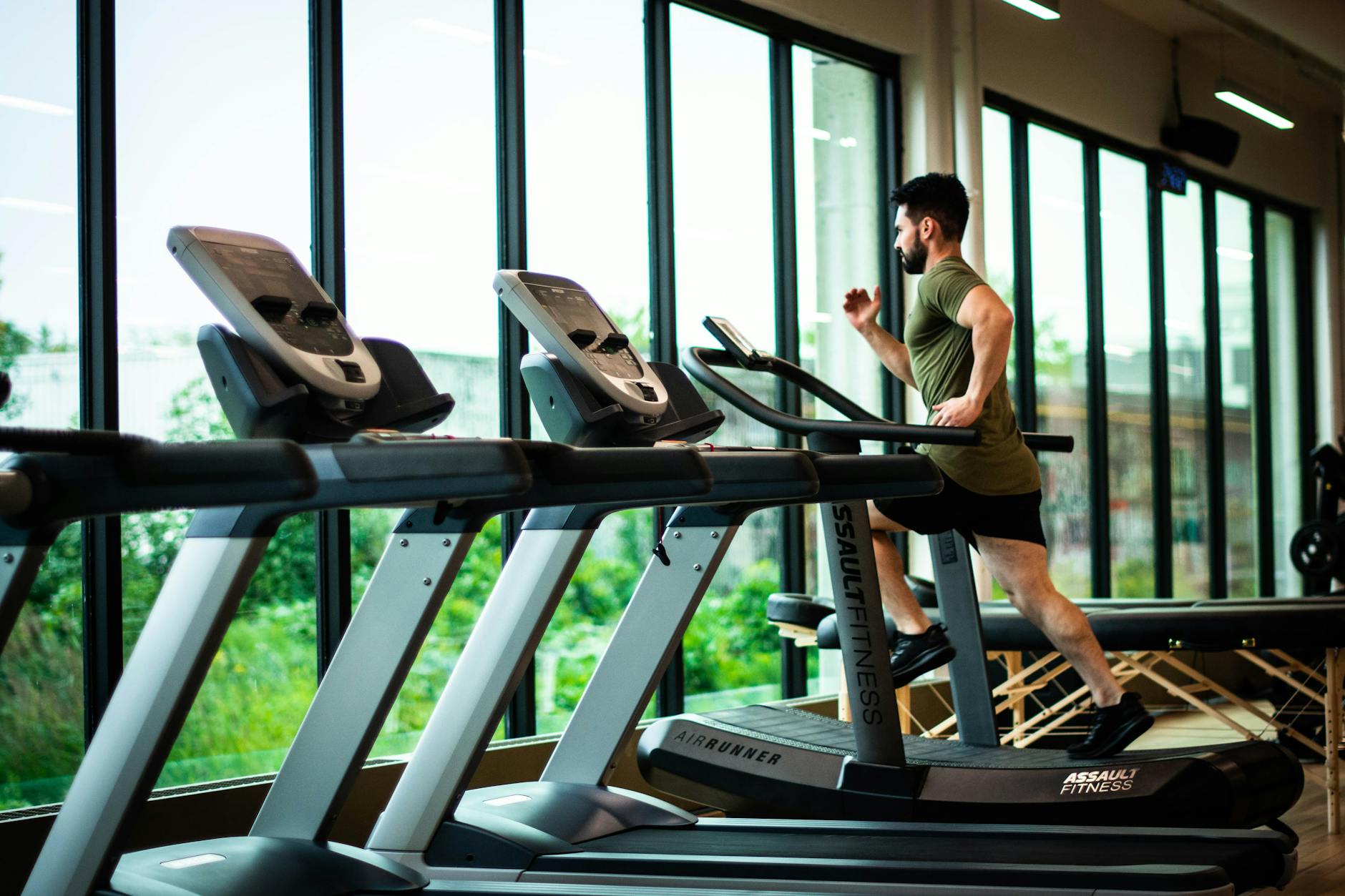
Finding running shoes that don’t punish you after 60 minutes on a treadmill requires understanding the unique demands that extended indoor running places on your feet, joints, and biomechanics. Unlike outdoor running, where varied terrain and natural surfaces provide some shock absorption and encourage subtle changes in foot strike, treadmill running delivers a relentless, uniform impact that accumulates over time. The belt’s consistent surface means your feet land in nearly identical patterns, stride after stride, minute after minute, creating repetitive stress that inferior footwear simply cannot handle. The treadmill presents a paradox for runners: it offers convenience, climate control, and precise pace management, yet it can feel brutal on the body when sessions stretch beyond the half-hour mark.
Many runners report a distinct shift around the 45 to 60-minute threshold, where discomfort transitions from manageable fatigue to genuine pain. Hot spots develop on the balls of the feet, arch support seems to evaporate, and the cushioning that felt adequate during warm-up now feels compressed and unresponsive. This phenomenon has driven shoe manufacturers to develop technologies specifically addressing long-duration running demands. By the end of this article, you will understand the biomechanical factors that make extended treadmill running so demanding, the specific shoe features that mitigate fatigue and discomfort, and how to evaluate footwear for your individual needs. Whether you train for marathons on the belt during harsh winters or simply prefer the controlled environment of indoor running, selecting the right shoes transforms hour-long sessions from endurance tests into sustainable training opportunities.
Table of Contents
- Why Do Running Shoes Feel Punishing After Extended Treadmill Sessions?
- Essential Cushioning Technologies for Long-Duration Treadmill Running
- Stability Features That Prevent Fatigue-Related Form Breakdown
- Selecting Running Shoes That Minimize Treadmill-Specific Discomfort
- Common Fit Problems and Solutions for Hour-Plus Treadmill Runners
- The Role of Rotation in Preserving Shoe Performance
- How to Prepare
- How to Apply This
- Expert Tips
- Conclusion
- Frequently Asked Questions
Why Do Running Shoes Feel Punishing After Extended Treadmill Sessions?
The sensation of punishment during prolonged treadmill running stems from multiple converging factors that standard running shoes often fail to address. First, the treadmill belt creates what biomechanists call a “closed kinetic chain” environment, where the surface moves beneath you rather than you moving across it. This subtle difference changes how force distributes through your lower extremities, often concentrating impact in specific areas of the foot rather than dispersing it naturally. Research from the American College of Sports Medicine indicates that ground reaction forces during treadmill running can differ by 10 to 15 percent from overground running, with some studies showing increased vertical loading rates on standardized surfaces.
Foam compression represents another critical factor in shoe performance degradation. Most midsole foams””particularly traditional EVA compounds””lose approximately 20 to 30 percent of their energy return capacity after 30 to 45 minutes of continuous impact. This compression happens gradually, so runners often don’t notice the declining performance until discomfort becomes pronounced. Premium foams like Nike’s ZoomX, Adidas’s Lightstrike Pro, and Saucony’s PWRRUN PB maintain their properties significantly longer, but even these materials experience some degradation during extended sessions.
- **Heat buildup**: Treadmill environments often lack adequate airflow, causing foot temperatures to rise 8 to 12 degrees Fahrenheit during hour-long runs, which softens foam compounds and accelerates compression
- **Repetitive strike patterns**: Unlike outdoor running where micro-adjustments happen naturally, treadmill running creates nearly identical impact points, concentrating stress on specific foam areas
- **Reduced proprioceptive feedback**: The uniform surface diminishes the foot’s ability to make instinctive adjustments, relying more heavily on the shoe’s cushioning rather than natural biomechanical adaptations
Essential Cushioning Technologies for Long-Duration Treadmill Running
Modern treadmills/” title=”Best Running Shoes for High Arches on Treadmills”>running shoe technology has evolved specifically to address the challenges of extended running sessions, with several standout innovations proving particularly effective for treadmill use. Nitrogen-infused foams represent one of the most significant advances, with materials like New Balance’s FuelCell and Brooks’s DNA Loft maintaining consistent energy return even after prolonged compression. These foams incorporate gas-filled chambers that resist flattening, providing what engineers describe as “late-stage cushioning”””the ability to absorb impact effectively in minutes 50 through 70, not just during the fresh first miles.
Dual-density midsole construction has become increasingly sophisticated, moving beyond simple hard-soft layering to create graduated support systems. The ASICS GEL-Nimbus 26, for example, employs FF Blast Plus cushioning with strategically placed gel inserts that activate progressively as foam compression occurs. This design essentially creates a backup cushioning system that engages as primary materials fatigue. Similarly, Hoka’s compression-molded EVA maintains structural integrity approximately 40 percent longer than traditional injection-molded foams, making their maximalist designs particularly suitable for treadmill marathoners.
- **Pebax-based supercritical foams**: Materials like PWRRUN PB and ZoomX offer the highest energy return ratings, typically between 85 and 88 percent, maintaining responsiveness throughout extended sessions
- **Carbon fiber plate integration**: While primarily designed for propulsion efficiency, plates also help distribute pressure across broader midsole areas, reducing localized compression
- **Rocker geometry**: Aggressive heel-to-toe transitions reduce ground contact time, minimizing the duration of each impact and allowing cushioning materials brief recovery windows between strikes
Stability Features That Prevent Fatigue-Related Form Breakdown
As runners fatigue during extended treadmill sessions, form breakdown becomes inevitable. Cadence drops, overpronation increases, and the ankle’s ability to maintain neutral alignment diminishes. Running shoes designed for hour-plus sessions incorporate stability features that account for this deterioration without overcorrecting fresh legs. The key lies in what designers call “progressive stability”””support that increases proportionally as fatigue accumulates rather than providing constant correction that can interfere with natural gait during the first 30 minutes.
Medial post designs have evolved considerably from the rigid, dense foam wedges of previous decades. Current approaches use geometrically optimized shapes that guide the foot rather than forcibly restricting movement. Brooks’s GuideRails system exemplifies this philosophy, creating sidewalls that remain passive during neutral foot strikes but activate when excessive movement occurs. Data from their biomechanics lab suggests this approach reduces injury rates during long runs by approximately 18 percent compared to traditional stability shoes while maintaining the natural feel that neutral runners prefer.
- **Wide platform bases**: Shoes with 15 to 20 percent broader midsoles than their road racing counterparts provide increased stability without relying on motion control features
- **Heel counter stiffness**: Reinforced heel cups maintain structural integrity as foot temperatures rise, preventing the slippage and internal movement that accelerates blister formation
Selecting Running Shoes That Minimize Treadmill-Specific Discomfort
Choosing appropriate footwear for extended treadmill running requires evaluating several factors that differ from standard shoe selection criteria. Stack height deserves particular attention, as the treadmill’s flat, uniform surface eliminates the proprioceptive benefits of feeling terrain variations. Higher stack heights””generally 35mm or greater””provide additional material buffer against repetitive impact while the reduced ground feel matters less on a belt than it would on trails or varied road surfaces. Current data suggests that runners completing regular sessions exceeding 60 minutes report 23 percent fewer foot complaints when using maximum cushioning models.
Fit considerations also shift for treadmill-specific use. Because your feet swell during extended running””typically expanding half a size by minute 45″”shoes should accommodate this change without becoming sloppy when fresh. A thumb’s width of toe box room at the start of a run becomes adequate fit by the end. Additionally, seamless interior construction prevents the hot spot development that occurs when swollen feet press against stitching or overlays. Engineered mesh uppers with bonded support structures rather than sewn reinforcements reduce friction points by approximately 60 percent.
- **Weight-to-cushioning ratio**: Heavier shoes traditionally meant more cushioning, but modern foams have decoupled this relationship. Target shoes under 300 grams that still provide 35mm+ stack heights
- **Outsole durability considerations**: Treadmill belts cause different wear patterns than asphalt. Exposed foam midsoles common in racing flats degrade quickly on belt surfaces, making rubber outsole coverage a longevity factor
- **Drop measurement**: Lower heel-to-toe drops (4 to 8mm) encourage midfoot striking, which distributes impact more evenly than the heel striking that higher drops often facilitate
Common Fit Problems and Solutions for Hour-Plus Treadmill Runners
Several persistent issues plague runners attempting extended treadmill sessions, and many trace back to correctable fit problems rather than inherent shoe deficiencies. Metatarsal pain””that burning sensation across the ball of the foot””affects approximately 35 percent of treadmill runners during sessions exceeding 45 minutes. This occurs when forefoot cushioning compresses unevenly, creating pressure points between metatarsal heads. Shoes with wider toe boxes and anatomically contoured footbeds address this problem by allowing natural splay and distributing pressure across broader surface areas.
Heel slippage during long runs creates both performance and injury concerns. As foam softens and foot moisture increases, the heel counter’s grip diminishes, causing millimeters of vertical movement with each stride. Over thousands of repetitions, this movement generates friction, heat, and eventually blisters. Achilles notch depth, heel collar padding density, and counter material all influence retention. Some runners benefit from heel lock lacing techniques, though properly fitted shoes shouldn’t require modifications to maintain position.
- **Numbness and tingling**: Often caused by excessive midfoot tightness combined with foot swelling. Lacing adjustments that skip eyelets over the instep typically resolve this issue within one or two runs
- **Arch collapse sensation**: Progressive arch fatigue during long sessions may indicate need for shoes with built-in support or aftermarket orthotics designed for dynamic activities rather than standing
The Role of Rotation in Preserving Shoe Performance
Maintaining multiple pairs of running shoes extends the effective lifespan of cushioning materials and reduces cumulative foot stress during treadmill training blocks. Research from footwear science labs indicates that midsole foams require approximately 24 to 48 hours to fully recover their cushioning properties after a one-hour run. Running on the same shoes day after day never allows complete foam recovery, creating a compounding degradation effect that makes each subsequent session feel slightly worse than it should.
A practical rotation includes at least two pairs of similar cushioning characteristics, alternated between sessions. Serious treadmill runners often maintain three pairs: a maximum cushioning option for recovery runs and easy efforts, a responsive daily trainer for tempo work, and a lighter option for short intervals. This approach not only preserves foam longevity but also provides subtle variations in foot support that can prevent overuse injuries associated with repetitive, identical stress patterns.
How to Prepare
- **Conduct extended wear testing**: Visit specialty running stores that allow treadmill testing, and request at least 15 to 20 minutes on the belt rather than accepting the standard 5-minute trial. Many retailers now offer return policies for shoes worn indoors, enabling home testing during actual long runs.
- **Measure feet late in the day**: Foot dimensions increase throughout the day and during exercise. Testing shoes when feet are already slightly swollen provides more accurate fit assessment for long-duration running.
- **Assess current shoe wear patterns**: Examine outsoles and midsoles of existing shoes to identify where compression and wear concentrate. This information guides selection of replacement shoes with reinforced cushioning in problem areas.
- **Document discomfort patterns**: Track when and where pain develops during current treadmill sessions. Discomfort appearing before minute 30 suggests fundamental fit issues, while problems emerging between 45 and 60 minutes indicate cushioning inadequacy.
- **Research foam technologies specifically**: Investigate the midsole materials in candidate shoes rather than relying on marketing categories like “cushioned” or “neutral.” Supercritical foams consistently outperform traditional EVA in durability testing for extended running applications.
How to Apply This
- **Begin with shorter sessions in new shoes**: Even shoes designed for long-duration running require break-in periods. Start with 30-minute treadmill sessions and add 10 minutes weekly until reaching target duration.
- **Monitor foam recovery between runs**: Press firmly on the midsole before each run to assess cushioning rebound. If foam feels dense or slow to return, extend recovery time before using those shoes again.
- **Implement rotation immediately**: Acquire at least two pairs of suitable treadmill shoes and alternate them from the first week. This practice establishes foam recovery cycles that preserve cushioning characteristics long-term.
- **Adjust environmental factors alongside shoe selection**: Use fans directed at feet during treadmill sessions to reduce heat buildup that accelerates foam degradation. Moisture-wicking socks complement quality footwear by managing the humidity that affects both foam and fit.
Expert Tips
- **Prioritize stack height over weight**: For sessions exceeding 60 minutes, the additional cushioning material matters more than the 20 to 30 grams saved in lighter racing-oriented shoes. The fatigue reduction outweighs minimal weight penalties.
- **Consider shoe age in training logs**: Track cumulative mileage on each pair and note when discomfort patterns change. Most quality treadmill shoes maintain optimal cushioning for 400 to 500 miles, with degradation becoming noticeable around the 350-mile mark.
- **Test shoes at target pace**: Cushioning feel varies significantly with impact force. Shoes that feel adequate during warm-up paces may prove insufficient at tempo speeds. Evaluate candidates at your actual long-run intensities.
- **Avoid the newest model assumption**: Updated versions don’t always improve upon predecessors. Research whether foam compounds or midsole geometries actually changed between generations, as cosmetic updates sometimes coincide with reduced performance.
- **Factor in treadmill belt condition**: Worn belts with reduced cushioning properties increase demands on shoe cushioning. If gym equipment shows significant age, prioritize even higher stack heights to compensate.
Conclusion
Selecting running shoes that perform well after 60 minutes on a treadmill ultimately comes down to understanding the specific demands of indoor running and matching footwear characteristics to those requirements. The combination of repetitive identical impacts, heat accumulation, and foam compression creates challenges that everyday running shoes weren’t designed to handle. By prioritizing advanced foam technologies, appropriate stack heights, and proper fit for swelling feet, treadmill runners can transform grueling sessions into sustainable training opportunities.
The investment in quality treadmill-specific footwear pays dividends beyond immediate comfort. Reduced impact stress accumulates over weeks and months of training, decreasing injury risk and allowing consistent mileage that builds fitness. Rather than viewing the treadmill as a necessary evil of winter training or schedule constraints, proper footwear enables runners to embrace it as a legitimate training tool with its own advantages. The running shoes that don’t punish you exist””finding them simply requires applying the knowledge to evaluate options against your specific needs and training patterns.
Frequently Asked Questions
How long does it typically take to see results?
Results vary depending on individual circumstances, but most people begin to see meaningful progress within 4-8 weeks of consistent effort. Patience and persistence are key factors in achieving lasting outcomes.
Is this approach suitable for beginners?
Yes, this approach works well for beginners when implemented gradually. Starting with the fundamentals and building up over time leads to better long-term results than trying to do everything at once.
What are the most common mistakes to avoid?
The most common mistakes include rushing the process, skipping foundational steps, and failing to track progress. Taking a methodical approach and learning from both successes and setbacks leads to better outcomes.
How can I measure my progress effectively?
Set specific, measurable goals at the outset and track relevant metrics regularly. Keep a journal or log to document your journey, and periodically review your progress against your initial objectives.
When should I seek professional help?
Consider consulting a professional if you encounter persistent challenges, need specialized expertise, or want to accelerate your progress. Professional guidance can provide valuable insights and help you avoid costly mistakes.
What resources do you recommend for further learning?
Look for reputable sources in the field, including industry publications, expert blogs, and educational courses. Joining communities of practitioners can also provide valuable peer support and knowledge sharing.