
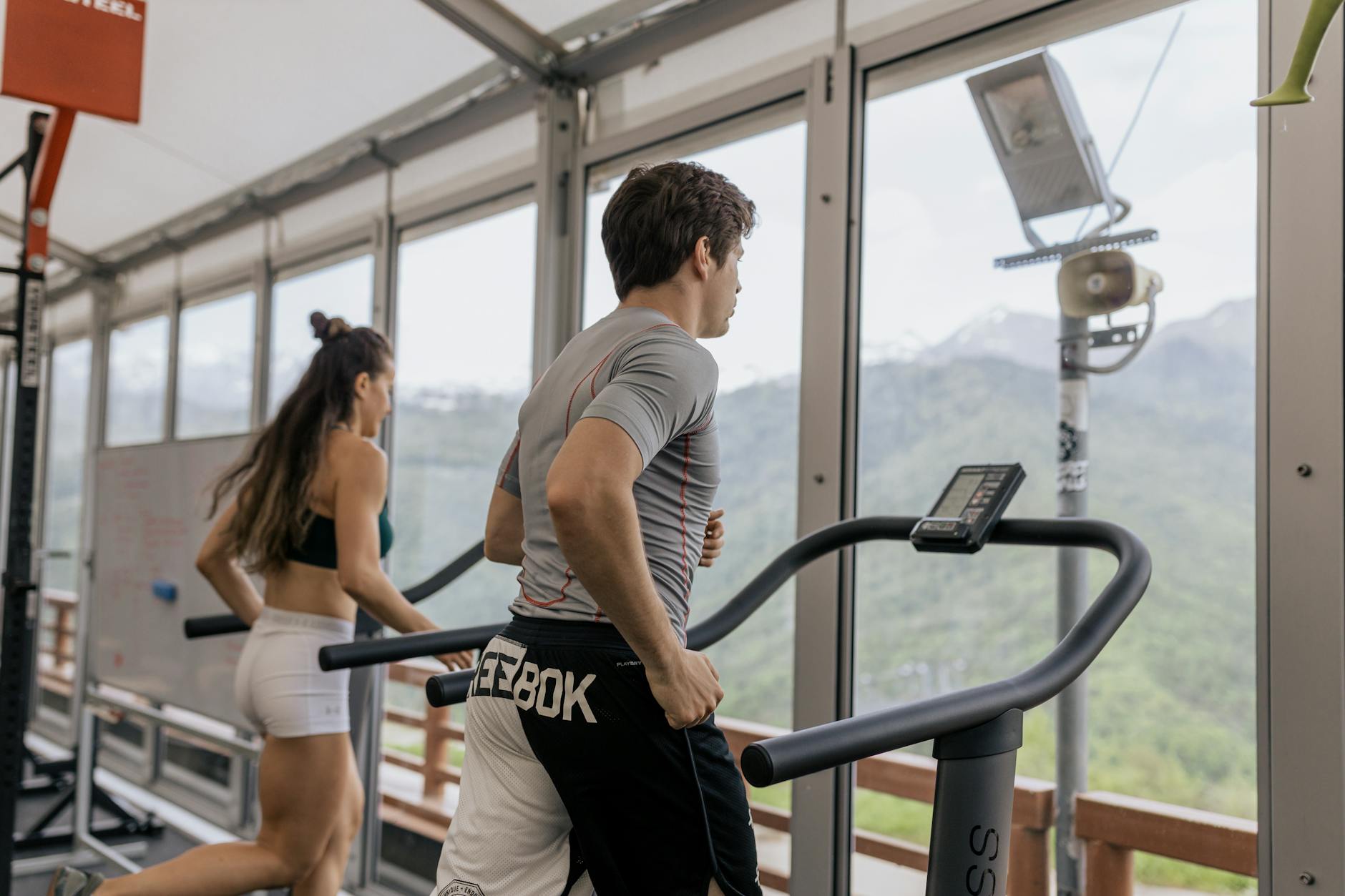
Finding the best running shoes for treadmill walk-run workouts requires understanding the unique demands this training style places on footwear. Unlike outdoor running or steady-state treadmill jogging, walk-run intervals create distinct biomechanical patterns that affect how shoes perform, wear, and support your feet throughout each session. The constant transitions between walking and running gaits mean your shoes must accommodate two different movement patterns, making versatility and cushioning priorities that outdoor-only runners might overlook. Walk-run training has gained significant traction among beginning runners, those returning from injury, and experienced athletes using interval protocols like the Galloway method.
This approach reduces injury risk while building cardiovascular endurance, but it also exposes footwear to repeated stress cycles as the foot moves between heel-striking walks and midfoot-to-forefoot running patterns. Many runners make the mistake of grabbing any athletic shoe for treadmill workouts, not realizing that indoor running surfaces and interval training create specific requirements for cushioning, breathability, and sole construction. This guide addresses the essential questions runners face when selecting treadmill-specific footwear for walk-run routines. By the end, you will understand how treadmill surfaces differ from outdoor terrain in terms of shoe wear, which cushioning technologies best support interval training, how to match shoe characteristics to your gait pattern, and what features separate adequate shoes from optimal choices. Whether you are new to walk-run protocols or looking to upgrade your current treadmill footwear, the information here will help you make an informed decision based on biomechanics, materials science, and practical training needs.
Table of Contents
- What Makes Running Shoes Different for Treadmill Walk-Run Workouts?
- Essential Cushioning Features for Treadmill Interval Training
- Stability and Support Requirements for Walk-Run Training
- Choosing the Right Upper Materials and Fit for Indoor Workouts
- Common Shoe Selection Mistakes and How to Avoid Them
- Matching Shoe Selection to Your Walk-Run Ratio and Intensity
- How to Prepare
- How to Apply This
- Expert Tips
- Conclusion
- Frequently Asked Questions
What Makes Running Shoes Different for Treadmill Walk-Run Workouts?
Treadmill surfaces interact with running shoes differently than asphalt, concrete, or trail surfaces. The belt’s consistent, slightly cushioned surface reduces some impact forces but creates increased friction and heat during the push-off phase of each stride. During walk-run workouts, this friction becomes more pronounced because the foot spends more time in contact with the belt during walking phases and generates heat through repeated acceleration during running intervals. Shoes designed primarily for outdoor use may overheat or show accelerated wear patterns when used extensively on treadmills.
The biomechanical differences between walking and running create unique demands on shoe construction. Walking involves a heel-to-toe rolling motion with the foot remaining relatively flat, while running introduces greater vertical oscillation and typically involves landing closer to the midfoot. Walk-run intervals require shoes that can accommodate both patterns without compromising support or cushioning in either mode. This means looking for shoes with adequate heel cushioning for walking phases, responsive midsole foam for running transitions, and flexibility through the forefoot that allows natural toe-off in both gaits.
- Treadmill belts generate 15-20% more friction than outdoor surfaces, increasing outsole temperature and wear
- Walk-run patterns stress the heel counter and midsole transition zone more than steady-state running
- Indoor environments reduce natural cooling, making breathable upper materials essential for foot health
- The consistent surface eliminates the proprioceptive challenges of outdoor running, allowing lighter, less protective shoes

Essential Cushioning Features for Treadmill Interval Training
Modern running shoe cushioning relies on various foam technologies, each offering different benefits for treadmill walk-run workouts. Traditional EVA foam provides reliable cushioning but compresses over time and may feel flat during longer sessions. Newer materials like Nike ZoomX, Adidas Boost, Brooks DNA Loft, and Saucony PWRRUN+ offer improved energy return and maintain their cushioning properties through thousands of impacts. For walk-run training, prioritizing cushioning that remains consistent across the full session matters more than maximum softness at the start.
The stack height””the total thickness of material between your foot and the ground””affects both cushioning feel and stability. Walk-run workouts generally benefit from moderate stack heights between 28-35mm in the heel and 20-27mm in the forefoot. This range provides sufficient protection during both phases without creating instability during walking or reducing ground feel during running. Extremely thick-soled maximalist shoes can feel awkward during walking intervals, while minimalist options may not provide enough protection for runners whose walk-run sessions extend beyond 30-40 minutes.
- Energy return percentages matter: aim for shoes with documented return rates above 60% for sustained cushioning
- Dual-density midsoles with firmer foam in the heel and softer foam in the forefoot accommodate both gaits effectively
- Cushioning degradation typically begins around 300-400 miles, with treadmill use potentially accelerating this timeline
- Heel-to-toe drop between 8-12mm supports natural gait transitions in most walk-run protocols
Stability and Support Requirements for Walk-Run Training
Foot stability during walk-run workouts differs from steady-state running because the repeated transitions between gaits challenge the foot’s positioning throughout each session. During walking, the foot has more time to pronate or supinate, potentially exaggerating any natural tendencies toward overpronation or underpronation. When transitioning into running, these tendencies may carry over, increasing injury risk if shoes do not provide appropriate guidance or support.
neutral runners””those whose feet neither excessively roll inward nor outward””can typically choose from the widest range of treadmill shoes. Those with mild to moderate overpronation benefit from stability shoes featuring medial posts or guide rails that help center the foot without forcing it into an unnatural position. Motion control shoes, designed for severe overpronation, may feel restrictive during walk-run intervals because they limit the natural foot movement required for comfortable walking phases. The controlled, predictable surface of a treadmill reduces the need for aggressive stability features compared to outdoor running on uneven terrain.
- Have your gait analyzed at a specialty running store or through video analysis before selecting stability levels
- Stability features add 0.5-1.5 ounces of weight but provide protection worth the trade-off for overpronators
- Guide rail systems offer more dynamic support than traditional medial posts for walk-run transitions
- Treadmill handrails can compensate temporarily for stability issues but should not replace properly supportive footwear
Choosing the Right Upper Materials and Fit for Indoor Workouts
Upper construction directly impacts comfort during treadmill sessions because indoor environments lack the natural airflow of outdoor running. Engineered mesh uppers with strategic ventilation zones allow heat and moisture to escape, keeping feet cooler and reducing the risk of blisters. Knit uppers provide a sock-like fit that moves with the foot during gait transitions, though some knit constructions sacrifice breathability for structure. For walk-run workouts lasting longer than 20-30 minutes, prioritizing ventilation over waterproofing or heavy overlays makes practical sense.
Fit considerations for treadmill shoes follow standard running shoe principles with a few adjustments. Leave approximately a thumb’s width between your longest toe and the front of the shoe to accommodate foot expansion during exercise. The heel should fit snugly without slipping, which becomes especially important during the varied speeds of walk-run training. Width options matter more than many runners realize””shoes that feel fine during walking may pinch during running phases when the foot expands under load. Many brands now offer standard, wide, and extra-wide options to accommodate different foot shapes.
- Replace insoles with aftermarket options if stock insoles feel flat or unsupportive for your arch type
- Seamless interior construction prevents hot spots during the extended contact time of walking phases
- Reflective elements add unnecessary weight for treadmill use; prioritize function over visibility features
- Consider sizing up half a size if your workouts occur later in the day when feet are naturally larger
Common Shoe Selection Mistakes and How to Avoid Them
The most frequent error in selecting treadmill walk-run shoes involves choosing based on appearance or brand loyalty rather than functional fit. Running shoe technology has evolved significantly, and models that worked well five years ago may have changed substantially or been replaced entirely. Each new shoe purchase should involve trying on multiple options and testing them through walking and running motions in the store, even if you previously loved a particular model. Another common mistake involves applying outdoor running shoe principles directly to treadmill use.
Trail shoes with aggressive lugs perform poorly on treadmill belts, wearing unevenly and potentially damaging the running surface. Racing flats designed for speed lack the cushioning needed for walk-run training sessions. Shoes with carbon fiber plates, while popular for road racing, can feel unstable during walking phases and may accelerate fatigue during mixed-intensity workouts. Additionally, many runners underestimate how quickly treadmill use degrades shoe cushioning””the consistent surface creates repetitive stress patterns that can compress midsole foam faster than varied outdoor terrain.
- Track your shoe mileage specifically, not just total workout time, to monitor cushioning degradation
- Rotating between two pairs of shoes extends the life of both by allowing foam to recover between sessions
- Avoid using dedicated treadmill shoes for outdoor runs or cross-training to preserve their specific benefits
- Do not assume expensive shoes are automatically better; mid-range options often provide optimal value for walk-run training
Matching Shoe Selection to Your Walk-Run Ratio and Intensity
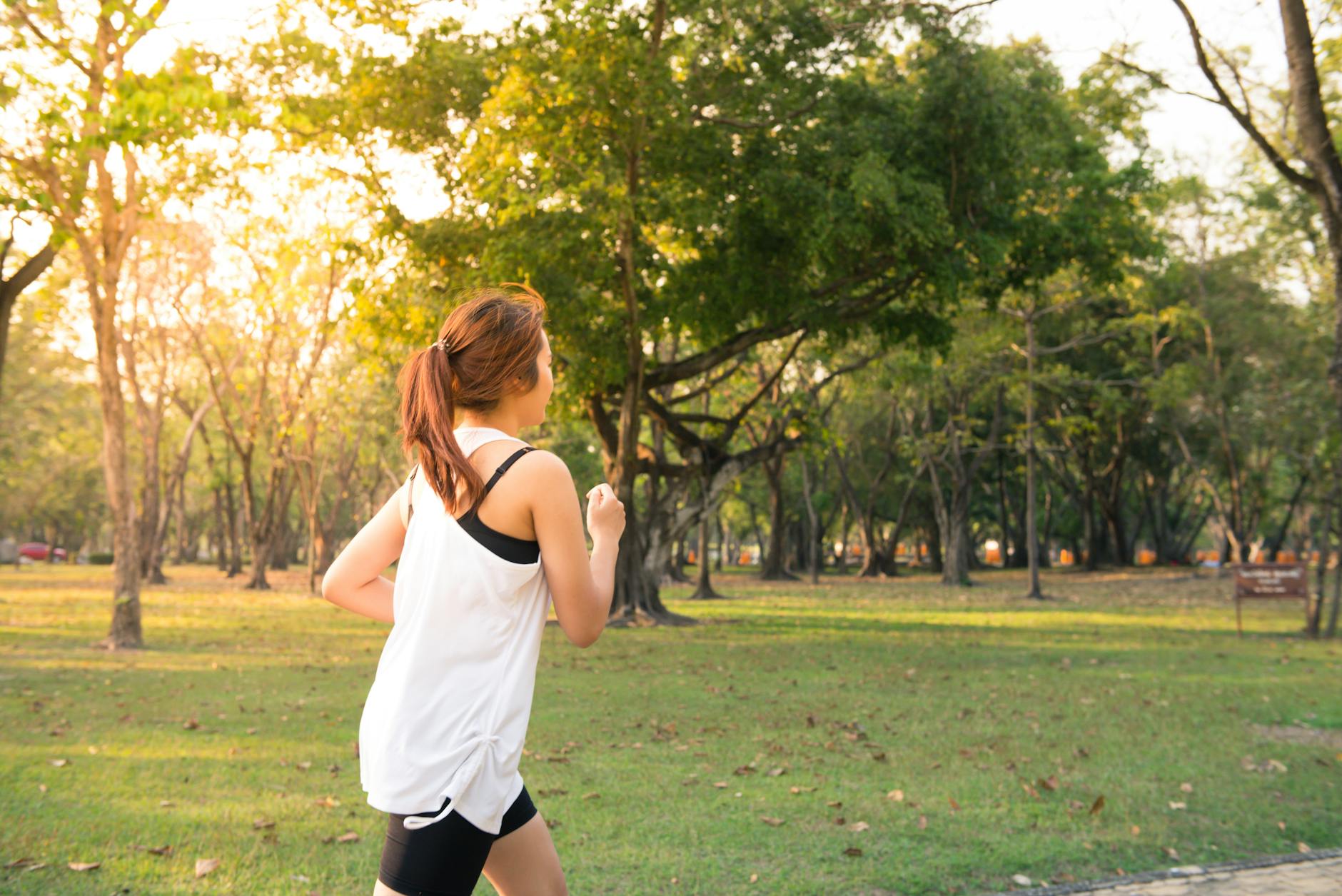
The specific walk-run ratio you use should influence your shoe selection. Runners using protocols with longer walking intervals, such as 1:3 or 1:4 run-to-walk ratios, benefit from shoes with slightly more heel cushioning and flexible forefeet that accommodate the rolling gait of walking. Those using more run-dominant ratios like 4:1 or 5:1 can lean toward traditional running shoes with moderate cushioning and responsive midsoles designed for continuous forward motion.
Workout intensity also matters. Higher-intensity intervals that approach tempo pace during running segments benefit from lighter, more responsive shoes with less cushioning but better ground feel. Recovery-focused walk-run sessions where both phases remain at conversational effort levels can accommodate softer, more cushioned options that prioritize comfort over performance. Some athletes maintain two pairs of treadmill shoes””one for easier sessions emphasizing comfort and one for harder workouts prioritizing responsiveness””allowing them to match footwear to training goals.
How to Prepare
- **Assess your current foot health and any existing conditions.** Note whether you have high arches, flat feet, bunions, plantar fasciitis, or other issues that might require specific shoe features. Previous injuries often indicate areas where additional support or cushioning may help prevent recurrence.
- **Determine your gait type through analysis.** Visit a specialty running store offering free gait analysis, use a smartphone slow-motion camera to record yourself running on a treadmill, or consult a sports medicine professional. Understanding whether you overpronate, supinate, or run with a neutral gait guides you toward appropriate stability levels.
- **Measure your feet accurately.** Foot size can change over time, and many adults assume their size remains constant from young adulthood. Measure both feet while standing, later in the day when feet are largest, and use the larger measurement when selecting shoe size.
- **Calculate your training volume and intensity.** Document how many days per week you use the treadmill, average session duration, and the walk-run ratio you follow. This information helps determine appropriate cushioning levels and how frequently you will need to replace shoes.
- **Set a realistic budget based on usage frequency.** Runners using treadmills 3-4 times weekly should expect to replace shoes every 4-6 months. Factor replacement costs into your budget rather than defaulting to the cheapest option, which often costs more over time due to faster degradation and potential injury risk.
How to Apply This
- **Visit a specialty running store rather than a general sporting goods retailer.** Specialty stores employ trained staff who can observe your gait, recommend appropriate options, and ensure proper fit. Many allow returns or exchanges after test runs, providing a safety net if your initial selection proves unsuitable.
- **Test candidate shoes using walk-run intervals.** Once you have narrowed choices to 2-3 pairs, spend at least 5-10 minutes in each alternating between walking and running to simulate actual workout conditions. Pay attention to heel lock, forefoot room, and how cushioning feels during transitions between gaits.
- **Introduce new shoes gradually into your training rotation.** Wear new shoes for shorter sessions initially, even if they feel comfortable immediately. This allows your feet and legs to adapt while revealing any fit issues before they cause injury during longer workouts.
- **Establish a replacement schedule based on mileage rather than time.** Log the distance covered in each session and plan to evaluate shoe condition at 300-350 miles. Check midsole compression by pressing on the foam””if it does not spring back quickly or feels noticeably flatter than when new, replacement time has arrived.
Expert Tips
- **Break in shoes during walking phases first.** New shoes often need 15-25 miles before reaching optimal comfort. Use walk-dominant sessions initially, then gradually increase running intervals as the upper conforms to your foot shape.
- **Pay attention to toe box volume, not just length and width.** Some runners have high-volume feet that require more vertical space in the toe area. Shoes that feel adequate in length but cause pressure on top of the toes will become painful during longer sessions.
- **Use lock lacing for heel security during transitions.** The runner’s loop or heel lock lacing technique creates additional friction in the lacing system, preventing heel slippage that commonly occurs when switching from walking to running speeds.
- **Consider the treadmill surface when evaluating wear patterns.** Rubber treadmill belts cause different outsole wear than asphalt. Interior outsole wear does not necessarily indicate overpronation as it might outdoors””it may simply reflect the belt’s friction characteristics.
- **Store treadmill shoes away from heat sources.** Post-workout shoes should air dry at room temperature. Placing them near heating vents or in direct sunlight degrades foam cushioning and can warp upper materials, reducing both comfort and support.
Conclusion
Selecting the best running shoes for treadmill walk-run workouts requires balancing cushioning, stability, breathability, and durability in ways that differ from outdoor shoe selection. The controlled environment of treadmill training allows you to prioritize lightweight construction and ventilation while the walk-run format demands versatile shoes that perform well at both paces. Understanding your gait, matching shoe features to your specific training protocol, and maintaining realistic replacement schedules will keep your feet healthy and your workouts productive.
The investment in proper footwear pays dividends beyond immediate comfort. Appropriate shoes reduce injury risk, improve workout quality, and make training more enjoyable””factors that contribute to consistency, which ultimately drives fitness progress. Take time to research, try multiple options, and trust how shoes feel during actual walk-run testing rather than relying solely on specifications or reviews. Your feet will guide you toward the right choice when you give them adequate information through proper testing.
Frequently Asked Questions
How long does it typically take to see results?
Results vary depending on individual circumstances, but most people begin to see meaningful progress within 4-8 weeks of consistent effort. Patience and persistence are key factors in achieving lasting outcomes.
Is this approach suitable for beginners?
Yes, this approach works well for beginners when implemented gradually. Starting with the fundamentals and building up over time leads to better long-term results than trying to do everything at once.
What are the most common mistakes to avoid?
The most common mistakes include rushing the process, skipping foundational steps, and failing to track progress. Taking a methodical approach and learning from both successes and setbacks leads to better outcomes.
How can I measure my progress effectively?
Set specific, measurable goals at the outset and track relevant metrics regularly. Keep a journal or log to document your journey, and periodically review your progress against your initial objectives.
When should I seek professional help?
Consider consulting a professional if you encounter persistent challenges, need specialized expertise, or want to accelerate your progress. Professional guidance can provide valuable insights and help you avoid costly mistakes.
What resources do you recommend for further learning?
Look for reputable sources in the field, including industry publications, expert blogs, and educational courses. Joining communities of practitioners can also provide valuable peer support and knowledge sharing.
2 thoughts on “Best Running Shoes for Treadmill Walk-Run Workouts”
Comments are closed.