
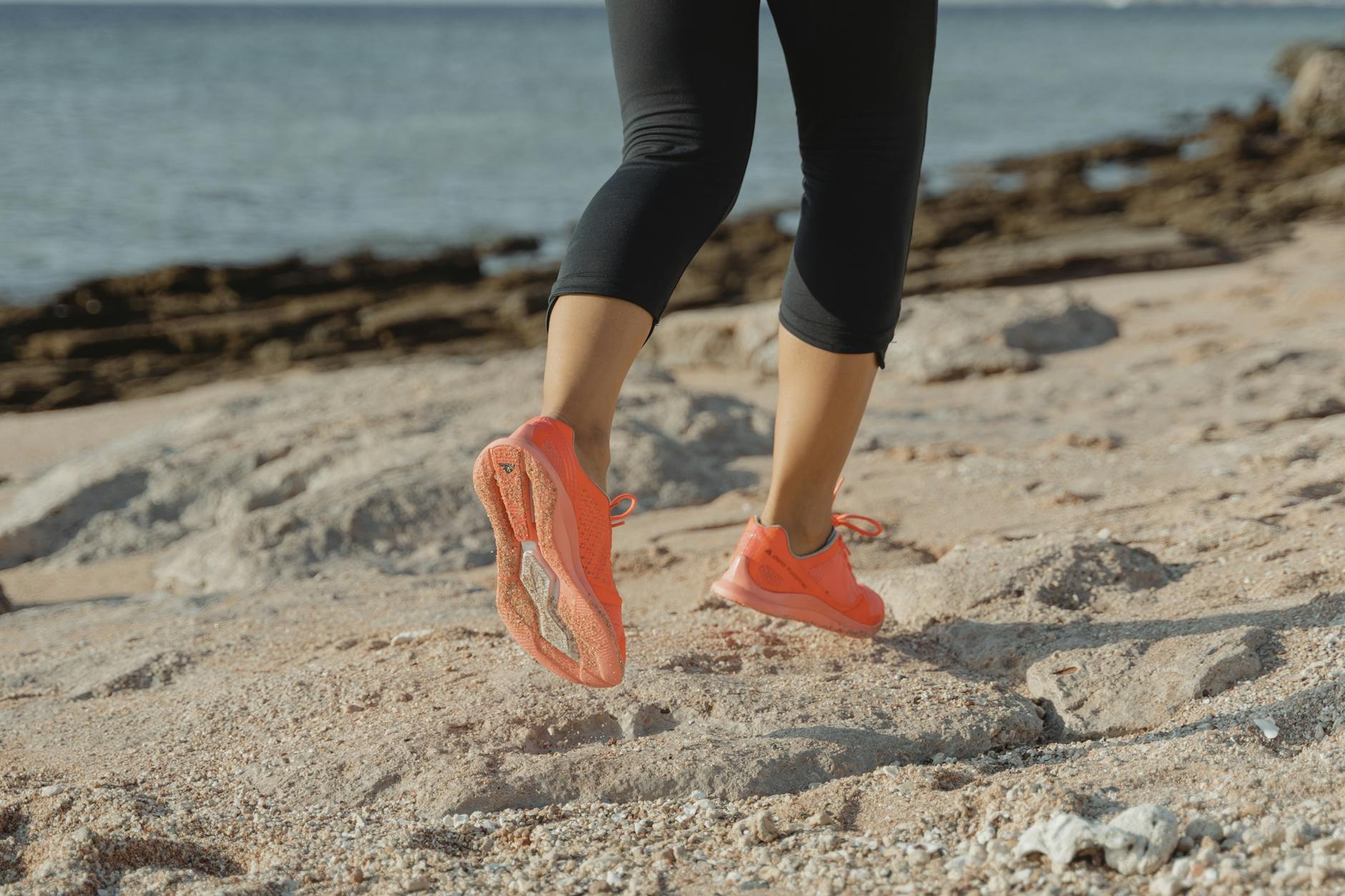
Premium running shoes worth the investment for treadmill use represent a distinct category of footwear that serious indoor runners should understand before making purchasing decisions. While any athletic shoe might technically work on a treadmill, the consistent surface and repetitive motion of belt running create specific demands that quality footwear addresses in meaningful ways. The difference between a budget shoe and a premium option becomes apparent over hundreds of miles, affecting everything from joint health to workout consistency. Treadmill running differs fundamentally from outdoor running in ways that directly impact shoe selection.
The belt provides uniform cushioning and eliminates terrain variability, but it also creates a predictable impact pattern that can accelerate wear in certain areas. Runners who log significant indoor miles often find their shoes breaking down faster in the heel and forefoot regions where the belt contact concentrates force. This repetitive stress makes durability and cushioning technology particularly relevant for treadmill-focused footwear purchases. By the end of this article, readers will understand the specific features that justify premium pricing in treadmill running shoes, how to evaluate whether higher-end options match their training needs, and which technological innovations actually deliver measurable benefits versus those that amount to marketing. The goal is to provide a framework for making informed decisions rather than simply recommending the most expensive options available.
Table of Contents
- Why Are Premium Treadmill Running Shoes Worth the Higher Price Tag?
- Key Features That Define Premium Running Shoes for Indoor Training
- How Treadmill Running Affects Shoe Wear Patterns Differently
- Selecting the Right Premium Shoe Investment for Your Treadmill Workouts
- Common Mistakes When Investing in Premium Treadmill Footwear
- The Role of Shoe Technology in Treadmill Training Consistency
- How to Prepare
- How to Apply This
- Expert Tips
- Conclusion
- Frequently Asked Questions
Why Are Premium Treadmill Running Shoes Worth the Higher Price Tag?
The price gap between entry-level and premium running shoes typically ranges from $80 to $150, which raises legitimate questions about value. Premium treadmill running shoes justify their cost primarily through three factors: advanced cushioning compounds, superior construction quality, and research-backed biomechanical features. Brands like Nike, ASICS, Brooks, and New Balance invest heavily in proprietary foam technologies that maintain their responsive properties over extended mileage, whereas budget foams compress permanently after 200-300 miles.
Cushioning longevity matters significantly for treadmill runners because the controlled environment often encourages higher weekly mileage. A runner logging 30 miles per week will cycle through shoe cushioning faster than someone running 15 miles weekly on varied terrain. Premium shoes using nitrogen-infused foams, carbon-plated midsoles, or dual-density cushioning systems typically retain 80% of their energy return characteristics beyond 400 miles, while lower-tier options may lose noticeable responsiveness by 250 miles.
- **Midsole compound quality**: Premium shoes use foams like Nike ZoomX, Adidas Lightstrike Pro, or Brooks DNA Loft that resist compression set
- **Upper construction**: Higher-end models feature engineered mesh and seamless overlays that reduce friction points during repetitive motion
- **Outsole durability**: Quality rubber compounds withstand the abrasive nature of treadmill belts without excessive wear patterns
Key Features That Define Premium Running Shoes for Indoor Training
Understanding what separates premium footwear from standard options requires examining specific technological components rather than relying on brand reputation alone. The midsole represents the primary value driver, with advanced options incorporating multiple foam densities, geometric plate systems, or proprietary cushioning technologies that demonstrably affect running economy. Laboratory testing shows that premium cushioning can improve running economy by 1-4%, which translates to meaningful performance differences over longer efforts.
Treadmill-specific considerations include heat dissipation and moisture management, since indoor running environments typically generate more foot perspiration than outdoor sessions. Premium uppers incorporate ventilation channels, moisture-wicking liners, and antimicrobial treatments that maintain comfort during extended workouts. The absence of weather protection requirements in treadmill shoes allows designers to prioritize breathability without compromise, making indoor-focused premium options notably different from their trail or all-weather counterparts.
- **Energy return ratings**: Premium shoes often publish energy return percentages, with top models achieving 85-90% compared to 60-70% in budget options
- **Stack height options**: Higher-end lines offer varied stack heights within the same cushioning technology, allowing runners to match shoe geometry to their gait
- **Weight-to-cushioning ratio**: Premium foams provide equivalent protection at 15-25% less weight than previous-generation materials
How Treadmill Running Affects Shoe Wear Patterns Differently
The biomechanics of treadmill running create distinct wear patterns that inform smart purchasing decisions for indoor athletes. Research from biomechanics laboratories indicates that treadmill belts pull the foot backward slightly during stance phase, increasing stress on the forefoot region compared to overground running. This mechanical difference means treadmill runners often see accelerated wear under the metatarsal heads, making forefoot cushioning durability a priority consideration.
Temperature also plays an underappreciated role in treadmill shoe degradation. Rubber outsoles and foam midsoles perform differently at elevated temperatures, and the friction between shoe and belt can generate localized heat during longer sessions. Premium shoes account for this through heat-resistant rubber compounds and foam formulations that maintain structural integrity across temperature ranges. Budget options may soften excessively during extended efforts, temporarily altering the shoe’s cushioning profile and stability characteristics.
- **Consistent impact loading**: Treadmill running eliminates the varied forces from uneven terrain, concentrating stress in predictable locations
- **Reduced lateral stress**: The straight-line nature of belt running decreases demands on lateral support features, shifting priority toward forward-motion efficiency
Selecting the Right Premium Shoe Investment for Your Treadmill Workouts
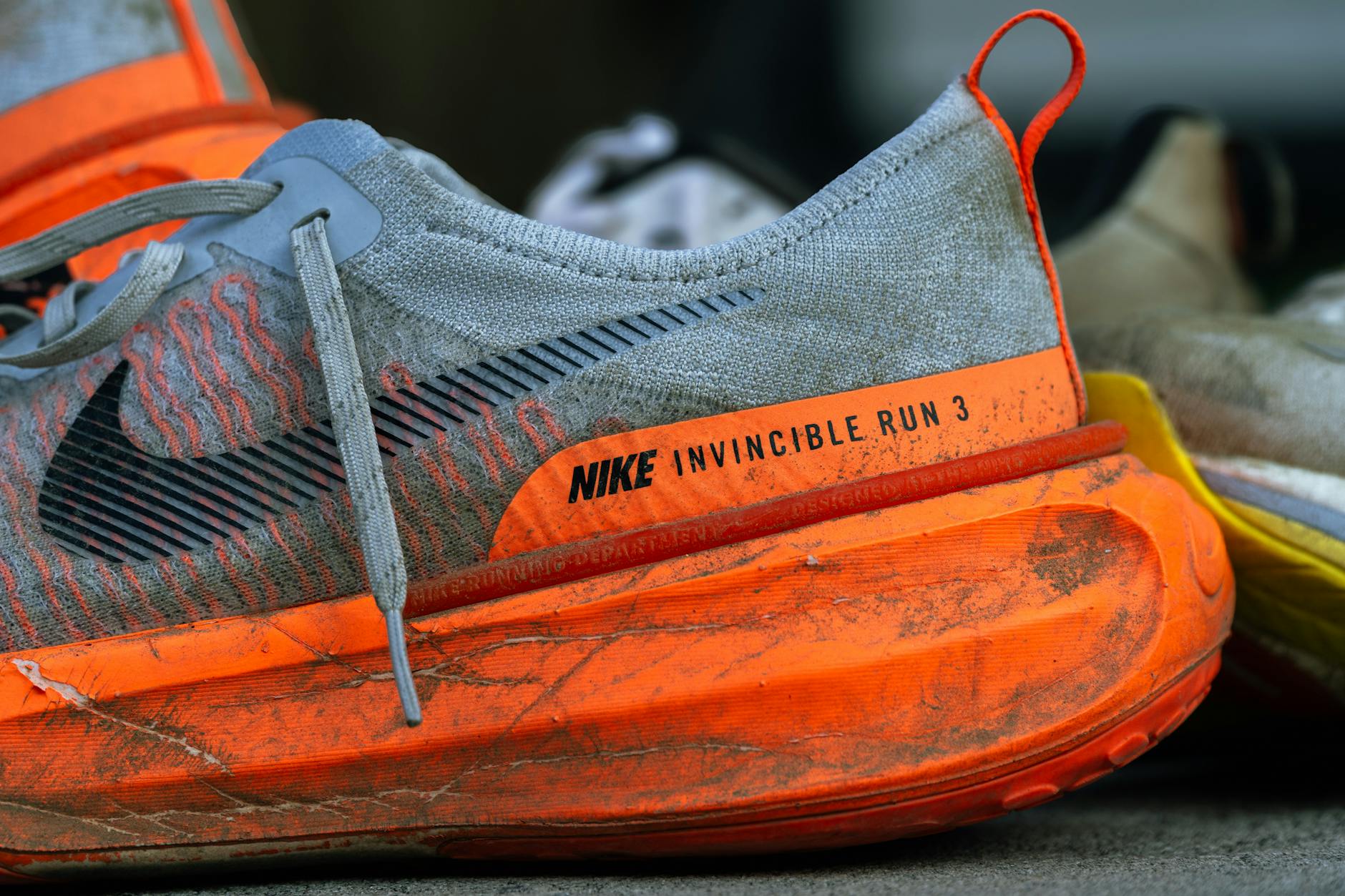
Matching premium shoe features to individual training patterns maximizes the value of a higher investment. Runners who primarily use treadmills for easy-paced recovery runs have different requirements than those performing interval sessions or tempo efforts on the belt. High-cushion, lower-drop options suit steady-state running, while more responsive, lighter-weight premium shoes benefit speed work despite potentially shorter overall lifespan.
Foot type and running gait remain relevant regardless of running surface. Pronation control features, neutral platform designs, and arch support requirements apply equally to treadmill running, though the predictable surface may slightly reduce the need for aggressive stability elements. Runners with known biomechanical considerations should maintain those priorities when selecting premium indoor shoes rather than assuming the controlled environment negates their structural needs.
- **Training composition analysis**: Evaluate what percentage of treadmill time involves easy runs versus workouts to guide shoe category selection
- **Rotation strategy**: Premium shoes last longer when rotated with a secondary pair, allowing foam recovery between sessions
- **Break-in period consideration**: Higher-end shoes often require 20-30 miles for materials to reach optimal performance characteristics
Common Mistakes When Investing in Premium Treadmill Footwear
The most frequent error buyers make involves prioritizing brand prestige over functional fit. Premium price tags do not guarantee compatibility with individual foot shapes, and a $180 shoe that causes blisters or pressure points performs worse than an $80 option that fits properly. Reputable running specialty stores offer gait analysis and sizing expertise that helps match premium technology to individual biomechanics, representing time well spent before committing to expensive purchases.
Another common mistake involves applying outdoor shoe selection criteria directly to treadmill purchases. Features like aggressive tread patterns, weather-resistant membranes, and reinforced toe caps add weight and cost while providing zero benefit on a treadmill belt. Some premium shoes marketed as versatile options include these elements, effectively charging treadmill runners for capabilities they will never use. Purpose-built indoor training shoes from premium lines often deliver better value than flagship models designed for multiple surfaces.
- **Overbuying cushioning**: Maximum cushioning suits some runners but can feel unstable or sluggish for others, regardless of price
- **Ignoring replacement timing**: Even premium shoes require replacement after 400-500 miles; quality construction delays but does not eliminate this necessity

The Role of Shoe Technology in Treadmill Training Consistency
Consistency represents the foundation of fitness improvement, and equipment that supports regular training provides value beyond its immediate performance characteristics. Premium running shoes designed for treadmill use reduce the minor discomforts and injury risks that interrupt training cycles. Over a year of regular running, avoiding even one two-week injury layoff delivers fitness benefits that exceed any direct performance enhancement from shoe technology.
The psychological component deserves acknowledgment as well. Runners who invest in quality equipment often demonstrate higher commitment to training programs, though correlation and causation remain debatable. What matters more concretely is that premium shoes fitting properly and performing consistently remove potential excuses and barriers, supporting the behavioral regularity that produces results.
How to Prepare
- **Document your current shoe performance**: Track when your existing shoes were purchased and at what mileage you notice decreased cushioning or developing aches, establishing a personal baseline for replacement timing and feature priorities.
- **Analyze your training distribution**: Calculate the percentage of your running that occurs on treadmills versus other surfaces, as runners spending more than 70% of their time indoors benefit most from treadmill-optimized features.
- **Assess your biomechanical needs**: Have a gait analysis performed at a specialty running store or review any previous assessments to identify pronation patterns, arch height, and other factors that narrow suitable shoe categories.
- **Research current technology offerings**: Examine the specific cushioning technologies, stack heights, and weight specifications across premium options within your identified category, creating a shortlist of candidates.
- **Test before committing**: Most specialty stores allow treadmill testing of shoes before purchase, providing crucial feedback about fit and feel that cannot be evaluated through online reviews alone.
How to Apply This
- **Establish a rotation system**: Purchase two complementary premium shoes and alternate between them, extending the lifespan of both pairs while allowing foam recovery between runs.
- **Track mileage precisely**: Use a running app or log to monitor accumulated miles on each pair, scheduling replacement based on actual usage rather than calendar time.
- **Match shoes to workouts**: Use your more cushioned option for easy runs and long efforts while reserving lighter, more responsive shoes for interval and tempo sessions.
- **Evaluate performance quarterly**: Assess whether your premium shoes continue meeting expectations, noting any changes in comfort or developing wear patterns that suggest approaching replacement needs.
Expert Tips
- **Request last-season models**: Premium shoes from previous seasons often sell at 30-40% discounts while offering identical or nearly identical technology, maximizing value.
- **Prioritize heel counter fit**: The rigid heel cup should hold your foot securely without pressure points, as this area experiences concentrated stress during treadmill running and cannot be modified through break-in.
- **Consider stack height carefully**: Runners transitioning from lower-profile shoes should increase stack height gradually, as the altered proprioception from heavily cushioned options requires neuromuscular adaptation.
- **Evaluate insole compatibility**: Premium shoes with removable insoles accommodate custom orthotics without compromising fit, important for runners with prescribed or preferred aftermarket footbeds.
- **Test at training temperatures**: If possible, try shoes after your gym has reached operating temperature, as both foot swelling and shoe material behavior differ in climate-controlled environments versus outdoor conditions.
Conclusion
Investing in premium running shoes for treadmill use makes financial and physical sense for runners who accumulate meaningful indoor mileage and prioritize long-term joint health alongside workout quality. The technology embedded in higher-end footwear delivers measurable differences in cushioning longevity, energy return, and fit precision that budget options cannot replicate. However, premium pricing does not automatically equal premium suitability, making informed selection based on individual needs essential to realizing the potential benefits.
Moving forward, runners should approach shoe purchases as equipment decisions rather than fashion choices, applying the same analytical thinking used for other training investments. The right premium shoe matched to your gait, training style, and treadmill habits will support consistent training and reduce injury risk over hundreds of miles. That durability and protection ultimately represents the value proposition worth evaluating when deciding whether higher-end treadmill running shoes merit their place in your fitness budget.
Frequently Asked Questions
How long does it typically take to see results?
Results vary depending on individual circumstances, but most people begin to see meaningful progress within 4-8 weeks of consistent effort. Patience and persistence are key factors in achieving lasting outcomes.
Is this approach suitable for beginners?
Yes, this approach works well for beginners when implemented gradually. Starting with the fundamentals and building up over time leads to better long-term results than trying to do everything at once.
What are the most common mistakes to avoid?
The most common mistakes include rushing the process, skipping foundational steps, and failing to track progress. Taking a methodical approach and learning from both successes and setbacks leads to better outcomes.
How can I measure my progress effectively?
Set specific, measurable goals at the outset and track relevant metrics regularly. Keep a journal or log to document your journey, and periodically review your progress against your initial objectives.
When should I seek professional help?
Consider consulting a professional if you encounter persistent challenges, need specialized expertise, or want to accelerate your progress. Professional guidance can provide valuable insights and help you avoid costly mistakes.
What resources do you recommend for further learning?
Look for reputable sources in the field, including industry publications, expert blogs, and educational courses. Joining communities of practitioners can also provide valuable peer support and knowledge sharing.