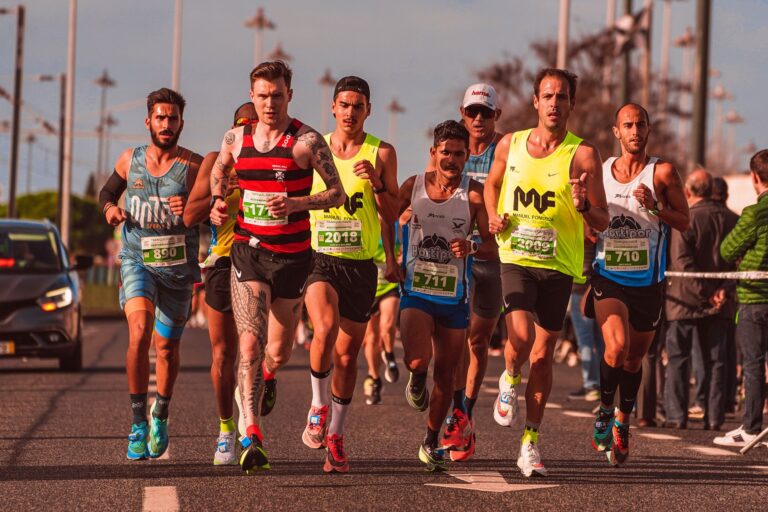
Understanding the difference between moving and training after 40 represents one of the most critical mindset shifts for runners and fitness enthusiasts entering their fifth decade. Many people who maintained active lifestyles throughout their twenties and thirties discover that their familiar routines no longer produce the same results, leaving them frustrated, injured, or both. The distinction between simply moving your body and strategically training it becomes increasingly important as physiological changes alter how the body responds to exercise stress. The problem facing many runners over 40 is not a lack of effort or dedication.
Instead, it stems from applying younger training philosophies to an older body that now operates under different rules. General physical activity, while beneficial, cannot address the specific adaptations needed to maintain running performance, prevent injury, and support long-term cardiovascular health. Without understanding this distinction, well-intentioned athletes often find themselves either doing too much of the wrong things or not enough of the right things. By the end of this article, readers will understand the fundamental physiological differences that make training after 40 unique, learn how to distinguish between movement for health maintenance and training for performance adaptation, and gain practical strategies for designing an age-appropriate running program. This knowledge forms the foundation for sustainable fitness that can last decades rather than months, allowing runners to continue pursuing their passion well into their later years.
Table of Contents
- Why Does Training After 40 Require a Different Approach Than Simply Moving?
- Physiological Changes That Affect Running Performance in Your Forties
- How Movement Maintains Health While Training Builds Fitness
- Building a Training Program That Accounts for Age-Related Recovery Needs
- Common Mistakes Runners Over 40 Make When Confusing Movement With Training
- The Role of Cross-Training in Maintaining Fitness After 40
- How to Prepare
- How to Apply This
- Expert Tips
- Conclusion
- Frequently Asked Questions
Why Does Training After 40 Require a Different Approach Than Simply Moving?
The human body undergoes measurable physiological changes beginning around age 35 that accelerate throughout the forties and beyond. Maximum heart rate decreases by approximately 0.7 beats per minute per year, VO2 max declines by roughly 10% per decade without intervention, and muscle mass naturally decreases by 3-8% per decade after age 30 in a process called sarcopenia. These changes mean that the same running routine that worked at 32 will not produce identical results at 45, regardless of effort or consistency. Movement, in its broadest sense, refers to any physical activity that gets the body out of a sedentary state. Walking the dog, taking the stairs, gardening, or going for an easy jog all qualify as movement.
These activities provide genuine health benefits, including improved cardiovascular markers, better blood sugar regulation, and enhanced mood. However, movement alone lacks the progressive overload, specificity, and periodization required to drive meaningful fitness adaptations in a body that has become more resistant to change. Training, by contrast, involves systematic stress application followed by adequate recovery to produce specific physiological adaptations. For runners over 40, this means deliberately targeting declining capacities like fast-twitch muscle fiber recruitment, lactate threshold pace, and connective tissue resilience. The key distinctions include:.
- **Intentionality**: Training follows a structured plan designed to achieve specific outcomes, while movement is often spontaneous or habitual
- **Progressive overload**: Training systematically increases demands over time, while movement typically remains at comfortable, familiar levels
- **Recovery integration**: Training accounts for the extended recovery times needed after 40, while movement patterns often ignore this critical variable

Physiological Changes That Affect Running Performance in Your Forties
The cardiovascular system experiences several changes that directly impact running capacity after 40. Arterial stiffness increases, reducing the efficiency of blood flow during exercise. The left ventricle of the heart becomes slightly less compliant, affecting its ability to fill completely between beats. Research published in the Journal of Applied Physiology found that masters athletes who maintained high-intensity training preserved significantly more cardiovascular function than those who only performed moderate exercise, suggesting that training intensity matters more than volume for maintaining heart health. Hormonal shifts also play a substantial role in how the body responds to exercise stress. Testosterone levels in men decline approximately 1-2% annually after age 30, affecting muscle protein synthesis and recovery capacity.
Women approaching or experiencing menopause face fluctuating and eventually declining estrogen levels, which influence everything from bone density to thermoregulation during exercise. These hormonal changes mean that recovery from hard efforts takes longer, and the body requires more deliberate stimulus to maintain existing fitness levels. Connective tissue changes represent perhaps the most underappreciated factor in training after 40. Tendons lose elasticity and water content, becoming more susceptible to overuse injuries. Cartilage in weight-bearing joints may show wear patterns that alter running mechanics. The practical implications include:.
- **Longer warm-up requirements**: Cold tendons and muscles need 10-15 minutes of gradual activity before high-intensity work
- **Greater emphasis on mobility work**: Joint range of motion requires active maintenance through dynamic stretching and mobility exercises
- **Modified training surfaces**: Softer surfaces like trails or tracks reduce repetitive impact stress on aging joints
How Movement Maintains Health While Training Builds Fitness
The health benefits of regular movement are well-documented and should not be dismissed. Studies consistently show that individuals who accumulate 150-300 minutes of moderate physical activity weekly have lower rates of cardiovascular disease, type 2 diabetes, certain cancers, and all-cause mortality. For runners over 40, movement days serve an essential purpose in maintaining overall health without adding training stress that delays recovery from harder sessions. The distinction becomes clearer when examining specific physiological markers. Movement at conversational pace primarily develops aerobic base through capillary density improvements and mitochondrial function.
It burns calories, manages stress hormones, and supports metabolic health. However, it does little to maintain running economy, preserve fast-twitch muscle fibers, or push back against age-related declines in speed and power. A runner who only moves will gradually slow down, even if they log impressive weekly mileage. Training sessions specifically designed for runners over 40 target the capacities most vulnerable to age-related decline. Speed work, tempo runs, hill repeats, and strength training all fall into the training category because they impose specific stress that forces adaptation. The balance between movement and training becomes the art of programming:.
- **Movement days** provide active recovery, maintain aerobic base, and allow physiological systems to adapt to previous training stress
- **Training days** push specific systems beyond their current capacity, creating the stimulus for improvement or maintenance of higher-level fitness
Building a Training Program That Accounts for Age-Related Recovery Needs
Designing an effective training program after 40 requires accepting that recovery is now a performance variable rather than an afterthought. Research on masters athletes consistently shows that older runners can still perform high-quality training sessions, but they need more time between hard efforts to fully absorb the training stimulus. A study in the European Journal of Sport Science found that masters runners required 48-72 hours between high-intensity sessions compared to 24-48 hours for younger athletes. The practical application involves restructuring the training week around hard-easy principles taken to their logical conclusion.
Rather than the traditional seven-day training week, many successful masters runners operate on 9-10 day cycles that allow for genuine recovery between quality sessions. This might look like one tempo run, one interval session, and one long run spread across ten days, with the remaining days devoted to easy movement, cross-training, or complete rest. Periodization also requires modification for the over-40 athlete. Building fitness more gradually with longer base phases and more conservative mileage increases reduces injury risk while still driving adaptation. Key considerations include:.
- **Volume increases**: Limit weekly mileage increases to 5% rather than the traditional 10% rule
- **Deload frequency**: Schedule recovery weeks every third week rather than every fourth
- **Intensity distribution**: Follow an 80/20 polarized model where 80% of training falls below aerobic threshold and only 20% occurs at higher intensities
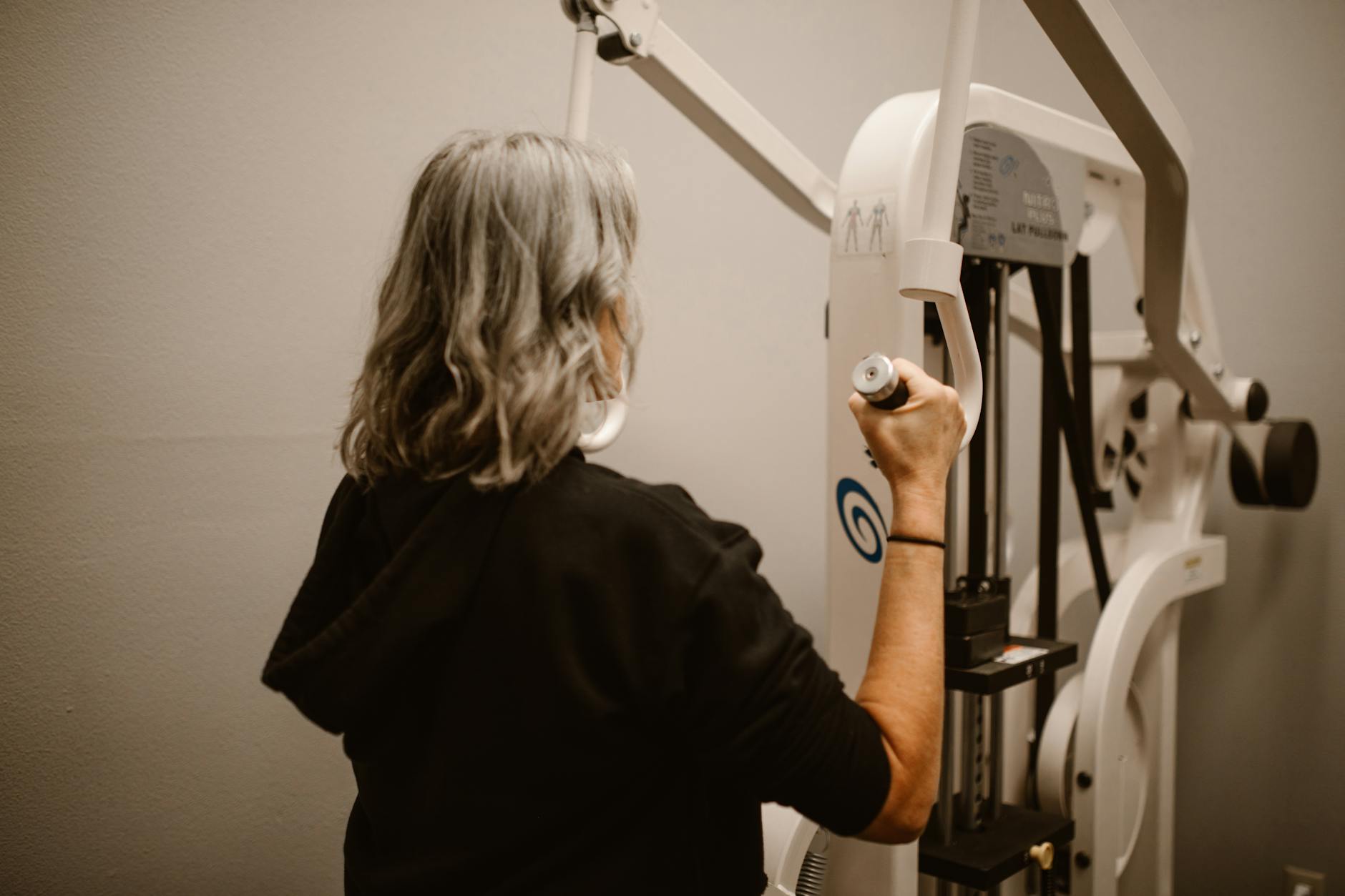
- **Strength training integration**: Include two sessions per week focusing on single-leg exercises, hip stability, and posterior chain development
Common Mistakes Runners Over 40 Make When Confusing Movement With Training
The most prevalent error involves accumulating junk miles at moderate intensity day after day. This approach provides enough stress to delay recovery but insufficient stimulus to drive adaptation, creating a frustrating plateau where fitness stagnates despite consistent effort. Many runners mistake fatigue for productive training, believing that feeling tired means they are improving. The reality is that chronic moderate stress often leads to overtraining syndrome, which becomes increasingly difficult to recover from with age.
Another common mistake involves neglecting strength training in favor of more running volume. After 40, the body loses muscle mass unless given specific reason to maintain it. Running alone does not provide sufficient stimulus to preserve the fast-twitch muscle fibers responsible for speed, hill climbing ability, and injury resistance. Studies show that runners who add two strength sessions weekly maintain more muscle mass, experience fewer injuries, and perform better in races than those who only run. Additional pitfalls include:.
- **Ignoring sleep quality**: Growth hormone release and tissue repair primarily occur during deep sleep, which naturally decreases with age. Prioritizing 7-9 hours becomes non-negotiable for training adaptation
- **Skipping the warm-up**: Rushing into hard efforts without adequate preparation dramatically increases injury risk in tissues that have lost elasticity
- **Comparing to younger self**: Using previous personal records or training volumes as benchmarks creates unrealistic expectations that lead to overtraining or discouragement
- **Neglecting nutrition timing**: Protein intake within 30-60 minutes post-workout becomes more important as muscle protein synthesis efficiency declines with age

The Role of Cross-Training in Maintaining Fitness After 40
Cross-training takes on heightened importance for runners over 40 because it allows cardiovascular training to continue while reducing impact stress on joints and connective tissue. Activities like cycling, swimming, rowing, and elliptical training maintain aerobic fitness without the repetitive loading that leads to overuse injuries in aging tissues. Many elite masters runners incorporate two or more cross-training sessions weekly, viewing them as essential training rather than replacement for days when they cannot run.
The psychological benefits of cross-training deserve mention as well. After decades of running, some athletes experience mental staleness from repetitive training. Variety in training modalities keeps the mind engaged while still building fitness. Pool running, in particular, offers an excellent option for maintaining running-specific fitness during injury recovery or planned impact reduction phases, allowing runners to perform interval and tempo work without ground contact forces.
How to Prepare
- **Get a comprehensive health assessment**: Before intensifying training, obtain medical clearance including cardiovascular screening, especially if you have been relatively sedentary or have risk factors. This establishes a baseline and identifies any limitations that should inform program design.
- **Assess current fitness honestly**: Perform benchmark tests including a timed one-mile run, basic strength assessments like single-leg squats and planks, and flexibility measurements. Record these numbers without judgment as starting points for measuring progress.
- **Build or rebuild aerobic base**: Spend 6-8 weeks running at conversational pace only, gradually increasing volume to establish the foundation for harder training. This base phase allows connective tissue to adapt to increased stress and prepares the cardiovascular system for intensity.
- **Establish strength training habit**: Begin with two sessions weekly focusing on bodyweight exercises and light resistance. Master movement patterns like squats, lunges, hip hinges, and single-leg balance before adding significant load.
- **Create accountability structures**: Whether through a coach, training partner, or detailed training log, establish systems that help you follow the plan rather than defaulting to old habits. The psychological discipline required to rest on recovery days often proves more challenging than completing hard workouts.
How to Apply This
- **Implement a polarized training distribution**: Calculate your total weekly training time and ensure approximately 80% occurs at easy, conversational effort while only 20% involves tempo pace or faster. Use a heart rate monitor to enforce these boundaries, as perceived effort often underestimates actual intensity.
- **Schedule recovery as seriously as workouts**: Block recovery days on your calendar with the same commitment as training sessions. Fill these days with light movement, mobility work, or complete rest depending on accumulated fatigue levels.
- **Monitor objective recovery markers**: Track resting heart rate, sleep quality, and heart rate variability if accessible. Elevated resting heart rate or suppressed HRV indicate incomplete recovery and signal the need for additional easy days before the next hard session.
- **Adjust training in real-time based on feedback**: Abandon the plan when your body sends clear signals of excessive fatigue. A scheduled interval session that follows a poor night of sleep or elevated stress will likely produce negative training effects rather than positive adaptation.
Expert Tips
- **Embrace the long warm-up**: Begin every run with 10-15 minutes of walking and easy jogging before any faster running. Include dynamic stretches and running drills during this phase to prepare joints and muscles for the session ahead. This investment prevents the cumulative microtrauma that leads to chronic injuries.
- **Prioritize protein intake strategically**: Consume 25-40 grams of high-quality protein within an hour after training sessions and space protein intake throughout the day rather than concentrating it in one meal. Research shows older adults require higher protein doses to trigger muscle protein synthesis compared to younger athletes.
- **Train fast to stay fast**: Include short speed work weekly, even during base building phases. Brief accelerations of 10-15 seconds at near-maximum effort followed by complete recovery maintain neuromuscular pathways and fast-twitch fiber recruitment that otherwise decline rapidly after 40.
- **Listen to the first whisper of injury**: Addressing minor discomfort immediately with rest, ice, or adjusted training prevents the chronic issues that sideline masters runners for months. The tissue healing that once took days now takes weeks, making prevention far more effective than treatment.
- **Cultivate patience as a competitive advantage**: Accept that fitness builds more slowly after 40 but also dissipates more slowly during necessary rest periods. The runner who stays healthy and consistent for years will outperform the one who trains harder but suffers repeated setbacks.
Conclusion
The distinction between moving and training after 40 ultimately determines whether running remains a lifelong pursuit or becomes a source of frustration and injury. Movement provides the foundation of health that makes training possible, but movement alone cannot maintain the performance capacities that bring joy and satisfaction to competitive and recreational runners alike. Understanding this difference allows runners to make informed decisions about how they spend their limited training time and energy.
The path forward involves accepting physiological reality while refusing to use age as an excuse for decline. Runners who adopt strategic training approaches, respect recovery requirements, and maintain the patience to build fitness gradually consistently outperform those who either do too much or fail to train with sufficient intention. The forties, fifties, and beyond can represent decades of fulfilling running with appropriate adjustments. Begin by assessing your current approach honestly, identify whether you are truly training or merely moving, and make the specific changes necessary to continue improving at any age.
Frequently Asked Questions
How long does it typically take to see results?
Results vary depending on individual circumstances, but most people begin to see meaningful progress within 4-8 weeks of consistent effort. Patience and persistence are key factors in achieving lasting outcomes.
Is this approach suitable for beginners?
Yes, this approach works well for beginners when implemented gradually. Starting with the fundamentals and building up over time leads to better long-term results than trying to do everything at once.
What are the most common mistakes to avoid?
The most common mistakes include rushing the process, skipping foundational steps, and failing to track progress. Taking a methodical approach and learning from both successes and setbacks leads to better outcomes.
How can I measure my progress effectively?
Set specific, measurable goals at the outset and track relevant metrics regularly. Keep a journal or log to document your journey, and periodically review your progress against your initial objectives.
When should I seek professional help?
Consider consulting a professional if you encounter persistent challenges, need specialized expertise, or want to accelerate your progress. Professional guidance can provide valuable insights and help you avoid costly mistakes.
What resources do you recommend for further learning?
Look for reputable sources in the field, including industry publications, expert blogs, and educational courses. Joining communities of practitioners can also provide valuable peer support and knowledge sharing.