
If you’re over 40 and still walking for fat loss, here is the problem: the metabolic landscape has shifted beneath your feet, and the exercise approach that worked in your twenties and thirties may no longer deliver the same results. Walking remains one of the most accessible and sustainable forms of exercise, but relying on it exclusively as your primary fat loss strategy after age 40 often leads to frustrating plateaus and diminishing returns. The human body undergoes significant physiological changes during this decade and beyond, fundamentally altering how it responds to low-intensity steady-state cardio. The frustration is real and widespread. Countless adults in their forties, fifties, and sixties find themselves walking thirty, forty, even sixty minutes daily with little to show for their efforts on the scale or in the mirror.
They haven’t become lazy or undisciplined. The issue lies in a mismatch between their chosen exercise modality and their body’s changing metabolic requirements. Age-related muscle loss, hormonal shifts, and metabolic adaptations create a perfect storm that makes walking alone an increasingly inefficient tool for body composition change. This article examines why walking for fat loss becomes problematic after 40 and what adjustments can restore progress. You’ll understand the science behind metabolic slowdown, learn why intensity matters more with each passing year, and discover how to modify your approach without abandoning walking altogether. The goal isn’t to discourage walking””it remains valuable for health, mood, and longevity””but to provide the complete picture of what effective fat loss requires in the second half of life.
Table of Contents
- Why Doesn’t Walking Work as Well for Fat Loss After 40?
- The Metabolic Slowdown After 40 and Its Impact on Walking for Weight Loss
- Why Walking Alone Falls Short for Fat Loss in Your Forties and Beyond
- Practical Solutions for Fat Loss Over 40 Beyond Just Walking
- Common Mistakes When Walking for Fat Loss After 40
- The Role of Cardiovascular Fitness Beyond Walking in Midlife Fat Loss
- How to Prepare
- How to Apply This
- Expert Tips
- Conclusion
- Frequently Asked Questions
Why Doesn’t Walking Work as Well for Fat Loss After 40?
The decline in walking‘s effectiveness for fat loss after 40 stems from a convergence of biological factors that accumulate with age. Beginning around age 30, adults lose approximately 3-8% of muscle mass per decade, a process called sarcopenia that accelerates after 40. Since muscle tissue is metabolically active””burning roughly 6 calories per pound at rest compared to fat’s 2 calories per pound””this loss directly reduces basal metabolic rate. A person who has lost 5 pounds of muscle between ages 30 and 45 burns approximately 30 fewer calories daily at rest, which compounds to over 10,000 calories annually without any change in eating habits. Hormonal changes further complicate the equation. Men experience gradual testosterone decline of about 1% per year after 30, while women face more dramatic shifts during perimenopause and menopause. Both testosterone and estrogen influence body composition, fat distribution, and metabolic rate.
Lower testosterone reduces muscle protein synthesis and promotes visceral fat accumulation. Declining estrogen shifts fat storage from hips and thighs toward the abdomen while also affecting insulin sensitivity. These hormonal realities mean the body becomes increasingly efficient at storing fat and resistant to releasing it through low-intensity exercise. Walking occupies the lower end of the exercise intensity spectrum, typically elevating heart rate to only 50-60% of maximum. While this zone does burn calories and preferentially uses fat as fuel during the activity itself, it doesn’t create the metabolic disturbances that force adaptation. After 40, the body requires stronger stimuli to maintain muscle, elevate post-exercise oxygen consumption, and trigger hormonal responses favorable to fat loss. Walking simply doesn’t ask enough of a body that has become metabolically conservative.
- **Muscle loss accelerates**: Sarcopenia reduces resting metabolic rate by decreasing calorie-burning tissue
- **Hormonal shifts promote fat storage**: Declining testosterone and estrogen alter where and how efficiently the body stores fat
- **Low intensity fails to trigger adaptation**: Walking doesn’t create sufficient metabolic stress to force the body to change

The Metabolic Slowdown After 40 and Its Impact on Walking for Weight Loss
Metabolic slowdown after 40 represents one of the most significant obstacles to using walking as a primary fat loss tool. Research published in Science in 2021 challenged some assumptions about age-related metabolic decline, finding that metabolism remains relatively stable from 20 to 60 when adjusted for body composition. However, this finding actually reinforces the problem: the decline in lean mass is the primary driver of reduced daily calorie expenditure. Since walking does little to preserve or build muscle, those who rely on it exclusively experience the full brunt of sarcopenic metabolic reduction. The body also develops increased metabolic efficiency with repeated exposure to the same low-intensity stimulus. When someone walks the same route at the same pace for months or years, the body adapts to perform that task with progressively less energy expenditure.
This efficiency, while evolutionarily advantageous for survival, works against fat loss goals. studies on exercise adaptation show that regular walkers can reduce the calorie cost of their walking routine by 15-20% over time, meaning a walk that once burned 250 calories may eventually burn only 200 calories or less. Insulin sensitivity also declines with age, particularly in sedentary or moderately active adults. This reduced sensitivity means glucose is less efficiently shuttled into muscle cells and more readily converted to fat storage. Walking does improve insulin sensitivity to some degree, but research indicates that higher-intensity exercise and resistance training produce more substantial improvements in glucose metabolism. For adults over 40 trying to lose fat, the intensity gap becomes increasingly problematic as insulin resistance progresses.
- **Body composition drives metabolism**: The real metabolic decline comes from muscle loss, which walking doesn’t prevent
- **Efficiency adaptation reduces calorie burn**: The body learns to complete familiar walking routines with less energy
- **Insulin sensitivity requires intensity**: Low-intensity walking provides inadequate stimulus for meaningful glucose metabolism improvement
Why Walking Alone Falls Short for Fat Loss in Your Forties and Beyond
Walking as a standalone strategy fails to address the fundamental requirements for fat loss after 40: muscle preservation, metabolic rate maintenance, and adequate calorie expenditure. The average person burns approximately 100 calories per mile walked, regardless of pace. To create a meaningful weekly calorie deficit through walking alone, someone would need to walk 35-50 miles per week on top of dietary adjustments””a time commitment that exceeds what most working adults can sustain. The afterburn effect, known scientifically as excess post-exercise oxygen consumption (EPOC), highlights another limitation of walking for fat loss. After high-intensity or resistance exercise, the body continues burning elevated calories for hours or even days as it repairs tissue and restores homeostasis. Walking produces minimal EPOC because it doesn’t create significant metabolic disruption.
A 2011 study in Medicine & Science in Sports & Exercise found that high-intensity interval training produced EPOC effects lasting 14 hours, while steady-state moderate exercise produced effects lasting only 1-2 hours. Low-intensity walking falls even shorter. The psychological dimension also deserves consideration. Many people over 40 choose walking because it feels manageable and doesn’t require recovery time. While these are genuine advantages, they also indicate that walking fails to challenge the body sufficiently. Exercise that doesn’t require recovery isn’t creating adaptation. For fat loss after 40, the body needs signals that demand change””signals that walking alone cannot provide.
- **Calorie expenditure limitations**: Walking burns roughly 100 calories per mile, requiring impractical distances for meaningful fat loss
- **Minimal afterburn effect**: Walking creates little post-exercise calorie elevation compared to higher-intensity activities
- **Insufficient adaptive stress**: Exercise that doesn’t require recovery isn’t forcing the body to change

Practical Solutions for Fat Loss Over 40 Beyond Just Walking
The solution isn’t abandoning walking but augmenting it with activities that address the specific challenges of fat loss after 40. Resistance training stands as the single most important addition to any walking routine. Lifting weights, using resistance bands, or performing bodyweight exercises preserves and builds muscle tissue, directly counteracting sarcopenia’s metabolic effects. Research consistently shows that adults who combine cardio with strength training lose more fat and less muscle than those who do cardio alone. Two to three resistance training sessions weekly, targeting all major muscle groups, can shift body composition even when the scale shows modest changes. High-intensity interval training offers another powerful complement to walking. HIIT involves alternating between periods of intense effort (85-95% of maximum heart rate) and recovery, creating the metabolic stress that triggers adaptation.
For walking enthusiasts, this can be as simple as adding hill intervals or speed bursts to regular walks. Research from the Journal of Obesity found that HIIT participants lost more abdominal fat than those doing steady-state cardio, despite often exercising for less total time. The key is creating intensity peaks that force the body out of its comfortable efficiency zone. Protein intake becomes increasingly important after 40 and works synergistically with exercise changes. Adults over 40 develop anabolic resistance, meaning they need more protein per meal to stimulate muscle protein synthesis. Research suggests 1.0-1.2 grams of protein per pound of body weight daily, distributed across meals containing 30-40 grams each, supports muscle maintenance during fat loss. Without adequate protein, even the best exercise program cannot prevent muscle loss during caloric restriction.
- **Add resistance training**: Two to three strength sessions weekly preserve muscle and maintain metabolic rate
- **Incorporate intervals**: High-intensity bursts within walks create adaptive stress and increase fat burning
- **Prioritize protein**: Higher protein intake combats anabolic resistance and supports muscle preservation
Common Mistakes When Walking for Fat Loss After 40
The most prevalent mistake adults over 40 make with their walking routine is mistaking activity for intensity. Walking 10,000 steps daily sounds impressive and certainly supports general health, but steps accumulated through casual walking don’t challenge the body sufficiently for fat loss. Many people wear fitness trackers and feel accomplished seeing high step counts without realizing they’ve spent the day in a metabolic comfort zone that produces minimal adaptation. The body responds to intensity, not just movement. Another common error involves expecting walking to compensate for poor dietary habits. The calorie expenditure from walking is easily erased by small dietary additions””a post-walk snack or larger portion at dinner can nullify an hour’s worth of walking within minutes.
Adults over 40 often experience increased appetite as hormones shift, making this compensation effect particularly problematic. Effective fat loss requires coordinating exercise and nutrition strategies rather than treating them as separate concerns. Recovery neglect presents a paradoxical problem for walkers over 40. Because walking doesn’t feel strenuous, many people walk daily without rest days while also under-recovering from other life stressors. Chronic low-level stress from inadequate sleep, work pressure, and daily walking without recovery can elevate cortisol levels, promoting fat storage””particularly abdominal fat. Strategic rest, quality sleep, and stress management support hormonal environments conducive to fat loss more than adding another walking session.
- **Confusing activity with intensity**: High step counts don’t equal effective fat loss exercise
- **Dietary compensation**: Walking’s calorie burn is easily negated by small eating increases
- **Recovery neglect**: Chronic stress without adequate recovery promotes hormonal environments that favor fat storage
The Role of Cardiovascular Fitness Beyond Walking in Midlife Fat Loss
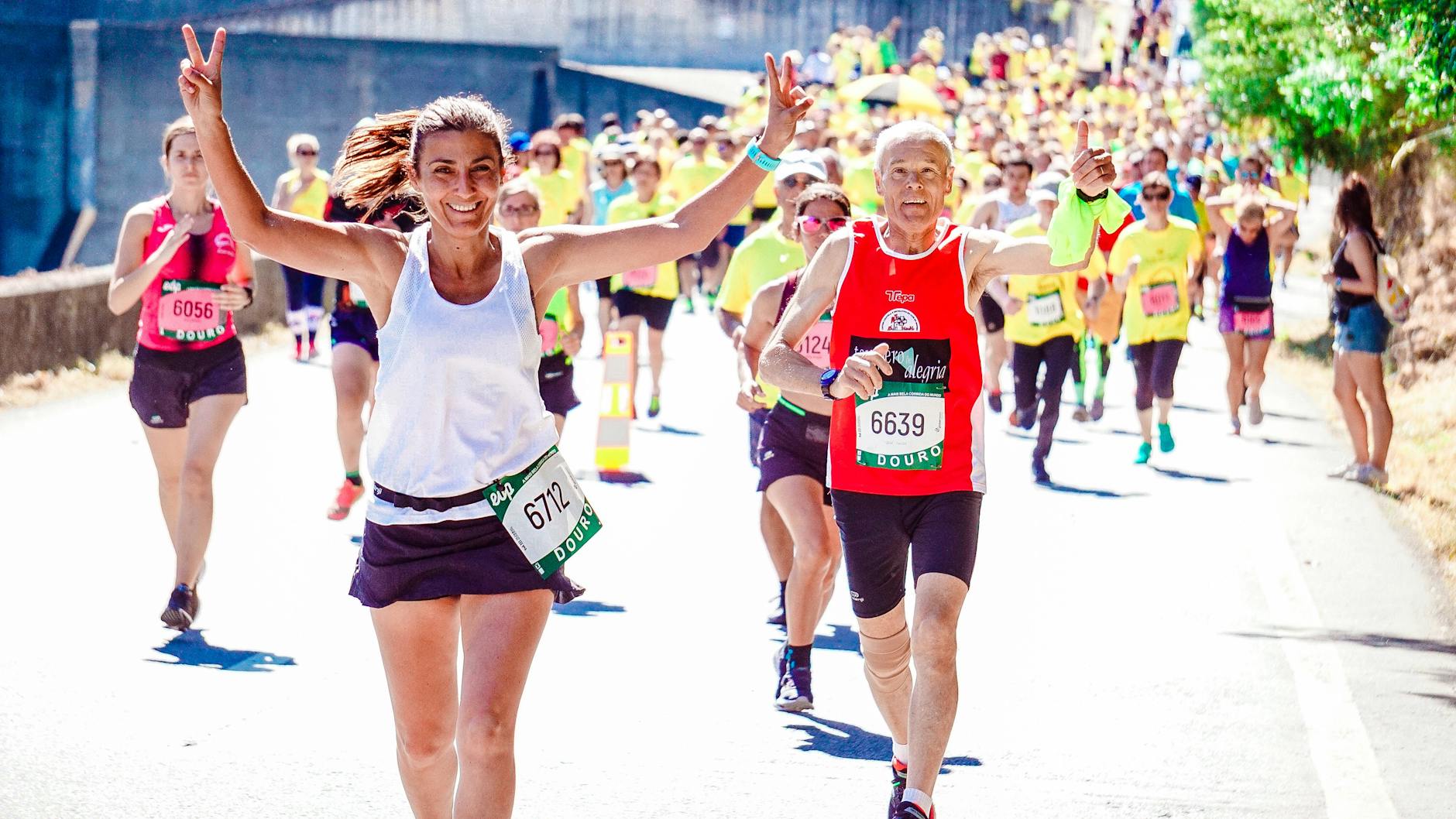
Cardiovascular fitness encompasses more than the ability to walk for extended periods. VO2 max””the maximum amount of oxygen the body can utilize during exercise””declines approximately 10% per decade after 30 in sedentary individuals but only 5% per decade in those who maintain vigorous exercise habits. This metric matters for fat loss because higher cardiovascular fitness enables more intense exercise, greater calorie expenditure, and improved metabolic flexibility.
Walking exclusively at low intensities does little to maintain or improve VO2 max. Adults over 40 who want to preserve their cardiovascular capacity and fat-burning potential need to include efforts that push heart rate into higher zones at least occasionally. This doesn’t require running marathons or suffering through grueling workouts. Even walking-based intervals, cycling, swimming, or elliptical sessions that elevate heart rate to 75-85% of maximum for sustained periods can maintain and improve cardiovascular fitness in ways that support long-term fat loss capability.
How to Prepare
- **Assess your current fitness baseline**: Track your resting heart rate, measure your walking pace, and note how you feel during moderate exertion. Consider a basic fitness assessment or medical clearance if you haven’t exercised beyond walking in years. This baseline helps gauge progress and identify appropriate starting intensities for new activities.
- **Acquire necessary equipment**: For resistance training, you need either gym access, home equipment like dumbbells and resistance bands, or knowledge of effective bodyweight exercises. Invest in proper footwear if adding higher-intensity walking intervals or jogging. A heart rate monitor helps ensure you’re reaching target intensity zones rather than guessing.
- **Create a weekly schedule**: Map out when you’ll walk, when you’ll strength train, and when you’ll rest. Most effective programs for adults over 40 include 2-3 strength sessions, 2-3 cardiovascular sessions of varying intensity, and at least one full rest day. Written schedules convert intentions into commitments.
- **Establish protein intake habits**: Calculate your daily protein target based on body weight and plan meals that provide 30-40 grams at breakfast, lunch, and dinner. Consider a protein supplement if whole food options don’t consistently meet needs. This nutritional foundation supports the muscle preservation your new exercise routine will demand.
- **Start conservatively and progress gradually**: Begin strength training with lighter weights and fewer sets than you think necessary. Add intensity to walks incrementally””perhaps one interval session per week initially. Adults over 40 require more recovery time, and starting slowly prevents injuries that derail progress entirely.
How to Apply This
- **Week one**: Walk three days as usual while adding two introductory strength training sessions focusing on fundamental movements””squats, lunges, pushes, pulls, and core work. Use light weights or bodyweight only. Increase protein at each meal.
- **Week two through four**: Maintain strength training twice weekly while converting one or two weekly walks into interval sessions. During interval walks, alternate one minute of fast walking (breathing hard, difficult to converse) with two minutes of normal pace. Repeat for 20-30 minutes total.
- **Month two and beyond**: Progress strength training by adding weight, sets, or exercise complexity as movements become comfortable. Increase interval intensity by lengthening work periods or shortening recovery. Add variety through different cardiovascular activities””cycling, swimming, rowing””that challenge the body differently than walking.
- **Ongoing**: Reassess every six to eight weeks. If fat loss stalls, examine protein intake, sleep quality, stress levels, and training intensity before assuming more exercise is needed. Small adjustments often restart progress where larger volume increases fail.
Expert Tips
- **Prioritize compound strength exercises**: Movements like squats, deadlifts, rows, and presses work multiple muscle groups simultaneously, providing more metabolic benefit per minute than isolation exercises. Adults over 40 should build their strength routine around these multi-joint movements.
- **Use rate of perceived exertion honestly**: On a 1-10 scale, fat-loss exercise should include regular periods at 7-8, not just comfortable 4-5 efforts. If you can easily hold a conversation throughout every workout, you’re not creating sufficient adaptive stress.
- **Schedule strength before cardio when combining sessions**: Research shows performing resistance exercise first protects strength gains and may enhance subsequent fat oxidation during cardio. If time allows separate sessions, even better.
- **Don’t neglect sleep as a fat loss tool**: Adults who sleep fewer than seven hours nightly show reduced fat loss and increased muscle loss during caloric restriction compared to those sleeping adequately. No exercise program overcomes chronic sleep deprivation.
- **Embrace progressive overload consistently**: Whether in strength training or cardiovascular intervals, the body adapts to demands placed upon it. Systematically increasing weight, distance, speed, or intensity over time forces continued adaptation rather than plateaus.
Conclusion
The reality for adults over 40 seeking fat loss is that the rules have changed, but the game isn’t lost. Walking remains a valuable component of an active lifestyle, supporting cardiovascular health, mental clarity, joint mobility, and daily calorie expenditure. However, walking alone cannot address the muscle loss, metabolic efficiency, and hormonal shifts that make fat loss increasingly challenging with age. Recognizing this limitation isn’t defeat””it’s the first step toward an approach that actually works.
Building a complete fat loss strategy after 40 requires adding resistance training to preserve and build metabolically active muscle tissue, incorporating higher-intensity cardiovascular efforts to trigger adaptation and maximize calorie burn, and supporting these activities with adequate protein and recovery. These additions don’t replace walking but transform it from an insufficient solo strategy into part of an effective whole. The effort required is greater than simply walking more miles, but the results””not just in fat loss but in strength, energy, and functional capacity””make that effort worthwhile. Your body over 40 is still capable of remarkable change; it simply requires the right signals to make that change happen.
Frequently Asked Questions
How long does it typically take to see results?
Results vary depending on individual circumstances, but most people begin to see meaningful progress within 4-8 weeks of consistent effort. Patience and persistence are key factors in achieving lasting outcomes.
Is this approach suitable for beginners?
Yes, this approach works well for beginners when implemented gradually. Starting with the fundamentals and building up over time leads to better long-term results than trying to do everything at once.
What are the most common mistakes to avoid?
The most common mistakes include rushing the process, skipping foundational steps, and failing to track progress. Taking a methodical approach and learning from both successes and setbacks leads to better outcomes.
How can I measure my progress effectively?
Set specific, measurable goals at the outset and track relevant metrics regularly. Keep a journal or log to document your journey, and periodically review your progress against your initial objectives.
When should I seek professional help?
Consider consulting a professional if you encounter persistent challenges, need specialized expertise, or want to accelerate your progress. Professional guidance can provide valuable insights and help you avoid costly mistakes.
What resources do you recommend for further learning?
Look for reputable sources in the field, including industry publications, expert blogs, and educational courses. Joining communities of practitioners can also provide valuable peer support and knowledge sharing.


