Understanding what it means if your heart rate spikes early in a 5-mile run can transform how you approach training, pacing, and overall running performance. Many runners have experienced this scenario: you set out for a moderate-paced run, and within the first half-mile or mile, your heart rate monitor displays numbers that seem far too high for the effort you think you’re exerting. This disconnect between perceived effort and actual cardiovascular response is not only common but carries significant implications for both immediate performance and long-term training adaptation. Early heart rate spikes during a 5-mile run often signal that something in your body’s current state, your training approach, or your pacing strategy needs adjustment.
The cardiovascular system operates as a finely tuned feedback mechanism, and when heart rate elevates rapidly at the start of a run, it’s providing valuable data about hydration status, recovery state, environmental conditions, or even underlying health factors. Ignoring these signals can lead to suboptimal training sessions, increased injury risk, and accumulated fatigue that undermines fitness gains over time. By the end of this article, you’ll understand the physiological mechanisms behind early heart rate elevation, learn to distinguish between normal cardiovascular responses and warning signs that warrant attention, and gain practical strategies for managing pace and effort during the critical opening miles of your runs. Whether you’re training for your first 5-mile race or you’re a seasoned runner looking to optimize performance, this knowledge will help you make smarter decisions on every run.
Table of Contents
- Why Does Your Heart Rate Spike in the First Mile of a 5-Mile Run?
- Physiological Causes of Elevated Heart Rate During Early Miles
- How Environmental Conditions Affect Heart Rate in Running
- Pacing Strategies to Prevent Early Heart Rate Spikes in 5-Mile Runs
- When Early Heart Rate Spikes Indicate Overtraining or Health Concerns
- Using Heart Rate Variability to Predict and Prevent Early Spikes
- How to Prepare
- How to Apply This
- Expert Tips
- Conclusion
- Frequently Asked Questions
Why Does Your Heart Rate Spike in the First Mile of a 5-Mile Run?
The first mile of any run places unique demands on your cardiovascular system as it transitions from rest to sustained aerobic activity. When you begin running, your body must rapidly increase cardiac output to deliver oxygen to working muscles, remove metabolic waste products, and regulate core temperature. This transition period, often called the cardiovascular lag, explains why heart rate can spike before settling into a steady state. For most runners, this adjustment takes anywhere from 3 to 8 minutes, depending on fitness level, warm-up quality, and individual physiology.
Several factors can exaggerate this early spike beyond what’s physiologically typical. Starting too fast is the most common culprit, as even a pace that’s 15 to 20 seconds per mile faster than intended can dramatically elevate heart rate in the opening minutes. Additionally, inadequate warm-up leaves the cardiovascular system unprepared for the sudden demand, forcing it to play catch-up once running begins. Runners who skip dynamic stretching and easy jogging before their main effort often see heart rates climb 10 to 15 beats per minute higher than they would with proper preparation.
- Cardiovascular lag causes a natural delay between starting exercise and achieving steady-state heart rate, typically lasting 3 to 8 minutes
- Pace misjudgment in the first mile, even by small margins, forces the heart to work harder than necessary to meet oxygen demands
- Insufficient warm-up means the body must simultaneously prepare and perform, leading to exaggerated heart rate responses
- Adrenaline and anticipation, particularly before races or hard workouts, can elevate heart rate before you even take your first stride
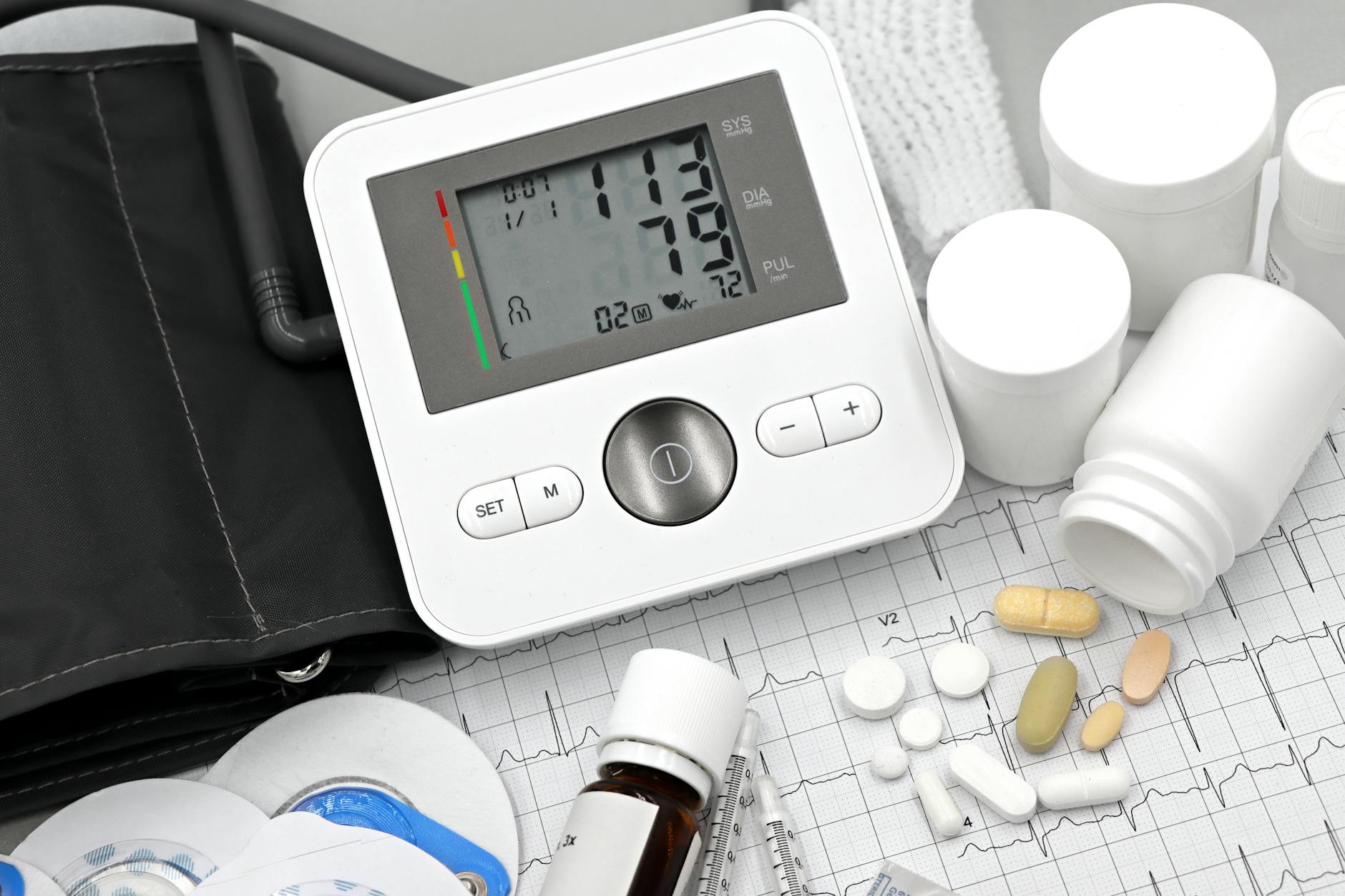
Physiological Causes of Elevated Heart Rate During Early Miles
Beyond pacing and warm-up considerations, several physiological factors directly influence how your heart rate responds during the initial portion of a 5-mile run. Hydration status plays a critical role, as even mild dehydration of 2 to 3 percent body weight loss can increase heart rate by 5 to 8 beats per minute at the same running intensity. When blood volume decreases due to inadequate fluid intake, the heart must beat faster to maintain the same cardiac output and oxygen delivery to muscles.
Sleep quality and recovery status also significantly impact cardiovascular response to exercise. Research published in the Journal of Sports Sciences demonstrates that runners who slept fewer than 6 hours the night before a workout exhibited heart rates averaging 7 beats per minute higher during submaximal exercise compared to well-rested sessions. This elevation reflects the sympathetic nervous system’s heightened state when the body hasn’t fully recovered from previous stress, whether from training, work, or inadequate sleep.
- Dehydration reduces blood plasma volume, forcing the heart to compensate with increased rate to maintain oxygen delivery
- Poor sleep quality elevates baseline sympathetic nervous system activity, resulting in higher resting and exercise heart rates
- Incomplete recovery from previous workouts leaves residual fatigue that manifests as elevated cardiovascular strain
- Caffeine consumption, while performance-enhancing, can temporarily increase heart rate by 5 to 15 beats per minute depending on individual sensitivity and dosage
How Environmental Conditions Affect Heart Rate in Running
Environmental factors often receive insufficient attention when runners analyze their heart rate data, yet temperature, humidity, and altitude can profoundly influence cardiovascular response during the early miles of a run. Heat presents the most significant challenge, as the body must simultaneously cool itself through increased blood flow to the skin while delivering oxygen to working muscles. Studies from the American College of Sports Medicine show that for every 5-degree Fahrenheit increase above 60 degrees, heart rate can increase by 2 to 4 beats per minute at the same running pace.
Humidity compounds the challenge of heat by reducing the body’s ability to cool itself through sweat evaporation. When humidity exceeds 60 percent, the evaporative cooling mechanism becomes less effective, causing core temperature to rise faster and heart rate to climb accordingly. Runners in humid climates often notice that their heart rate spikes earlier and higher during summer months, sometimes reaching zone 4 or 5 within the first mile at paces that would normally feel comfortable. Altitude presents different but equally significant challenges, as reduced oxygen availability at elevations above 4,000 feet forces the heart to beat faster to compensate for decreased oxygen saturation in the blood.
- Hot weather requires the cardiovascular system to serve dual purposes: cooling and locomotion, resulting in elevated heart rate
- High humidity impairs evaporative cooling, accelerating core temperature rise and subsequent heart rate increases
- Altitude reduces available oxygen, necessitating higher cardiac output to maintain the same oxygen delivery to muscles
- Wind and sun exposure add thermal stress that compounds the cardiovascular demands of running

Pacing Strategies to Prevent Early Heart Rate Spikes in 5-Mile Runs
Effective pacing during the first mile of a 5-mile run requires deliberate restraint and body awareness that many runners struggle to implement consistently. The concept of negative splitting, where the second half of a run is faster than the first, provides a framework for preventing early heart rate spikes while optimizing overall performance. By starting 10 to 15 seconds per mile slower than goal pace, runners allow their cardiovascular system to gradually reach steady state without the oxygen debt that causes heart rate to surge and remain elevated.
Perceived exertion serves as a valuable complement to heart rate monitoring during the opening miles. The 6 to 20 Borg scale or simplified 1 to 10 effort scale helps runners calibrate intensity before heart rate data becomes reliable. Aiming for a 5 or 6 out of 10 effort during the first mile, even when fitness suggests faster paces are sustainable, establishes a cardiovascular foundation that supports stronger performance in later miles. Many elite coaches recommend that the first mile of any training run should feel almost too easy, with genuine effort beginning only after the body has fully warmed up.
- Start 10 to 15 seconds per mile slower than your target pace to allow cardiovascular adjustment
- Use perceived exertion ratings of 5 to 6 during the first mile regardless of what pace this produces
- Implement a structured warm-up of 5 to 10 minutes before beginning your actual run to frontload the cardiovascular transition
- Break the first mile into segments, checking in with body sensations at quarter-mile intervals to prevent unconscious pace creep
When Early Heart Rate Spikes Indicate Overtraining or Health Concerns
While many causes of early heart rate elevation are benign and easily addressed through pacing and preparation adjustments, persistent or dramatic spikes can signal more serious concerns that warrant attention. Overtraining syndrome, a condition resulting from accumulated training stress without adequate recovery, often manifests first as unexplained heart rate elevation during easy runs. Runners experiencing overtraining may notice heart rates 10 to 20 beats per minute higher than normal for the same perceived effort, accompanied by general fatigue, sleep disturbances, and decreased motivation.
Certain cardiac conditions can also cause abnormal heart rate responses during exercise, making it essential to distinguish between typical training-related variations and potential medical issues. Supraventricular tachycardia, atrial fibrillation, and other arrhythmias can cause sudden, dramatic heart rate spikes that feel disproportionate to effort and may be accompanied by dizziness, chest discomfort, or shortness of breath beyond what running normally produces. Any runner who experiences heart rates exceeding 90 to 95 percent of their maximum during easy running, or who notices irregular rhythms, should consult a sports medicine physician or cardiologist for evaluation.
- Overtraining syndrome causes chronically elevated heart rate responses that persist despite adequate warm-up and conservative pacing
- Cardiac arrhythmias can produce sudden, unexplained heart rate spikes that feel distinctly different from normal exercise responses
- Illness, even subclinical infections, often elevates heart rate as the immune system demands additional cardiovascular resources
- Anemia and iron deficiency, particularly common in female runners, reduce oxygen-carrying capacity and force compensatory heart rate increases

Using Heart Rate Variability to Predict and Prevent Early Spikes
Heart rate variability, the variation in time between successive heartbeats, has emerged as a powerful tool for predicting how your cardiovascular system will respond to training on any given day. Low HRV readings in the morning suggest that your autonomic nervous system remains in a stressed state, making early heart rate spikes during running more likely. Many running watches and fitness trackers now provide HRV measurements that can inform training decisions before you even lace up your shoes.
Tracking HRV trends over weeks and months reveals patterns that help runners understand their individual recovery needs and training tolerance. A sudden drop in HRV often precedes illness, injury, or performance decline by several days, providing an early warning system that allows for proactive recovery. By correlating HRV data with heart rate responses during runs, runners can develop personalized guidelines for when to push forward with planned training and when to modify intensity based on their body’s current state.
How to Prepare
- Hydrate adequately in the 2 to 4 hours before your run by consuming 16 to 20 ounces of water or electrolyte drink, checking that your urine is pale yellow before heading out, as even mild dehydration increases cardiac strain during exercise.
- Perform a dynamic warm-up of 5 to 10 minutes including leg swings, high knees, butt kicks, and walking lunges to increase blood flow to muscles, elevate core temperature slightly, and prepare your cardiovascular system for the transition to running intensity.
- Begin with 3 to 5 minutes of easy jogging or brisk walking before starting your actual workout pace, allowing heart rate to rise gradually rather than forcing an abrupt jump from rest to running intensity.
- Check environmental conditions and adjust expectations accordingly, recognizing that heat, humidity, and altitude will all cause higher heart rate responses and may require slower starting paces than usual.
- Review your recent training load and sleep quality to assess recovery status, being prepared to start more conservatively if you’ve accumulated fatigue or slept poorly in recent days.
How to Apply This
- During the first quarter mile, focus entirely on perceived exertion rather than pace, keeping effort at a conversational level where you could easily speak in full sentences without gasping.
- At the half-mile mark, glance at your heart rate data and compare it to your expected zone for easy running, using this checkpoint to determine whether you need to slow further or can maintain current effort.
- Allow heart rate to guide the first full mile, accepting whatever pace keeps you in zone 2 or low zone 3 rather than forcing a predetermined pace that may be inappropriate for current conditions.
- After completing the first mile with controlled heart rate, gradually increase effort over the next half mile if your training plan calls for harder work, letting cardiovascular data confirm that your body has successfully transitioned to steady-state exercise.
Expert Tips
- Record morning resting heart rate before getting out of bed for at least two weeks to establish your personal baseline, then use elevations of more than 5 beats per minute as a signal to start runs more conservatively.
- Practice the first mile of races during training by simulating race-day conditions including time of day, nutrition, and warm-up routine, so your body learns to handle the excitement and adrenaline that can spike heart rate on competition day.
- Consider using heart rate zones based on lactate threshold rather than maximum heart rate, as threshold-based zones more accurately reflect individual cardiovascular fitness and provide better guidance for pacing decisions.
- Invest in a chest strap heart rate monitor for more accurate real-time data, as wrist-based optical sensors can lag or misread during the dynamic movements of running, particularly in the variable conditions of the first mile.
- Keep a simple training log noting heart rate response in the first mile alongside variables like sleep, hydration, stress, and weather to identify patterns specific to your physiology that predict good versus challenging runs.
Conclusion
Understanding what causes your heart rate to spike early in a 5-mile run empowers you to make informed decisions that improve both individual workout quality and long-term training progression. The cardiovascular system provides constant feedback about your body’s state, and learning to interpret this information transforms heart rate data from a source of frustration into a valuable training tool. Whether the spike stems from inadequate warm-up, environmental stress, accumulated fatigue, or simply starting too fast, the solution typically involves patience during the opening miles and respect for what your body is communicating.
The runners who improve most consistently are those who develop the discipline to start conservatively and trust that their fitness will carry them through stronger later miles. By implementing proper warm-up protocols, adjusting pace based on conditions and recovery status, and monitoring trends in your cardiovascular response over time, you can minimize disruptive early heart rate spikes and run more effectively at any distance. The first mile sets the tone for every run that follows, and mastering this critical opening phase pays dividends across your entire running career.
Frequently Asked Questions
How long does it typically take to see results?
Results vary depending on individual circumstances, but most people begin to see meaningful progress within 4-8 weeks of consistent effort. Patience and persistence are key factors in achieving lasting outcomes.
Is this approach suitable for beginners?
Yes, this approach works well for beginners when implemented gradually. Starting with the fundamentals and building up over time leads to better long-term results than trying to do everything at once.
What are the most common mistakes to avoid?
The most common mistakes include rushing the process, skipping foundational steps, and failing to track progress. Taking a methodical approach and learning from both successes and setbacks leads to better outcomes.
How can I measure my progress effectively?
Set specific, measurable goals at the outset and track relevant metrics regularly. Keep a journal or log to document your journey, and periodically review your progress against your initial objectives.
When should I seek professional help?
Consider consulting a professional if you encounter persistent challenges, need specialized expertise, or want to accelerate your progress. Professional guidance can provide valuable insights and help you avoid costly mistakes.
What resources do you recommend for further learning?
Look for reputable sources in the field, including industry publications, expert blogs, and educational courses. Joining communities of practitioners can also provide valuable peer support and knowledge sharing.
Related Reading
- How to Pace a 5-Mile Run Using Heart Rate at Different Ages
- Why a Lower Heart Rate Can Mean Better Fitness After 50 and 60
- Safe vs. Risky Heart Rates on a 5-Mile Run for Older Runners
- Heart Rate During a 5-Mile Run: What Runners Over 60 Should Expect
- How You Should Feel the Day After a Proper 5-6 Mile Treadmill Run