Understanding your heart rate during a 5-mile run becomes increasingly important as runners move past the age of 60, when cardiovascular responses to exercise shift in predictable but significant ways. The aging heart doesn’t pump blood as efficiently at maximum effort, and the body’s ability to deliver oxygen to working muscles changes-yet millions of runners over 60 continue to log substantial weekly mileage with excellent results. The key lies in knowing what numbers to expect on your heart rate monitor and what those numbers actually mean for your performance and safety. Many runners who have been active for decades notice that their heart rate data looks different than it did at 40 or 50.
Some become concerned when they can’t reach the heart rates they once achieved during hard efforts, while others worry when their heart rate seems elevated compared to younger running partners covering the same pace. These observations often lead to questions about whether something is wrong, whether training should be modified, or whether certain heart rate ranges indicate a problem requiring medical attention. By the end of this article, you’ll understand the physiological changes that affect heart rate in runners over 60, learn how to calculate appropriate training zones for a 5-mile distance, recognize normal versus concerning heart rate patterns, and gain practical strategies for monitoring cardiovascular effort during your runs. This information applies whether you’re a longtime runner adapting your approach or someone who started running later in life and wants to train intelligently.
Table of Contents
- What Heart Rate Should a Runner Over 60 Expect During a 5-Mile Run?
- How Age Affects Cardiovascular Response to 5-Mile Running
- Understanding Heart Rate Zones for Runners Over 60
- How to Monitor Heart Rate Safely During a 5-Mile Run Over 60
- Common Heart Rate Concerns and Irregularities in Runners Over 60
- The Role of Medication in Heart Rate Response During Running
- How to Prepare
- How to Apply This
- Expert Tips
- Conclusion
- Frequently Asked Questions
What Heart Rate Should a Runner Over 60 Expect During a 5-Mile Run?
The expected heart rate during a 5-mile run for runners over 60 varies based on fitness level, running pace, and individual physiology, but general ranges provide useful benchmarks. For an easy-paced 5-mile run, most runners in this age group will see heart rates between 110 and 140 beats per minute. A moderate effort typically pushes heart rate into the 130-155 range, while a hard 5-mile tempo run might see heart rates climbing to 150-170 bpm. These numbers differ substantially from what a 30-year-old runner would experience at similar effort levels, and that difference is entirely normal.
Maximum heart rate declines with age at a rate of roughly 0.7 to 1 beat per minute per year. The commonly cited formula of 220 minus age suggests a 65-year-old would have a maximum heart rate around 155 bpm, though research shows this formula underestimates max heart rate for many active older adults. More accurate formulas like the Tanaka formula (208 minus 0.7 times age) yield a maximum of approximately 162 bpm for a 65-year-old. During a 5-mile run at conversational pace, you’d expect to work at 65-75% of that maximum, while racing the distance would push you toward 85-95% of maximum.
- Easy 5-mile runs should keep heart rate in Zone 2, typically 60-70% of maximum heart rate
- Tempo-paced 5-milers work the cardiovascular system at 80-88% of maximum
- Individual variation means some healthy runners over 60 have maximum heart rates 10-15 beats higher or lower than formulas predict
- Fitness level affects heart rate at any given pace-fitter runners show lower heart rates at the same speed
How Age Affects Cardiovascular Response to 5-Mile Running
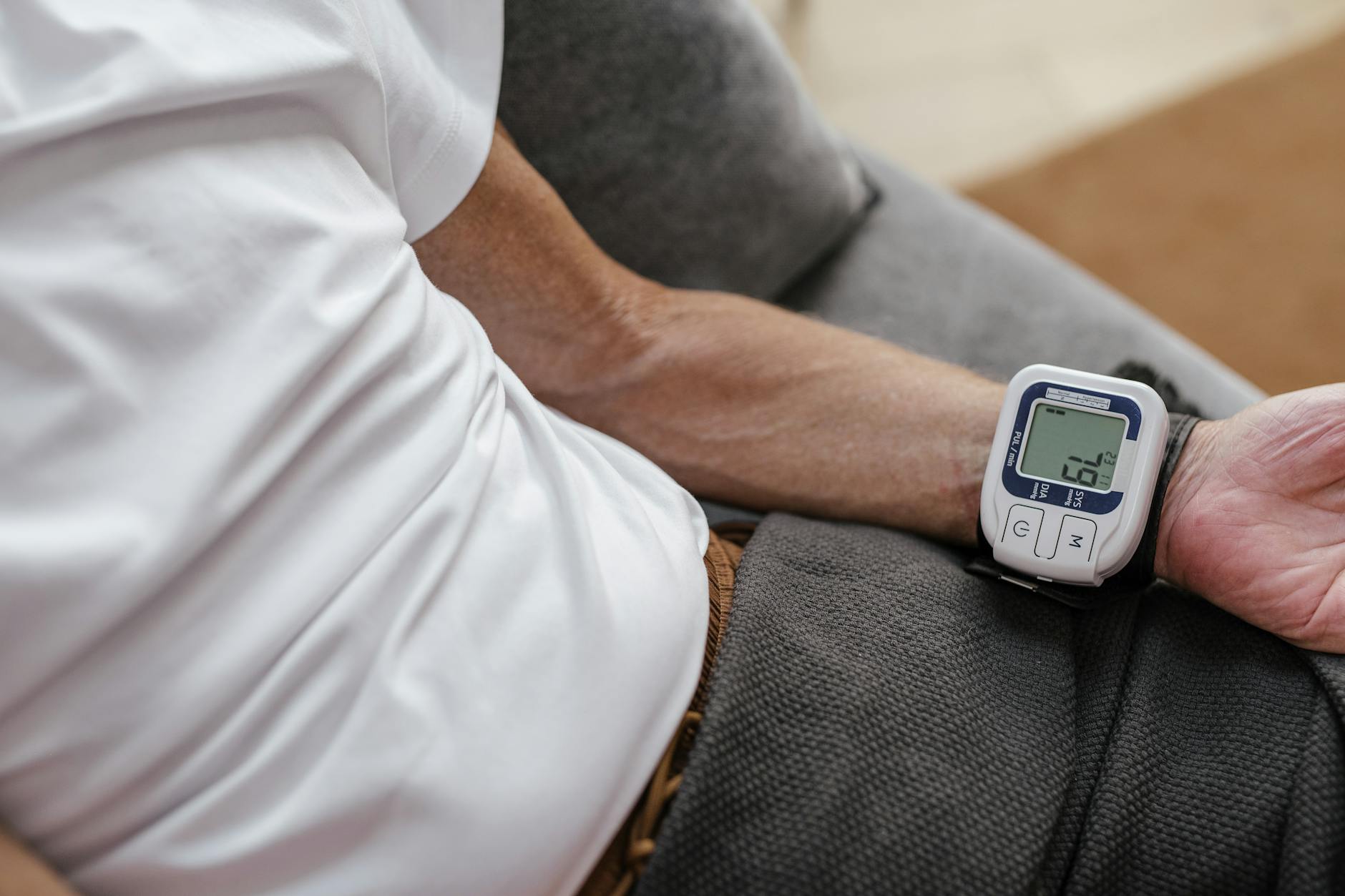
The cardiovascular system undergoes specific changes after age 60 that directly influence heart rate patterns during running. The heart’s left ventricle wall thickens slightly, reducing the chamber’s capacity to fill completely between beats. Arterial walls become less elastic, increasing the resistance the heart must pump against. The sinoatrial node, which sets the heart’s rhythm, contains fewer pacemaker cells, limiting the heart’s ability to accelerate quickly.
These changes don’t prevent excellent running performance, but they do alter the numbers you’ll see during a 5-mile effort. Stroke volume-the amount of blood pumped per heartbeat-often decreases with age, which means the heart must beat more frequently to deliver the same amount of oxygen to muscles. A runner over 60 might show a heart rate 10-15 beats higher than a younger runner at identical paces during the first mile, simply because each heartbeat moves less blood. This elevated heart rate at submaximal efforts is normal and doesn’t indicate poor fitness. Meanwhile, the ceiling on heart rate drops, creating a narrower working range between resting and maximum heart rate.
- Cardiac output (heart rate multiplied by stroke volume) can remain adequate for strong running performance despite these age-related changes
- Blood pressure response to exercise typically increases with age, which explains why some runners feel they’re working harder even when pace is comfortable
- The heart rate recovery after finishing a 5-mile run tends to slow with age-taking 2-3 minutes to drop 30 beats rather than 1-2 minutes
- Regular running partially offsets these changes, which explains why trained 60-year-olds often have cardiovascular profiles resembling sedentary 40-year-olds
Understanding Heart Rate Zones for Runners Over 60
Heart rate training zones require recalibration as runners age, and applying the same zone calculations used at younger ages leads to training at intensities that are either too hard or too easy. The five-zone system commonly used in running training must be anchored to an accurate maximum heart rate, which is best determined through a field test rather than a formula. For a 5-mile training run, most sessions should target Zone 2 or Zone 3, with occasional Zone 4 threshold work for runners building race fitness. Zone 2 running-often called the “aerobic base” zone-represents 60-70% of maximum heart rate and should feel comfortable enough to hold a conversation.
For a 65-year-old with a maximum heart rate of 160, Zone 2 spans roughly 96-112 bpm. Zone 3 covers 70-80% of maximum (112-128 bpm in our example) and represents a steady, sustainable effort where conversation becomes choppy. Zone 4, spanning 80-90% of maximum, pushes into threshold territory where speaking is limited to single words or short phrases. Most 5-mile training runs should accumulate time in Zones 2 and 3, with Zone 4 reserved for structured speed work.
- Zone 1 (50-60% max): Active recovery, walking portions of run-walk sessions
- Zone 2 (60-70% max): Easy running, long runs, base building-where most 5-mile training runs should occur
- Zone 3 (70-80% max): Moderate effort, progression runs, faster finish long runs
- Zone 4 (80-90% max): Threshold and tempo running, appropriate for hard 5-mile efforts
- Zone 5 (90-100% max): Near-maximum effort, race finishes, brief intervals-rarely sustained during 5-mile runs
How to Monitor Heart Rate Safely During a 5-Mile Run Over 60
Selecting appropriate heart rate monitoring equipment and knowing how to interpret the data during your run prevents both undertraining and potentially dangerous overexertion. Chest strap monitors remain the gold standard for accuracy, detecting electrical signals from the heart directly and providing reliable beat-by-beat data even during high-intensity running. Optical wrist-based monitors have improved significantly but can struggle with accuracy during running, particularly when wrist movement is pronounced or when blood flow to the skin is reduced in cold weather.
During a 5-mile run, checking heart rate at consistent intervals-every mile or every 10 minutes-provides more useful information than obsessively watching the number fluctuate with each glance. Heart rate naturally drifts upward during sustained running due to a phenomenon called cardiac drift, where the heart rate increases 5-10% over 30-60 minutes even at constant pace. This drift is more pronounced in warm conditions, during harder efforts, and in less-fit individuals. Knowing that your heart rate will be higher at mile 4.5 than at mile 1 prevents unnecessary alarm about numbers that are physiologically normal.
- Set heart rate alerts on your device to notify you when you exceed your target zone, removing the need to constantly check
- Record your average heart rate for each 5-mile run to track fitness changes over time-improving fitness shows as lower heart rate at the same pace
- Note environmental conditions alongside heart rate data, as heat, humidity, and altitude all elevate heart rate independent of effort
- Learn your personal warning signs that indicate heart rate is too high: excessive breathlessness, dizziness, chest pressure, or an inability to recover between intervals
Common Heart Rate Concerns and Irregularities in Runners Over 60
Runners over 60 encounter heart rate patterns that may seem concerning but often fall within normal variation, alongside some irregularities that warrant medical evaluation. An elevated resting heart rate on a given morning-8-10 beats above typical-often indicates incomplete recovery from previous training, oncoming illness, or dehydration rather than a cardiac problem. Similarly, an unusually high heart rate during the first mile of a 5-mile run sometimes reflects inadequate warm-up, caffeine timing, stress hormones, or simply a tough day when the body isn’t ready for hard effort.
Atrial fibrillation affects approximately 10% of adults over 65 and causes irregular, often rapid heart rate patterns that may appear during running. Runners with AFib might notice their heart rate monitor showing erratic readings, unusually high numbers that don’t match perceived effort, or sudden drops and spikes that don’t correspond to pace changes. While many runners manage AFib successfully with medical guidance and continue running, new-onset irregular heart rhythm during exercise always requires evaluation. Premature ventricular contractions (PVCs)-occasional extra beats that feel like skips or flutters-are common and usually benign but should be mentioned to a physician if they occur frequently during running.
- Heart rate that fails to rise appropriately during hard effort (chronotropic incompetence) affects some older runners and limits exercise capacity
- Very slow heart rate recovery after stopping-less than 12 beats in the first minute-has been associated with increased cardiovascular risk in research studies
- Episodes of extremely rapid heart rate (over 200 bpm) during running are never normal and require immediate medical attention
- Heart rate monitors occasionally malfunction, showing impossible readings; always cross-reference unusual data with perceived exertion before becoming concerned

The Role of Medication in Heart Rate Response During Running
Many runners over 60 take medications that significantly alter heart rate during exercise, making standard heart rate training zones inapplicable. Beta-blockers, prescribed for high blood pressure, heart rhythm disorders, and other conditions, directly limit how high the heart rate can climb during exertion. A runner on metoprolol or atenolol might have a maximum heart rate 20-40 beats lower than it would be without medication, fundamentally changing what numbers appear during a 5-mile run.
Calcium channel blockers and certain other blood pressure medications can also affect heart rate response, though usually less dramatically than beta-blockers. Runners taking heart rate-limiting medications should work with their physicians to establish appropriate exercise intensity guidelines, often using perceived exertion or the talk test rather than heart rate zones. Some runners on beta-blockers find that they can still train effectively by establishing new, medication-adjusted zones through a supervised exercise test. The key point is that comparing your heart rate data to charts or to other runners becomes meaningless when medication is part of the equation-your body is responding to a different set of rules.
How to Prepare
- **Obtain medical clearance for vigorous exercise** by discussing your running plans with a physician, particularly if you have known heart disease, take cardiac medications, or have experienced chest discomfort, unusual breathlessness, or fainting. This conversation should include whether exercise stress testing is appropriate for your situation.
- **Determine your actual maximum heart rate** through either a supervised exercise test (preferable for those with risk factors) or a field test such as a hard 1-mile uphill effort after thorough warm-up. Formulas provide only rough estimates that may be off by 10-15 beats in either direction for individual runners.
- **Calculate your personal heart rate zones** using the maximum heart rate you’ve measured rather than formula-derived estimates. Write these zones down and program them into your heart rate monitor or running watch so you have clear targets during training.
- **Establish baseline data** by running several 5-mile routes at comfortable effort while recording average and maximum heart rate, noting conditions, and logging your perceived effort level. This baseline reveals your typical heart rate patterns before you begin structured training.
- **Learn to correlate heart rate with perceived exertion** by paying attention to breathing rate, ability to speak, and muscular effort alongside the numbers on your monitor. This skill allows you to train appropriately on days when heart rate data seems unreliable or when technology fails.
How to Apply This
- **Structure most 5-mile training runs in Zone 2** by deliberately slowing pace until heart rate settles into the 60-70% of maximum range, even if this pace feels frustratingly slow initially. Over weeks and months, your pace at this heart rate will naturally increase as fitness improves.
- **Include one moderate-effort 5-miler weekly** where you allow heart rate to climb into Zone 3 (70-80% of maximum) for extended periods, building the ability to sustain aerobic effort at higher intensities while staying below threshold.
- **Reserve high heart rate Zone 4 efforts** for specific threshold workouts or race simulations rather than regular training runs, limiting these harder sessions to once every 7-14 days to allow adequate recovery for the older cardiovascular system.
- **Track trends rather than individual data points** by reviewing weekly and monthly averages of heart rate at given paces, looking for the gradual downward trend that indicates improving cardiovascular efficiency rather than worrying about day-to-day variation.
Expert Tips
- **Extend your warm-up to 10-15 minutes** before any 5-mile run where you plan to work at moderate or higher intensities. The cardiovascular system of a runner over 60 requires more time to shift from rest to exercise mode, and an adequate warm-up prevents the excessively high heart rates that occur when starting too fast.
- **Monitor heart rate variability (HRV) upon waking** if your device offers this feature, as reduced HRV often indicates accumulated fatigue before it shows up in elevated resting heart rate. Low HRV mornings are good days for easy Zone 2 running rather than harder efforts.
- **Accept that some days your heart rate will run 5-10 beats higher** than expected at your usual pace, and adjust your pace downward rather than pushing through at elevated heart rate. The cardiac system of older runners benefits more from consistent easy running than from grinding through tough days.
- **Pay attention to the heart rate during the final mile** of your 5-mile runs. If cardiac drift is pushing you 20+ beats above your starting heart rate, the initial pace was likely too fast or conditions are more challenging than usual.
- **Use the “talk test” as a reality check** against heart rate data. If your monitor shows Zone 2 but you cannot speak in complete sentences, either the monitor is malfunctioning or your zones need recalibration.
Conclusion
Running 5 miles regularly at age 60 and beyond represents a remarkable achievement for the cardiovascular system, and understanding how heart rate behaves during these runs empowers smarter, safer training decisions. The numbers on your heart rate monitor tell a story about how your body is responding to the demands of running-but interpreting that story requires knowledge of age-related changes, individual variation, the effects of medication, and the difference between normal physiological patterns and genuine warning signs. Armed with appropriate heart rate zones, awareness of what causes elevated or suppressed readings, and the ability to correlate perceived effort with numerical data, runners over 60 can continue building fitness while respecting the cardiovascular system’s changing capabilities. The path forward involves patience with the process, consistency in training approach, and willingness to adjust expectations as the body’s responses evolve.
A heart rate that would have indicated an easy effort at age 40 might represent threshold work at 65-and that’s perfectly fine. What matters is finding the intensity that challenges the cardiovascular system enough to promote adaptation while allowing recovery between sessions. The runners who thrive in their 60s, 70s, and beyond are those who learn to read their heart rate data intelligently rather than fighting against numbers that reflect normal aging. Every 5-mile run logged at appropriate intensity contributes to the cardiovascular fitness that supports not just running performance but overall health and longevity.
Frequently Asked Questions
How long does it typically take to see results?
Results vary depending on individual circumstances, but most people begin to see meaningful progress within 4-8 weeks of consistent effort. Patience and persistence are key factors in achieving lasting outcomes.
Is this approach suitable for beginners?
Yes, this approach works well for beginners when implemented gradually. Starting with the fundamentals and building up over time leads to better long-term results than trying to do everything at once.
What are the most common mistakes to avoid?
The most common mistakes include rushing the process, skipping foundational steps, and failing to track progress. Taking a methodical approach and learning from both successes and setbacks leads to better outcomes.
How can I measure my progress effectively?
Set specific, measurable goals at the outset and track relevant metrics regularly. Keep a journal or log to document your journey, and periodically review your progress against your initial objectives.
When should I seek professional help?
Consider consulting a professional if you encounter persistent challenges, need specialized expertise, or want to accelerate your progress. Professional guidance can provide valuable insights and help you avoid costly mistakes.
What resources do you recommend for further learning?
Look for reputable sources in the field, including industry publications, expert blogs, and educational courses. Joining communities of practitioners can also provide valuable peer support and knowledge sharing.
Related Reading
- How a Healthy 5-Mile Run Heart Rate Changes as You Age
- The Ideal Heart Rate Zones for a 5-Mile Run After 40, 50, and 60
- Body Signals That Tell You Your 6-Mile Run Is Building Endurance
- The Difference Between Productive Discomfort and Warning Pain on the Treadmill
- Is Your Heart Rate Too High on a 5-Mile Run? Age-Based Benchmarks