Understanding the physical and mental signals of a healthy 6-mile treadmill run can transform how you approach endurance training and help you distinguish between productive discomfort and warning signs that require attention. Six miles represents a meaningful distance for most runners-long enough to challenge cardiovascular capacity, test mental fortitude, and reveal patterns in form and fitness that shorter runs might not expose. Whether you’re training for a half marathon, building an aerobic base, or simply pushing your limits on the indoor track, knowing what your body and mind should feel like during this distance is essential knowledge. Many runners complete their treadmill sessions without truly understanding whether the sensations they experience indicate healthy adaptation or potential problems brewing beneath the surface. The controlled environment of a treadmill offers a unique opportunity to tune into these signals without the distractions of traffic, terrain changes, or weather.
Heart rate consistency, breathing patterns, mental clarity, muscle feedback, and energy levels all tell a story about your current fitness state and training readiness. Learning to read these signals accurately prevents overtraining injuries, helps optimize pace selection, and builds the body awareness that separates experienced runners from beginners. By the end of this article, you’ll have a comprehensive framework for evaluating your own 6-mile treadmill runs. You’ll understand the progression of physical sensations from the first mile through the last, recognize the mental states that accompany productive training, and know exactly when certain signals should prompt you to back off or push through. This knowledge applies whether you’re running at a recovery pace or pushing tempo efforts, and it scales with your fitness level as you progress in your running journey.
Table of Contents
- What Should Your Body Feel Like During a Healthy 6-Mile Treadmill Run?
- Mental Signals That Indicate a Productive Treadmill Training Session
- Heart Rate Patterns and Cardiovascular Signals During 6-Mile Runs
- How to Monitor Physical Fatigue Signals Throughout Your Treadmill Run
- Common Warning Signs vs. Normal Discomfort During Treadmill Running
- The Role of Breathing Patterns in Assessing Treadmill Run Quality
- How to Prepare
- How to Apply This
- Expert Tips
- Conclusion
- Frequently Asked Questions
What Should Your Body Feel Like During a Healthy 6-Mile Treadmill Run?
A healthy 6-mile treadmill run follows a predictable arc of physical sensations that experienced runners come to recognize and even anticipate. During the first mile or two, your body transitions from rest to sustained effort-muscles feel slightly stiff, breathing requires conscious effort, and your cardiovascular system ramps up to meet oxygen demands. This initial period, often called the “warm-up phase,” should gradually give way to a settled rhythm where movement feels more fluid and automatic. By mile three, most runners hit their stride: breathing becomes rhythmic and controlled, leg turnover feels smooth, and the effort level stabilizes at a sustainable point.
The middle miles of a 6-mile treadmill run reveal your true fitness state. During miles three through five, a well-prepared runner experiences what exercise physiologists call “steady state-“a condition where oxygen intake matches oxygen demand and lactate production remains manageable. Physical signals during this phase include consistent breathing patterns (typically a 3:2 or 2:2 breath-to-stride ratio for moderate efforts), stable heart rate within your target zone, and muscles that feel engaged but not burning. Sweat production increases but remains manageable, and your core temperature rises to a plateau rather than continuing to climb. Any sharp pains, unusual tightness, or dramatic changes in these sensations warrant attention.
- **Breathing rhythm**: Should feel challenging but sustainable, with the ability to speak in short sentences during easy to moderate efforts
- **Heart rate stability**: After the initial rise, heart rate should plateau within 5-10 beats per minute of your target, not continuing to climb throughout the run
- **Muscle engagement**: Legs feel “turned on” and responsive, with normal fatigue building gradually rather than sudden weakness or cramping

Mental Signals That Indicate a Productive Treadmill Training Session
The psychological experience of a 6-mile treadmill run provides equally valuable data about your fitness and recovery status. A healthy mental state during this distance begins with manageable resistance-the effort feels challenging but your mind doesn’t immediately seek escape routes or rationalizations to quit. Early miles might bring some mental negotiation as your brain adjusts to the commitment, but this typically resolves into acceptance and focus by mile two or three. Runners in good training condition often describe entering a “flow state” during the middle miles, where the repetitive nature of treadmill running becomes almost meditative. Mental clarity serves as one of the most reliable indicators of healthy training stress versus excessive strain. During a well-paced 6-mile run, you should maintain the cognitive capacity to monitor your form, adjust pace if needed, and engage with music, podcasts, or your own thoughts without feeling overwhelmed.
Warning signs include inability to focus on anything except finishing, intense irritability, or catastrophic thinking about the remaining distance. These mental signals often appear before physical breakdown and can indicate inadequate recovery, poor fueling, or a pace that exceeds your current fitness level. The final miles of a healthy treadmill run bring a specific mental quality that differs from desperation. Productive discomfort feels like a challenge you’re rising to meet rather than a situation you’re barely surviving. Your mind acknowledges the difficulty while maintaining confidence in your ability to complete the run. This mental resilience grows with training, and recognizing it during your runs helps build the psychological toughness that transfers to race situations and outdoor running challenges.
- **Attention capacity**: Ability to notice and correct form drift, monitor pace, and remain aware of your surroundings indicates appropriate effort level
- **Emotional stability**: Mood should remain relatively neutral to positive; extreme negativity or unusual anxiety suggests potential overtraining
- **Perceived exertion alignment**: Your mental rating of effort should reasonably match your heart rate and pace data
Heart Rate Patterns and Cardiovascular Signals During 6-Mile Runs
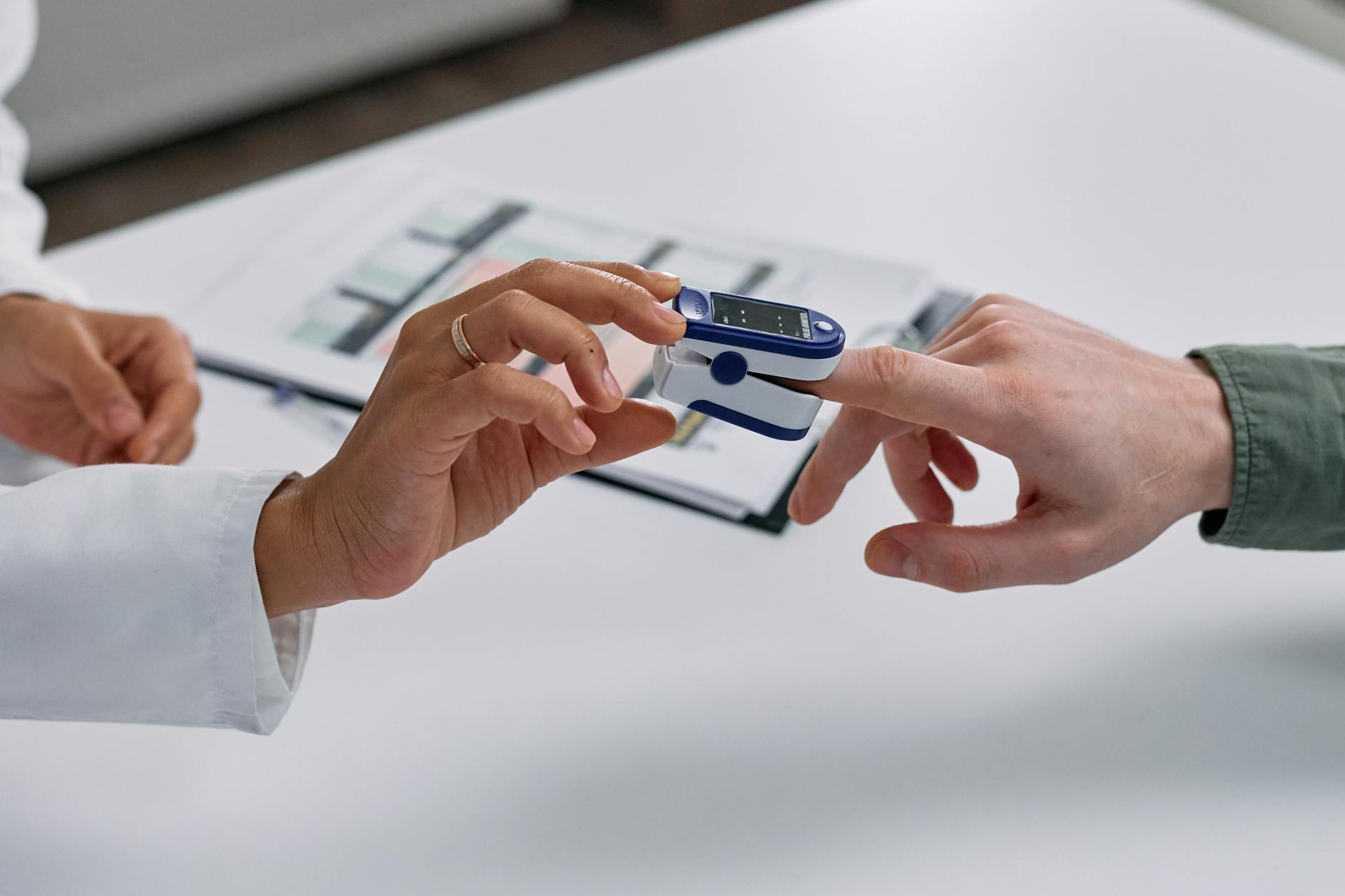
Heart rate behavior during a 6-mile treadmill run provides objective confirmation of the subjective sensations you experience. For a healthy aerobic run at moderate intensity, heart rate should rise during the first 5-10 minutes and then stabilize within a relatively narrow range. This pattern, called cardiovascular drift, typically sees heart rate increase by no more than 10-15 beats per minute over the course of the run when hydration and temperature remain controlled. A well-functioning cardiovascular system demonstrates this stability consistently across similar workouts.
The treadmill environment offers particular advantages for monitoring heart rate accuracy because pace remains constant unless you adjust it. This controlled setting reveals whether heart rate variations come from internal factors (fatigue, dehydration, inadequate recovery) or external ones (hills, wind, temperature changes) that would confuse the data outdoors. Running at the same speed and incline across multiple sessions allows you to track cardiovascular fitness improvements-as aerobic capacity grows, heart rate at the same pace decreases, or you can maintain the same heart rate at a faster pace. Concerning cardiovascular signals during a 6-mile treadmill run include heart rate that continues climbing throughout the session without plateauing, irregular heart rhythms that feel like fluttering or skipped beats, dizziness or lightheadedness, and chest pressure beyond normal exertion sensation. Healthy runners might experience their heart rate drifting upward slightly in the final miles due to accumulated fatigue and rising core temperature, but dramatic spikes or erratic patterns warrant immediate attention and potentially medical consultation.
- **Target heart rate zones**: For most runners, a moderate 6-mile run falls in zone 2-3 (roughly 60-75% of maximum heart rate), allowing for sustained effort without excessive stress
- **Recovery indicators**: How quickly heart rate drops after finishing reveals cardiovascular fitness-a drop of 20+ beats in the first minute indicates good aerobic conditioning
How to Monitor Physical Fatigue Signals Throughout Your Treadmill Run
Learning to distinguish between normal training fatigue and problematic exhaustion requires attention to specific physical markers throughout your 6-mile treadmill session. Healthy fatigue accumulates gradually and predictably-your legs feel heavier in mile five than mile two, your breathing deepens, and maintaining pace requires incrementally more effort. This progressive fatigue represents the training stimulus that drives adaptation. Your body should respond to these demands while maintaining functional form and reasonable comfort. Monitoring fatigue signals involves periodic body scans during your run.
Every mile or so, briefly assess key indicators: Are your shoulders creeping up toward your ears? Is your foot strike becoming heavier or more shuffling? Has your cadence dropped significantly? Are you gripping the handrails or leaning forward excessively? These form degradations often precede injury and indicate fatigue that has exceeded your body’s ability to compensate. On a healthy run, you can consciously correct these drift patterns when you notice them. The distinction between productive and problematic fatigue often comes down to symmetry and localization. Healthy tiredness affects both legs similarly and spreads across major muscle groups-quadriceps, hamstrings, calves, and glutes all share the load. Concerning signals include one-sided fatigue, pain localized to specific joints or tendons, numbness or tingling, or fatigue that doesn’t respond to slight pace adjustments. Running through appropriate fatigue builds fitness; running through warning signals causes injury.
- **Form checkpoints**: Conduct brief mental scans at each mile marker, assessing posture, arm swing, foot strike, and overall movement quality
- **Pace sustainability**: If you cannot maintain your target pace without form collapse, the pace exceeds your current fitness for that distance
- **Recovery between runs**: How you feel 24-48 hours after a 6-mile treadmill run indicates whether the training stress was appropriate
Common Warning Signs vs. Normal Discomfort During Treadmill Running
Distinguishing between sensations that require attention and those that simply accompany challenging exercise represents a critical skill for treadmill runners tackling 6-mile distances. Normal discomfort includes general muscle fatigue, elevated breathing, increased body temperature with sweating, and the mental effort of maintaining pace. These sensations might feel uncomfortable but remain stable or only gradually intensify throughout the run. They respond to mental focus and don’t persist as sharp or acute problems. Warning signs during a 6-mile treadmill run demand immediate response and typically fall into several categories. Sharp, localized pain-especially in joints, tendons, or specific muscle areas-differs from the diffuse achiness of working muscles. Cardiovascular warning signs include chest tightness beyond normal exertion, irregular heartbeat sensations, sudden dizziness, or vision changes.
Neurological concerns manifest as numbness, tingling, or loss of coordination. Any of these signals warrant stopping the treadmill and assessing the situation rather than pushing through. The middle ground between normal discomfort and clear warning signs requires judgment that improves with experience. A stitch in your side during mile two might resolve with adjusted breathing and doesn’t necessarily indicate a problem. Tight calves that loosen up after a few minutes differ from calf pain that worsens with each stride. When uncertain, the prudent approach involves reducing pace or walking briefly to assess whether symptoms improve, stabilize, or worsen. This information guides your decision to continue, modify, or end the session.
- **Pain quality matters**: Dull, diffuse achiness often indicates normal training stress; sharp, precise pain suggests potential injury
- **Symptom progression**: Sensations that improve or stabilize as you run typically pose less concern than those that continuously worsen
- **Context consideration**: Previous night’s sleep, recent nutrition, current stress levels, and training load all affect how you should interpret physical signals

The Role of Breathing Patterns in Assessing Treadmill Run Quality
Breathing patterns during a 6-mile treadmill run serve as a real-time biofeedback mechanism that reveals effort level, fitness status, and potential problems before other signals emerge. Efficient runners develop rhythmic breathing that synchronizes with their stride-common patterns include 3:3 (three steps inhale, three steps exhale) for easy efforts, 2:2 for moderate intensity, and 2:1 or 1:1 for high-intensity work. The pattern that emerges naturally during your run indicates where you fall on the effort spectrum and whether that matches your training goals for the session.
Breathing quality extends beyond just the rate. Healthy treadmill running features breathing that originates from the diaphragm, with visible expansion of the lower rib cage and belly rather than shallow chest breathing that raises the shoulders. Nasal breathing, or at least nasal inhaling with mouth exhaling, often becomes possible during truly easy efforts and indicates you’re staying in an aerobic zone. When breathing becomes ragged, irregular, or feels insufficient despite deep efforts, these signals suggest either excessive pace or compromised fitness from inadequate recovery.
How to Prepare
- **Fuel appropriately 2-3 hours beforehand**: Consume a meal containing easily digestible carbohydrates with moderate protein and low fat. Approximately 300-500 calories works for most runners, adjusted based on your size and intensity plans. Avoid high-fiber foods that might cause gastrointestinal distress.
- **Hydrate strategically throughout the day**: Drink 16-20 ounces of water in the two hours before your run, then stop 30 minutes prior to avoid sloshing discomfort. Check your urine color-pale yellow indicates adequate hydration, while dark yellow suggests you need more fluids.
- **Complete a dynamic warm-up routine**: Spend 5-10 minutes with movements like leg swings, hip circles, walking lunges, and high knees to increase blood flow, raise body temperature, and activate the muscles you’ll use during the run. Static stretching before running may actually impair performance.
- **Set up your treadmill environment**: Position a fan for airflow, queue your entertainment or music, place water within reach, and ensure the emergency stop clip is attached. Program your workout if using interval features, and verify the belt runs smoothly before starting.
- **Establish your mental framework**: Review your goals for this specific session-are you building base, practicing pace, or recovering actively? Set realistic expectations based on your recent training load, sleep quality, and overall stress. This mental preparation helps you interpret signals accurately throughout the run.
How to Apply This
- **Start conservatively and build**: Begin your 6-mile treadmill run at a pace that feels almost too easy for the first mile. This allows proper warm-up and prevents the premature fatigue that comes from starting too fast. Gradually increase to your target pace over the first 10-15 minutes.
- **Conduct regular body scans**: At each mile marker, briefly assess your breathing, posture, heart rate, and mental state. Compare these signals against what you know to be healthy patterns for your fitness level. Make small adjustments as needed-straighten posture, relax shoulders, or modify pace.
- **Use the talk test periodically**: At least twice during your run, attempt to speak a full sentence out loud. If you can speak comfortably, you’re in an aerobic zone. If speaking is impossible, you’ve crossed into anaerobic territory. Match this reality to your intended workout intensity.
- **Finish with intentional cooldown**: When approaching 6 miles, gradually reduce pace over the final quarter mile rather than stopping abruptly. Walk for 3-5 minutes afterward to facilitate lactate clearance and cardiovascular recovery. This practice also provides time to assess how you feel after the effort.
Expert Tips
- **Trust cardiac drift data over perceived exertion on hot days or during dehydrated states**: Your heart rate provides objective feedback when subjective sensations become unreliable. A pace that feels hard but keeps your heart rate in zone 2 is genuinely easy; a pace that feels easy but spikes your heart rate into zone 4 is genuinely hard regardless of perception.
- **Use slight incline (1-1.5%) to simulate outdoor running biomechanics**: The lack of wind resistance on a treadmill makes flat running slightly easier than outdoor equivalents. A small incline better replicates the energy cost of road running and reduces the repetitive stress pattern of perfectly level surfaces.
- **Pay special attention to signals during the third mile**: This period typically marks the transition from warm-up physiology to steady-state running. Problems that will affect the entire run often first appear here-tight spots that won’t loosen, breathing that won’t settle, or mental resistance that won’t fade signal potential issues for the remaining distance.
- **Keep entertainment engagement as a fitness barometer**: Your ability to follow a podcast plot, appreciate music, or think clearly about non-running matters indicates cognitive reserve. When you can only focus on survival and finishing, you’re either exceeding your current capacity or inadequately recovered for the session.
- **Document your signal patterns over time**: Maintaining a simple log of how each 6-mile run felt-rating breathing, leg fatigue, mental state, and overall difficulty-creates valuable baseline data. Unusual deviations from established patterns catch developing overtraining or illness before they become major problems.
Conclusion
The physical and mental signals of a healthy 6-mile treadmill run form a coherent language that your body uses to communicate its status, capacity, and limits. Learning to speak this language fluently takes time and attention, but the investment pays dividends across every aspect of your running life. Heart rate patterns, breathing rhythms, fatigue progression, mental clarity, and form stability all provide real-time feedback that helps you optimize each training session and avoid the setbacks that come from ignoring warning signs or misinterpreting normal discomfort.
As you accumulate 6-mile treadmill runs and consciously attend to these signals, you’ll develop an internal reference library that makes each subsequent run more informative. You’ll recognize how recovery quality affects early-mile sensations, how hydration status influences cardiovascular drift, and how mental state predicts physical performance. This body awareness transfers directly to outdoor running, racing, and any endurance activity you pursue. The treadmill’s controlled environment serves as an excellent laboratory for developing these skills, and the 6-mile distance provides enough time for patterns to emerge without the excessive fatigue of longer efforts.
Frequently Asked Questions
How long does it typically take to see results?
Results vary depending on individual circumstances, but most people begin to see meaningful progress within 4-8 weeks of consistent effort. Patience and persistence are key factors in achieving lasting outcomes.
Is this approach suitable for beginners?
Yes, this approach works well for beginners when implemented gradually. Starting with the fundamentals and building up over time leads to better long-term results than trying to do everything at once.
What are the most common mistakes to avoid?
The most common mistakes include rushing the process, skipping foundational steps, and failing to track progress. Taking a methodical approach and learning from both successes and setbacks leads to better outcomes.
How can I measure my progress effectively?
Set specific, measurable goals at the outset and track relevant metrics regularly. Keep a journal or log to document your journey, and periodically review your progress against your initial objectives.
When should I seek professional help?
Consider consulting a professional if you encounter persistent challenges, need specialized expertise, or want to accelerate your progress. Professional guidance can provide valuable insights and help you avoid costly mistakes.
What resources do you recommend for further learning?
Look for reputable sources in the field, including industry publications, expert blogs, and educational courses. Joining communities of practitioners can also provide valuable peer support and knowledge sharing.
Related Reading
- If Your 5-6 Mile Treadmill Run Feels Like This, You’re Doing It Right
- From Mile 1 to Mile 6: How a Proper Treadmill Run Feels
- What You Should Feel During a 5-6 Mile Treadmill Run (Mile by Mile)
- Running After 40: What Changes and How to Adapt
- 5 Mistakes That Are Holding Back Your Cardio Progress