
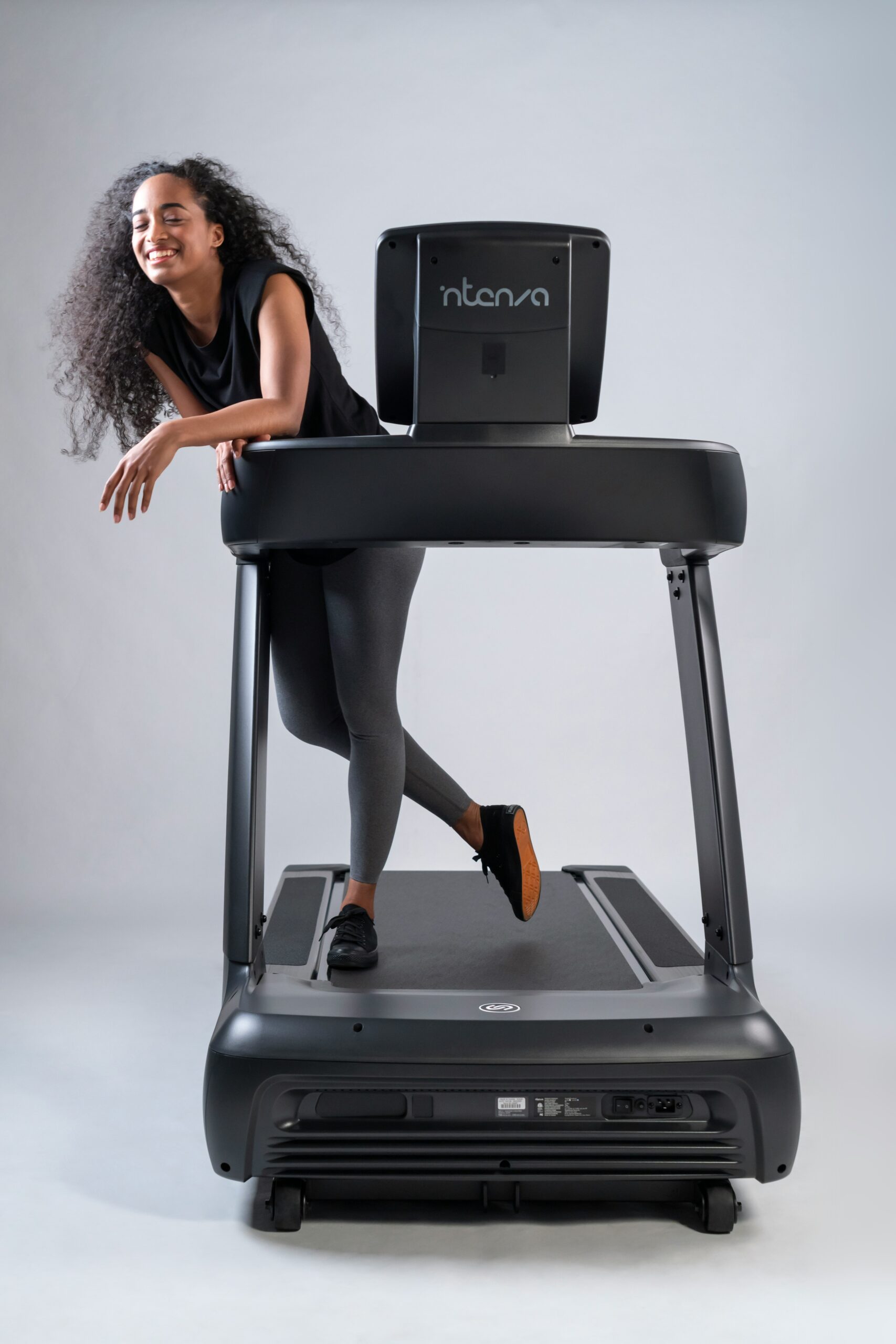
How our muscles and movement change when we stop exercising is simple to understand: without regular activity, muscle strength falls and mobility becomes harder, and these effects grow stronger as we get older.https://www.cdc.gov/physical-activity-basics/guidelines/older-adults.html
Muscle mass and strength depend on use. When muscles are not regularly challenged by activities such as strength work, running, or everyday physical tasks, the body reduces muscle tissue and the neural connections that control it, a process often called sarcopenia when it becomes age related.https://www.openaccessgovernment.org/why-strength-training-is-critical-to-healthy-aging/202399/ Loss of muscle size means less force for tasks like standing from a chair, climbing stairs, or carrying groceries, and loss of neural drive makes movements slower and less coordinated.https://www.ncbi.nlm.nih.gov/pmc/articles/PMC12691713/
Reduced activity also harms balance and joint function. Muscles around the hips, knees, ankles, and core help stabilise posture and protect joints; when these muscles weaken, balance declines and the risk of falls rises, which in turn limits confidence and willingness to move, creating a downward spiral of inactivity and further decline.https://www.cdc.gov/physical-activity-basics/guidelines/older-adults.html
Cardio and aerobic workouts do more than burn calories. Regular aerobic exercise raises heart and lung capacity, supports circulation to muscles, and helps maintain energy systems inside muscle cells, so skipping cardio workouts reduces endurance and the ability to sustain walking, climbing, or other daily activities without fatigue.https://www.cdc.gov/physical-activity-basics/guidelines/older-adults.html Studies in animals and people show that activities such as running can also boost brain chemicals that help coordination and movement, so stopping those activities can subtly undo both motor and cognitive benefits of exercise.https://nyulangone.org/news/exercise-might-help-improve-mobility-during-aging
Strength training specifically protects muscle quality. Even modest resistance work two to three times a week preserves strength, power, and bone density, which all support independence as people age; conversely, lack of resistance activity accelerates functional losses that make daily tasks harder.https://www.openaccessgovernment.org/why-strength-training-is-critical-to-healthy-aging/202399/https://www.ncbi.nlm.nih.gov/pmc/articles/PMC12691713/
Cardiometabolic and cellular effects matter too. Regular exercise reduces chronic inflammation, supports metabolic health, and maintains mitochondrial function in muscle cells; inactivity worsens these processes, which contributes to faster decline and higher risk of chronic disease with age.https://highdesertphysicaltherapy.com/library_newsfeed_2565
Even small amounts of specific activity produce measurable benefits. Research suggests that modest weekly strength training can slow biological aging and improve function, while combining aerobic sessions with resistance work gives the best protection for strength, mobility, and overall health.https://www.womenshealthmag.com/fitness/a69683218/strength-training-8-years-younger-study/https://www.cdc.gov/physical-activity-basics/guidelines/older-adults.html
Practical steps to slow decline include simple, regular habits. Aim for a mix of resistance exercises and cardio workouts that fit your ability, keep walking or light running where safe, practice balance activities, and focus on consistent progression rather than perfect intensity; even starting slowly reduces the rate of muscle loss and improves mobility over time.https://www.cdc.gov/physical-activity-basics/guidelines/older-adults.htmlhttps://www.openaccessgovernment.org/why-strength-training-is-critical-to-healthy-aging/202399/
For people focused on losing weight, exercise choices matter. Combining cardio and strength work helps preserve muscle while reducing fat, which supports mobility; relying only on calorie restriction without activity increases the chance of losing muscle mass rather than fat, making movement more difficult as weight changes occur and age advances.https://www.womenshealthmag.com/fitness/a69683218/strength-training-8-years-younger-study/
Consistency is the most important protective factor against age-related declines in strength and mobility. Stopping or greatly reducing activity speeds muscle loss, reduces endurance, weakens balance, and increases the chance of losing independence, while even modest, regular activity can preserve function and quality of life as we grow older.