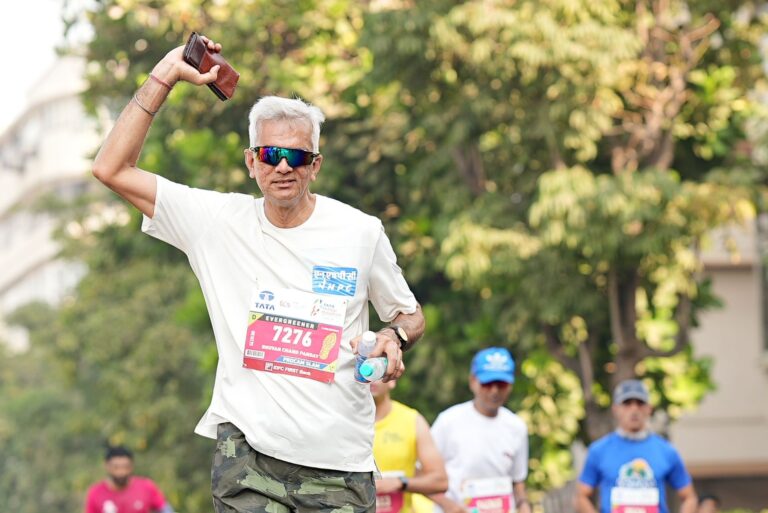
Your body holds onto memories of past cardio workouts, even after a long break, making it easier to pick up intense running or other cardio again than starting from zero. Muscle cells and your nervous system retain adaptations like better oxygen use and endurance, so you can rebuild faster with smart steps.
Think about why you stopped your cardio routine, whether for injury, illness, or life demands. That time off does not erase everything. Experts note the body is highly adaptable, and you can return to exercising safely and often stronger.https://www.womenshealthmag.com/uk/fitness/a69590619/how-to-start-exercising-after-long-break/ For intense cardio like running, your prior training leaves a fitness base that lingers for weeks or months, helping you regain stamina quicker.
Start slow to let your body remember without overload. Begin with short sessions of low-impact cardio, such as 20 to 30 minutes two times a week, focusing on form and ease.https://www.womenshealthmag.com/uk/fitness/a69590619/how-to-start-exercising-after-long-break/https://pliability.com/stories/how-to-start-working-out-again-after-knee-injury If running is your goal, try a program like Couch to 5K at your own pace to rebuild coordination and balance, which may feel off at first.https://www.womenshealthmag.com/uk/fitness/a69590619/how-to-start-exercising-after-long-break/ Add strength work three times a week with light weights and more reps to support your cardio workout and prevent injury.https://www.womenshealthmag.com/uk/fitness/a69590619/how-to-start-exercising-after-long-break/
Progress by increasing volume or intensity by no more than 10 to 20 percent each week, watching for signs like pain or stiffness.https://pliability.com/stories/how-to-start-working-out-again-after-knee-injury Build consistency first with small frequency boosts over three to four weeks before ramping up time in sessions.https://www.triathlete.com/training/how-to-get-back-into-ironman-shape-after-a-break/ Cross-train with cycling or swimming to maintain cardio benefits while giving joints a break and fighting mental fatigue.https://www.triathlete.com/training/how-to-get-back-into-ironman-shape-after-a-break/
This approach helps with loosing weight too, as steady cardio workouts burn calories while your body recalls efficient fat use from before. Listen to cues like dizziness or dread, and rest or swap activities if needed to avoid setbacks.https://pliability.com/stories/how-to-start-working-out-again-after-knee-injuryhttps://www.triathlete.com/training/how-to-get-back-into-ironman-shape-after-a-break/ After illness or minor injury, a 20-minute strength routine targeting legs, core, and upper body eases you back, proving you retain progress over short breaks.https://www.nourishmovelove.com/exercise-after-being-sick/
Over six weeks of gradual running and cardio, you will notice your body adapting back, with improved durability and no full loss of prior gains.https://www.triathlete.com/training/how-to-get-back-into-ironman-shape-after-a-break/ Pair it with mobility drills to retrain balance and proprioception, your sense of body position in space.https://www.physicaltherapt.com/field-research-blog Sustainable habits beat one-off intense efforts every time.