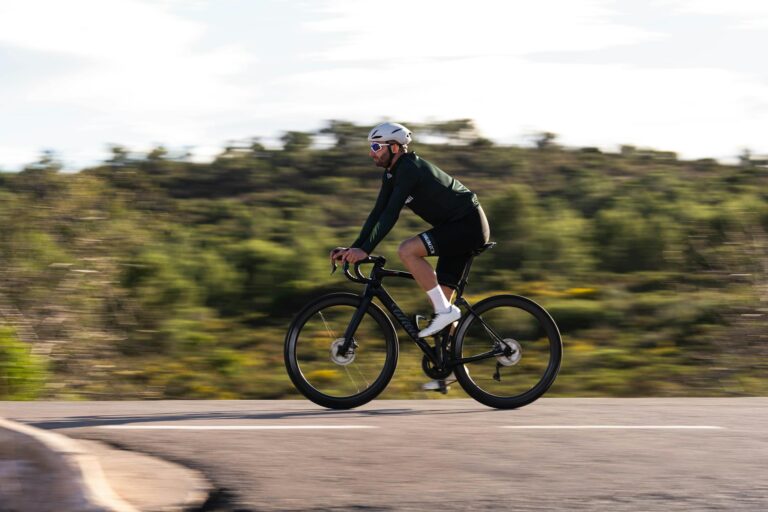
The fastest way to earn intensity minutes is through high-impact cardiovascular exercises that elevate your heart rate to 70 percent of your maximum for sustained periods. Running at a moderate to fast pace, high-intensity interval training (HIIT), and sports like tennis or basketball are the most efficient methods, often earning multiple intensity minutes per minute of actual exercise. For example, a 20-minute run at 6 miles per hour typically generates 18-20 intensity minutes on most fitness trackers, while the same time spent walking—even briskly—might yield only 2-4 intensity minutes.
Intensity minutes represent a core metric in modern fitness tracking, measuring cardiovascular work above a threshold rather than simple movement. Understanding which exercises maximize this metric helps you meet fitness goals faster and optimize your training time. The difference between exercises can be dramatic: 30 minutes of casual cycling might earn 5-10 intensity minutes, while 30 minutes of HIIT could earn 25-30.
Table of Contents
- Which Exercises Burn Intensity Minutes the Fastest?
- The Role of Heart Rate Zones in Intensity Minute Calculation
- Sports That Accumulate Intensity Minutes Efficiently
- Comparing Steady-State Cardio Versus Interval Training for Results
- The Overtraining Risk and Heart Rate Ceiling
- Accessible Alternatives for Different Fitness Levels
- Future Trends in Intensity Tracking and What Matters
- Conclusion
Which Exercises Burn Intensity Minutes the Fastest?
Running remains the gold standard for rapid intensity minute accumulation, especially at speeds above 6 miles per hour. Even at moderate paces, running consistently triggers the elevated heart rate zones that fitness trackers register as intensity minutes. Sprinting or tempo running can earn 45-60 intensity minutes in just 20 minutes of work, though this isn’t sustainable for most people doing it daily. HIIT workouts are equally effective and sometimes more practical for busy schedules.
A 15-minute session of jump rope, burpees, and mountain climbers performed at near-maximum effort can generate 14-15 intensity minutes. The advantage of HIIT is the time efficiency: you’re pushing hard for shorter windows, then recovering, which fits into packed schedules better than maintaining a steady fast pace for 30-45 minutes. Rowing machines offer underrated intensity minute potential. A vigorous 25-minute rowing session typically earns 20+ intensity minutes while being gentler on joints than running. This makes rowing particularly valuable for people who’ve experienced running injuries but still want to hit intensity targets.

The Role of Heart Rate Zones in Intensity Minute Calculation
Intensity minutes are fundamentally tied to your individual heart rate zones, calculated from your maximum heart rate. For most adults, the intensity zone threshold sits around 70 percent of maximum heart rate, though some trackers use 77 percent or other formulas. This means a 30-year-old with a max heart rate of 190 needs to maintain roughly 133+ beats per minute to register intensity minutes, while a 50-year-old with a max heart rate of 170 needs to stay above 119 beats per minute. The limitation here is significant: generic fitness tracker calculations of maximum heart rate are often inaccurate.
Many trackers estimate max heart rate as simply 220 minus your age, which can be off by 10-20 beats per minute for individuals. This means some people may be working harder than their tracker recognizes, while others might hit the threshold more easily than they realize. Getting a field test or using more accurate prediction methods—like the Karvonen formula that factors in resting heart rate—can change how you approach intensity minute goals. Some people find their actual max heart rate is much higher than estimated, meaning they need to work harder to reach the threshold. This is why comparing intensity minutes between individuals doesn’t always reflect actual effort levels.
Sports That Accumulate Intensity Minutes Efficiently
Competitive sports like basketball, tennis, and soccer are highly variable but efficient intensity minute earners when played at recreational or competitive intensity. A 45-minute tennis match often generates 30-40 intensity minutes because of the constant movement, quick directional changes, and brief rest periods between points. The intermittent nature of these sports means you’re not sustaining effort the entire time, but you’re hitting the zone repeatedly. Swimming at moderate to fast pace is another underutilized option, earning roughly the same intensity minute rate as running but with zero impact on joints.
Many swimmers find they can sustain swimming effort longer than running because of the full-body distribution of work and cooling effect of water. A 30-minute swim at a consistent moderate pace generates 15-25 intensity minutes depending on stroke choice and speed. Stair climbing and incline treadmill running create intensity minutes faster than flat-surface running because they demand more muscular effort. Climbing stairs for 20 minutes can generate 18-22 intensity minutes for most people, and it requires less impact stress than road running.
Comparing Steady-State Cardio Versus Interval Training for Results
Steady-state cardio—maintaining a consistent, elevated pace—requires more time but is more sustainable long-term. A 45-minute run at a comfortably hard pace might earn 40-45 intensity minutes, and many runners find this easier to execute than shorter, harder efforts. The tradeoff is that you need to protect these longer time blocks in your schedule regularly. Interval training accelerates intensity minute accumulation per unit of time but demands higher perceived effort and recovery.
A 20-minute HIIT session might match the intensity minute output of a 40-minute steady run, but it’s mentally and physically harder. For people who struggle with consistency, the shorter time commitment of HIIT is appealing, but the high intensity makes it harder to do daily. A practical middle ground many runners use is mixing these approaches: two to three 20-30 minute steady runs weekly, plus one shorter HIIT session. This strategy balances efficiency, sustainability, and avoiding overtraining. Research suggests variety also prevents plateaus where your body adapts to one training type.
The Overtraining Risk and Heart Rate Ceiling
Chasing intensity minutes aggressively creates a real overtraining risk, particularly if you’re using intensity as your only fitness metric. Some people push themselves to maximum effort five or six days weekly trying to rack up numbers, which leads to burnout, elevated resting heart rate, mood changes, and declining performance. Your body has limits on how much high-intensity stress it can absorb and recover from.
A practical warning: if your resting heart rate creeps up 5-10 beats above your baseline, or you feel constantly fatigued despite adequate sleep, you’re likely overreaching. Intensity minutes are a useful metric, but they shouldn’t override recovery and long-term health. Most fitness professionals recommend no more than three high-intensity sessions weekly for most people, with the remaining days being moderate or easy effort.

Accessible Alternatives for Different Fitness Levels
Not everyone can run, and that shouldn’t stop you from earning intensity minutes. Elliptical machines are often underestimated—at high resistance and speed settings, they generate intensity minutes at nearly the same rate as running but with less impact.
A 30-minute elliptical session at resistance level 12-15 and high speed typically yields 20-25 intensity minutes for most people. Kickboxing classes and dance fitness workouts are highly effective, earning 25-30 intensity minutes in 45-minute sessions while being more engaging for people who find solo cardio monotonous. These formats also reduce the likelihood of the mental fatigue that comes with running alone.
Future Trends in Intensity Tracking and What Matters
Fitness trackers continue evolving their intensity minute algorithms, with some newer devices incorporating power output, VO2 max zones, or personalized exertion thresholds instead of just heart rate. As these technologies improve, the intensity minutes metric will likely become more individualized, potentially better reflecting actual training stress compared to today’s universal 70-percent-max approach.
What remains constant is this: intensity minutes are a tool to measure cardiovascular work, not an end in themselves. The real goal is building aerobic fitness, which happens through consistent training that feels sustainable. Whether you earn intensity minutes through running, rowing, HIIT, or sports, the key is choosing exercises you’ll actually do regularly, then progressing gradually as fitness improves.
Conclusion
Earning intensity minutes fast requires choosing exercises that reliably push your heart rate above 70 percent of maximum: running and HIIT are the most efficient time-wise, but rowing, swimming, and competitive sports also deliver excellent results with different benefits. The specific exercise matters less than consistency and avoiding the trap of pushing too hard too often.
Your best approach is experimenting with the exercises listed here, finding the two or three that fit your schedule and preferences, then building a routine around those. Track intensity minutes as a motivator and progress metric, but remember that sustainable fitness comes from balanced training that includes recovery. Start with whatever activity you’re most likely to stick with, gradually increase intensity as your fitness improves, and reassess every four weeks to ensure you’re progressing without burning out.