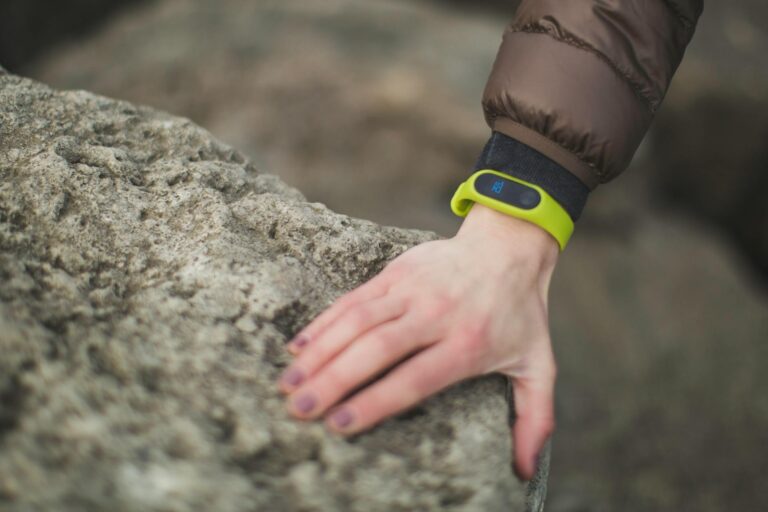
Intensity minutes are a measure of exercise time spent at elevated heart rates or high exertion levels. They track the duration during which your heart is working harder than its resting state, typically during moderate to vigorous exercise. If you go for a 30-minute run and spend 20 of those minutes at an elevated heart rate, you’ve earned roughly 20 intensity minutes—though the exact calculation depends on your age, fitness level, and which device or app is measuring. Most health trackers, including smartwatches and fitness rings, automatically count intensity minutes as you move throughout the day.
A brisk walk, a cycling session, or a competitive sports game all contribute to your daily intensity minute total. This metric matters because health organizations like the World Health Organization recommend adults get at least 150 minutes of moderate-intensity activity per week, making intensity minutes a straightforward way to track whether you’re hitting that guideline. The concept simplifies exercise tracking by focusing on effort rather than distance or calories. Instead of wondering whether your workout “counted,” intensity minutes give you a specific number to work toward, making fitness goals feel more concrete and achievable.
Table of Contents
- How Do Fitness Devices Calculate Intensity Minutes?
- The Difference Between Intensity Minutes and Steps or Calories
- Why Intensity Minutes Matter for Your Health
- How to Earn Intensity Minutes in Your Daily Life
- The Limitations of Relying Solely on Heart Rate Intensity
- How Your Age and Fitness Level Affect Intensity Minute Calculations
- The Future of Intensity Tracking and Wearable Technology
- Conclusion
How Do Fitness Devices Calculate Intensity Minutes?
Your smartwatch or fitness tracker calculates intensity minutes by monitoring your heart rate in real time. The device establishes your baseline resting heart rate, then measures when your actual heart rate exceeds a certain threshold—typically around 50-60% of your maximum heart rate for moderate-intensity minutes, and higher percentages for vigorous-intensity minutes. For someone with a resting heart rate of 60 beats per minute and a maximum heart rate of 180, moderate-intensity exercise would occur around 120 beats per minute. Different manufacturers use slightly different algorithms, which is why the same workout might show different intensity minute counts across devices.
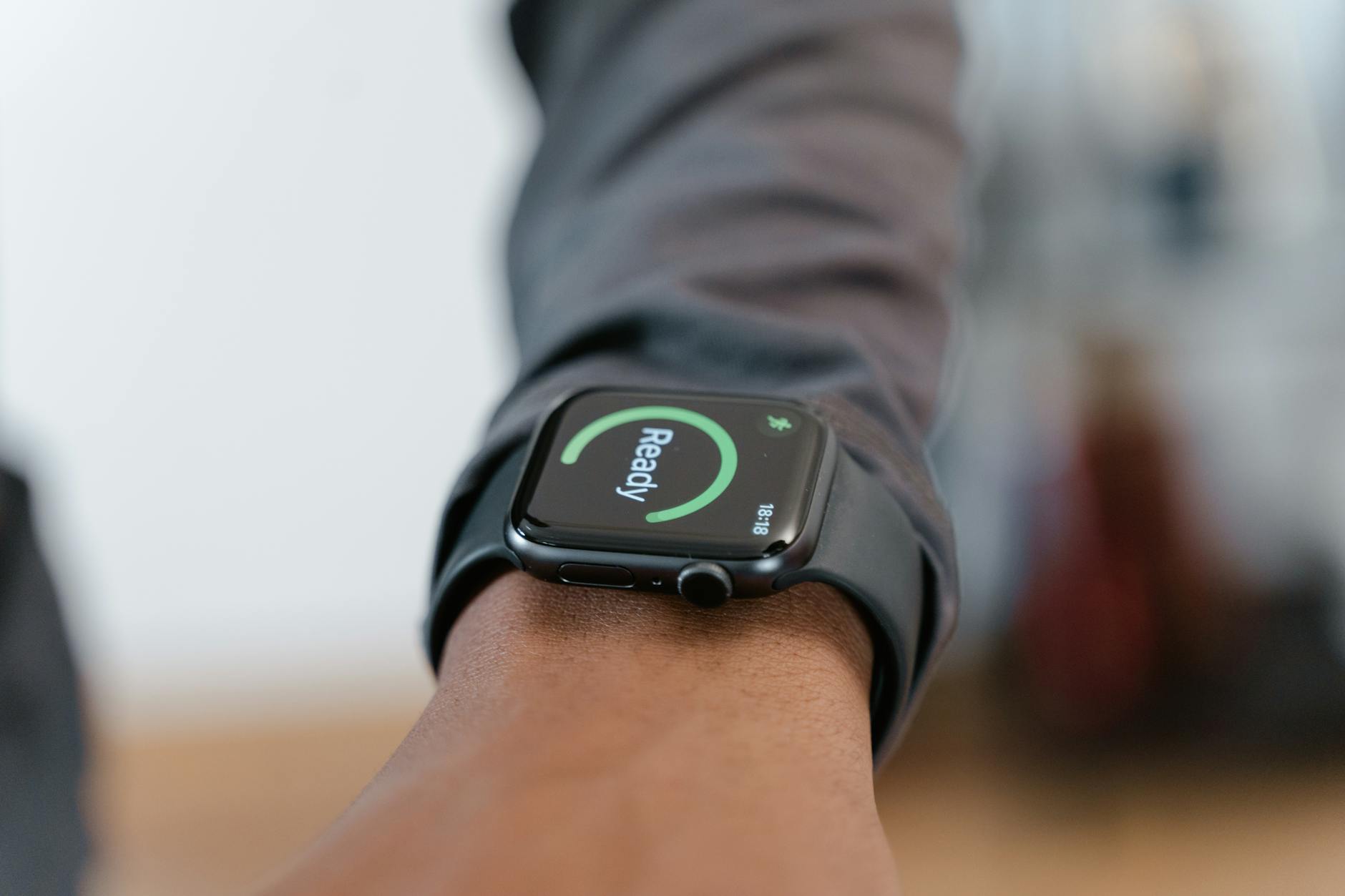
Apple Watch, Fitbit, and Garmin each have their own calculation methods based on their proprietary technology. Additionally, your personal fitness data—including age, weight, and workout history—influences how the device interprets your effort level. An easy pace for a trained runner might count as high-intensity exercise for someone just starting their fitness journey. The limitation here is significant: these calculations are estimates, not medical measurements. A device cannot account for factors like whether you’re on flat ground or climbing hills, whether you’re pushing hard mentally but your heart rate hasn’t caught up, or whether you’re naturally low-responders with a slower heart rate even during intense effort.
The Difference Between Intensity Minutes and Steps or Calories
While steps count every footfall regardless of speed, and calories represent energy expenditure, intensity minutes focus exclusively on cardiovascular effort. You could walk 10,000 steps slowly and earn few or no intensity minutes. That same person might jog for 20 minutes at a faster pace and earn 20 intensity minutes despite covering less distance. This distinction matters because cardiovascular fitness improvements come from elevated heart rate work, not from movement volume alone. Calories burned depend on your body weight, metabolism, and activity type, making them highly variable between individuals.
Intensity minutes remove that variability by looking at relative effort—a standardized metric that applies whether you weigh 150 pounds or 250 pounds. For this reason, intensity minutes are more useful for tracking whether you’re meeting health guidelines, since those guidelines are based on cardiovascular work rather than calorie burn. The tradeoff is that intensity minutes don’t capture all forms of valuable exercise. Strength training might not elevate your heart rate enough to register as intensity minutes, even though it provides significant health benefits. Flexibility and balance work—equally important for longevity—typically earn zero intensity minutes on your tracker.
Why Intensity Minutes Matter for Your Health
The World Health Organization and most public health bodies recommend 150 minutes of moderate-intensity aerobic activity per week for adults, or 75 minutes of vigorous-intensity activity. These recommendations aren’t arbitrary; they’re based on decades of research showing that this amount of cardiovascular work significantly reduces risk of heart disease, stroke, diabetes, and early mortality. By tracking intensity minutes, you have a simple indicator of whether you’re meeting these evidence-based standards. Beyond hitting a number, maintaining consistent intensity minutes helps your cardiovascular system adapt and become more efficient.
When you regularly elevate your heart rate, your heart becomes stronger, your blood vessels become more flexible, and your body becomes better at delivering oxygen throughout your system. Someone tracking 150 intensity minutes per week will see measurable improvements in aerobic capacity, blood pressure, and resting heart rate within a few months. There’s also a psychological benefit. Unlike vague fitness goals like “exercise more,” intensity minutes give you a concrete daily target. This specificity makes it easier to maintain motivation, since you can see progress accumulating throughout the day and week.

How to Earn Intensity Minutes in Your Daily Life
Intensity minutes don’t require the gym or structured workouts. A brisk walk—generally defined as 3 to 4 miles per hour—counts as moderate-intensity activity for most people. A 30-minute lunch break spent walking at that pace could earn 25-30 intensity minutes. For comparison, an easy stroll around the neighborhood at 2 miles per hour might earn zero, while a 6 miles per hour pace would likely earn nearly full credit as vigorous intensity. Sports and recreational activities naturally generate high intensity minutes.
A 45-minute tennis match might earn 35-40 intensity minutes, while casual recreational swimming could earn 20-30 in the same timeframe. The advantage of mixing in sports and activities you enjoy is that you’re more likely to maintain them long-term. Someone who hates running but loves cycling will stick with cycling and accumulate intensity minutes more consistently than someone forcing themselves through joyless runs. The practical consideration is that not all exercise has to be continuous to count. Many trackers now recognize “active sessions” that accumulate throughout the day—a bit of brisk walking in the morning, some stairs climbed midday, and a short workout in the evening all combine toward your weekly total. This makes the 150-minute goal feel less intimidating than it might if you thought you needed one large block of exercise time.
The Limitations of Relying Solely on Heart Rate Intensity
Heart rate is a useful but imperfect measure of exercise intensity. Some people naturally have higher or lower heart rates due to genetics, fitness level, or even caffeine and stress—meaning two people doing identical workouts might show completely different intensity minute counts. Additionally, heart rate responds to non-exercise factors. If you’re stressed or anxious, your heart rate elevates even while resting, potentially inflating your intensity minute counts. Environmental conditions also affect the accuracy of heart rate-based intensity tracking.
Altitude, heat, and humidity all increase your heart rate response to the same physical effort, potentially overestimating your actual intensity. A person climbing mountains will accumulate intensity minutes faster than someone doing the same effort on flat ground, even though the actual cardiovascular adaptation might be similar. Another warning: chasing intensity minutes can lead to overtraining if not balanced with recovery. If you obsessively maximize your daily intensity minutes, you risk pushing your body too hard without adequate rest, which actually undermines fitness gains and increases injury risk. Health comes from the balance between challenge and recovery, not from the highest possible intensity minute count.

How Your Age and Fitness Level Affect Intensity Minute Calculations
A 25-year-old and a 65-year-old will earn intensity minutes at different heart rates for the same activity. The younger person has a higher estimated maximum heart rate, so the threshold for moderate and vigorous intensity is higher in absolute terms. This is why most devices ask for your age when you set them up. Without age adjustment, the calculation wouldn’t fairly reflect effort across age groups.
Your baseline fitness level also matters. Someone training for a marathon will have a lower resting heart rate and higher maximum heart rate than someone who’s sedentary, meaning the same running pace produces different intensity minute counts. As your fitness improves, activities that once counted as vigorous may eventually count as moderate intensity, requiring you to push harder or longer to maintain the same intensity minute targets. This progression is actually a sign that your fitness is improving.
The Future of Intensity Tracking and Wearable Technology
Wearable technology continues evolving beyond simple heart rate monitoring. Newer devices incorporate metrics like heart rate variability, blood oxygen levels, and respiratory rate to create more nuanced measures of exercise intensity. Some advanced trackers now use GPS data combined with altitude and terrain to estimate energy expenditure more accurately.
Over time, these multi-factor approaches should provide more precise intensity calculations than heart rate alone. The broader trend is toward personalization and adaptation. Rather than applying the same 150-minute weekly target to everyone, future fitness systems may generate personalized intensity recommendations based on your individual baseline, age, health status, and goals. This shift toward precision health means your intensity minute targets and calculations may become increasingly tailored to your specific circumstances, making the metric even more useful for optimizing your personal fitness journey.
Conclusion
Intensity minutes are simply a measure of how long your heart works at an elevated rate during exercise. They provide a practical way to track whether you’re meeting evidence-based health guidelines without needing a fitness science degree to understand them. The metric removes confusion about whether your workout “counts” by giving you a specific, measurable goal to work toward.
However, intensity minutes are a tool, not the whole picture of fitness. Use them alongside other metrics—strength training, flexibility work, and sleep quality—to build comprehensive fitness. Keep realistic expectations about what your tracker can measure, remember that consistency matters more than maximizing daily counts, and focus on activities you enjoy so you’ll sustain them long-term. By understanding how intensity minutes work and what they actually measure, you can use this metric effectively without letting it oversimplify or overshadow other important aspects of your health.