As you age, skipping exercise speeds up the natural drop in your physical strength and balance, making everyday tasks harder and raising the risk of falls that can steal your independence.https://acsm.org/physical-activity-function-older-age/https://www.the-independent.com/news/science/peak-physical-age-ability-activity-b2885960.html Physical ability often peaks around age 35, then declines by 30 to 48 percent by age 63 if you stay sedentary, leading to weaker muscles and poorer coordination.https://www.the-independent.com/news/science/peak-physical-age-ability-activity-b2885960.htmlhttps://www.aol.com/articles/decades-long-study-reveals-age-045343882.html
Without regular movement, your body loses function faster. One in four people over 65 falls each year, and falls cause most injury-related hospital visits and deaths in this group.https://acsm.org/physical-activity-function-older-age/https://www.cdc.gov/physical-activity-basics/health-benefits/older-adults.html Inactivity makes this worse by weakening bones, slowing reaction times, and cutting muscle mass, which hits balance hard.https://time.com/7323121/strength-training-exercises-aging-health-benefits/ A bad fall can break hips or bones, spark fear of moving, and trap you at home, ending your ability to shop, drive, or visit friends on your own.https://acsm.org/physical-activity-function-older-age/
Chronic health issues pile on when you do not move. About 80 percent of adults over 60 have at least one long-term condition, and sitting too much speeds up disability and raises death risk.https://acsm.org/physical-activity-function-older-age/https://pmc.ncbi.nlm.nih.gov/articles/PMC12670851/ Lack of activity links to heart disease, type 2 diabetes, dementia, some cancers, and frail muscles called sarcopenia, all of which cut your freedom to live alone.https://www.cdc.gov/physical-activity-basics/health-benefits/older-adults.htmlhttps://time.com/7323121/strength-training-exercises-aging-health-benefits/https://society-scwd.org/exercise/
Even loosing weight becomes tough without exercise, as inactivity packs on fat while shrinking muscle, worsening sarcopenic obesity that ties to disability.https://www.cdc.gov/physical-activity-basics/health-benefits/older-adults.htmlhttps://society-scwd.org/exercise/ Daily habits fade too, like climbing stairs or carrying groceries, because endurance drops and joints stiffen from disuse.https://www.seniorsguide.com/health/age-affects-exercise-capacity/
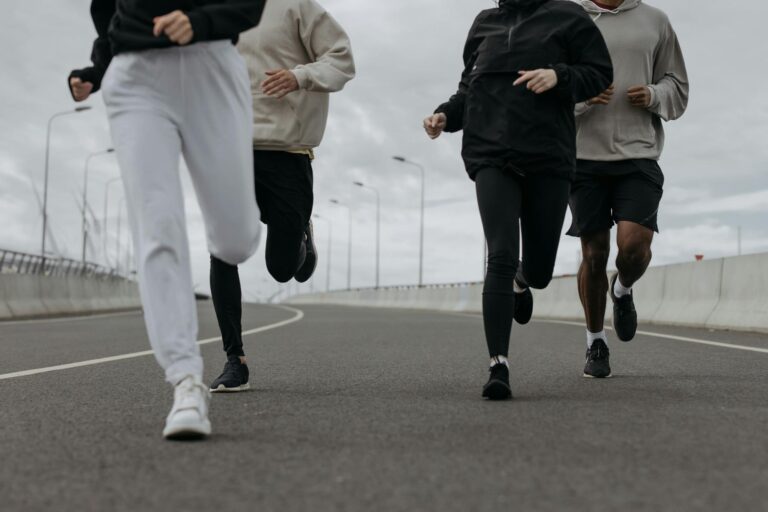
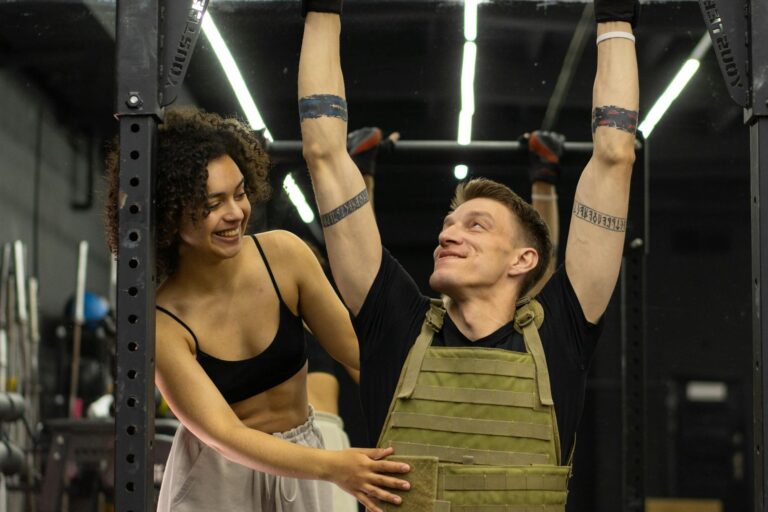
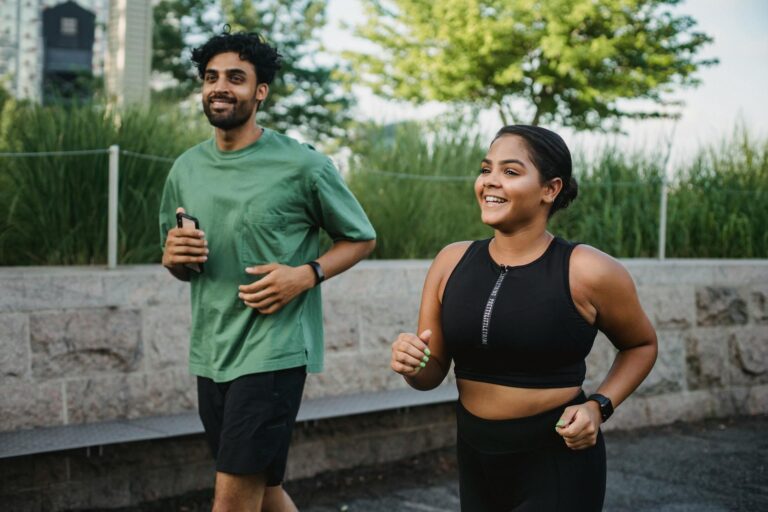
The good news is you can fight back at any age. Adding cardio, a cardio workout like running, or strength moves cuts fall risk by 32 to 40 percent and boosts function in a dose-response way, meaning more activity yields more gains.https://acsm.org/physical-activity-function-older-age/ Starting later still improves capacity by 5 to 10 percent, slows decline, and helps you stay independent longer.https://www.the-independent.com/news/science/peak-physical-age-ability-activity-b2885960.html Balance and strength training sharpen brain-muscle links to prevent stumbles, while aerobic work guards your heart and brain.https://time.com/7323121/strength-training-exercises-aging-health-benefits/https://pmc.ncbi.nlm.nih.gov/articles/PMC12670851/