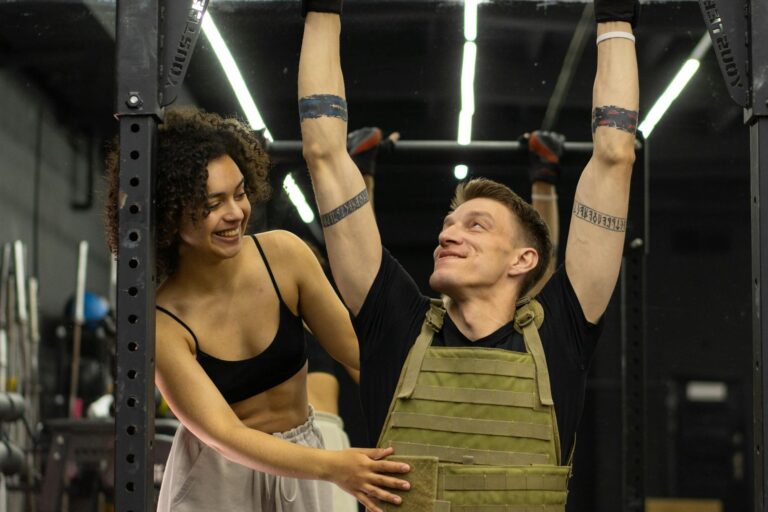
Many people accept physical decline instead of rebuilding movement because fear, habits, and misconceptions make inactivity feel easier and safer than the hard work of retraining the body and mind. https://pmc.ncbi.nlm.nih.gov/articles/PMC12670851/
Loss of confidence after an injury or the slow slide of aging changes how people see their bodies, and that change in identity often leads to avoiding effortful movement rather than rebuilding it https://pmc.ncbi.nlm.nih.gov/articles/PMC12670851/. Physical sensations that once felt normal can become signals of risk, so a simple ache becomes a reason to stop instead of adapt through graded training and guidance https://pmc.ncbi.nlm.nih.gov/articles/PMC12670851/.
Practical barriers also matter. Busy schedules, limited access to safe spaces or professionals, and low energy create real obstacles to starting strength work, flexibility routines, or even gentle cardio workouts that could restore function https://thekensingtonwhiteplains.com/empowering-aging-strength-training-and-group-exercise-for-vitality/. When people believe exercise must be intense or require a gym membership, they are less likely to try low-cost, effective options like walking, resistance bands, or supervised progressive programs that rebuild muscle and balance https://parphysicaltherapy.com/library_newsfeed_2565.
Misinformation and narrow beliefs about exercise contribute to inaction. Many assume that aging inevitably means decline and that nothing can be done; however, research shows tailored, multicomponent exercise slows or reverses many age related changes when people consistently do aerobic activity, resistance training, balance work, and flexibility practice https://parphysicaltherapy.com/library_newsfeed_2565. That same evidence supports using simple cardio, interval walking, and strength sessions to preserve independence and reduce disease risk https://saveourbones.com/all-about-the-benefits-of-interval-walking-training/.
Emotional states play a role. Depression, anxiety, and shrinking social networks reduce motivation to start or maintain activity; group classes and community programs often help people stick with movement by adding social reward and accountability https://thekensingtonwhiteplains.com/empowering-aging-strength-training-and-group-exercise-for-vitality/. Exercise also improves mood and cognitive function, creating a positive feedback loop once people overcome the initial barrier to begin moving again https://www.inmindwise.com/p/dont-underestimate-exercise-life.
People sometimes prioritize short term convenience over long term capacity. Choosing a sedentary option avoids immediate discomfort but accelerates muscle loss, poorer balance, and lower endurance that make later recovery harder; conversely, modest regular activity like walking, short cardio workout sessions, or basic strength exercises preserves function and makes later activity easier https://parphysicaltherapy.com/library_newsfeed_2565.
Simple, realistic steps can help someone move from acceptance of decline to rebuilding movement: start with brief sessions that combine gentle cardio and strength, work with a clinician or trainer for progression, join group classes for social support, and reframe goals from appearance or loosing weight to daily function and enjoyment https://parphysicaltherapy.com/library_newsfeed_2565. Even interval walking or standing strength moves can change biology and mood, making further gains possible and sustainable https://saveourbones.com/all-about-the-benefits-of-interval-walking-training/.
Practical programs and physical therapy approaches exist to rebuild movement at any age, emphasizing progressive overload, task specific practice, and balance training rather than all-or-nothing thinking. Reframing activity to include familiar forms like running for those who can, or low impact cardio alternatives for others, helps people choose movement that fits their lives and goals https://houghtonphysicaltherapy.com/physical-therapy-for-senior-mobility-maintaining-independence-at-any-age/.