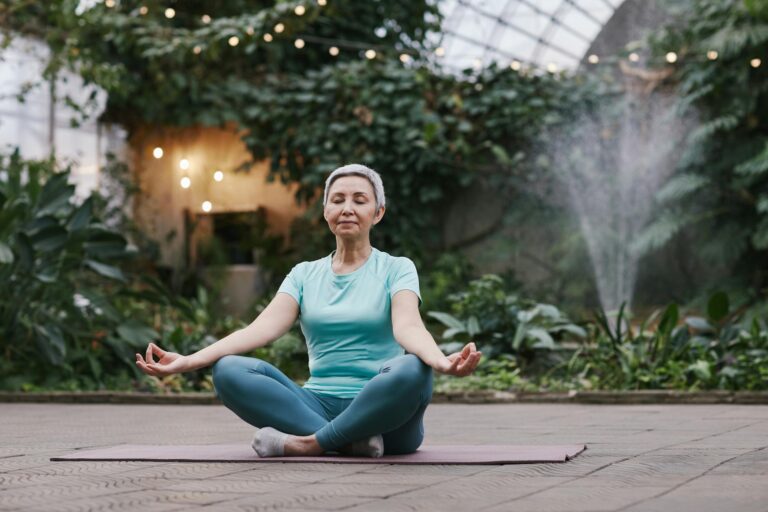
When you stop exercising as you age, your joints stiffen up and lose flexibility over time. Muscles weaken around the joints, making everyday moves like bending or reaching feel harder and more painful.
Joints are the spots where bones meet, cushioned by cartilage that keeps things smooth. As years go by, natural wear happens anyway, but skipping exercise speeds it up. Without regular movement, that cartilage thins out faster. Muscles that hold joints steady get smaller and less strong. This leaves joints unprotected, raising the risk for issues like osteoarthritis, where pain and swelling set in.https://www.fitandwell.com/wellness/if-you-suffer-from-joint-pain-or-osteoarthritis-exercise-should-be-your-first-line-of-treatment-according-to-this-physiotherapisthttps://www.onepeloton.com/blog/does-exercise-help-arthritis
Flexibility drops too because tendons and ligaments, the tough bands around joints, shorten when not stretched. Range of motion shrinks, so you might struggle to touch your toes or turn your head fully. Blood flow to joints slows without activity, starving them of nutrients needed to stay healthy. Over time, this builds to aches during simple tasks.https://www.fitandwell.com/wellness/if-you-suffer-from-joint-pain-or-osteoarthritis-exercise-should-be-your-first-line-of-treatment-according-to-this-physiotherapist
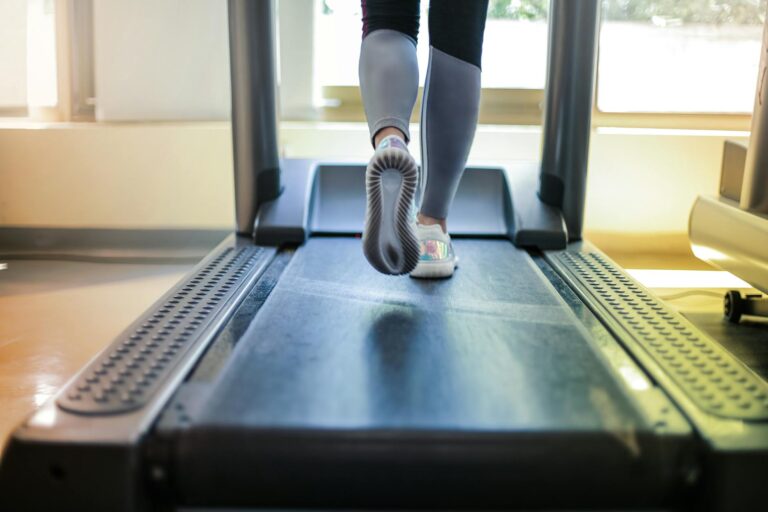
Think about running or a cardio workout. These keep joints lubricated and muscles toned, helping with loosing weight and cutting stress on knees and hips. Runners build leg strength that shields against joint breakdown, even as they age. But stop the running, and that protection fades quick. Joints face more pounding from daily life without the backup.https://www.fitandwell.com/wellness/if-you-suffer-from-joint-pain-or-osteoarthritis-exercise-should-be-your-first-line-of-treatment-according-to-this-physiotherapisthttps://www.performancelab.com/blogs/joint-support/joint-supplements-for-runners
Cardio like brisk walking or cycling pumps oxygen to joints, easing stiffness. A solid cardio workout boosts heart health, which ties right into better joint support for older folks. Drop it, and recovery from any strain takes longer, piling on fatigue.https://www.jriosmd.com/blog/why-cardiovascular-fitness-is-key-for-athletes-of-all-ages/?bp=44735
Bones play a part too. Exercise helps them stay dense with minerals like calcium and magnesium. Without it, especially after running long distances, bones weaken, making joints even shakier.https://www.performancelab.com/blogs/joint-support/joint-supplements-for-runners
The change sneaks up. Maybe weeks or months pass before you notice less bend in your knees or tighter shoulders. Pain might start mild after sitting too long, then stick around. Older adults who quit moving see this hit harder, as age already trims natural bounce.https://www.fitandwell.com/wellness/if-you-suffer-from-joint-pain-or-osteoarthritis-exercise-should-be-your-first-line-of-treatment-according-to-this-physiotherapist