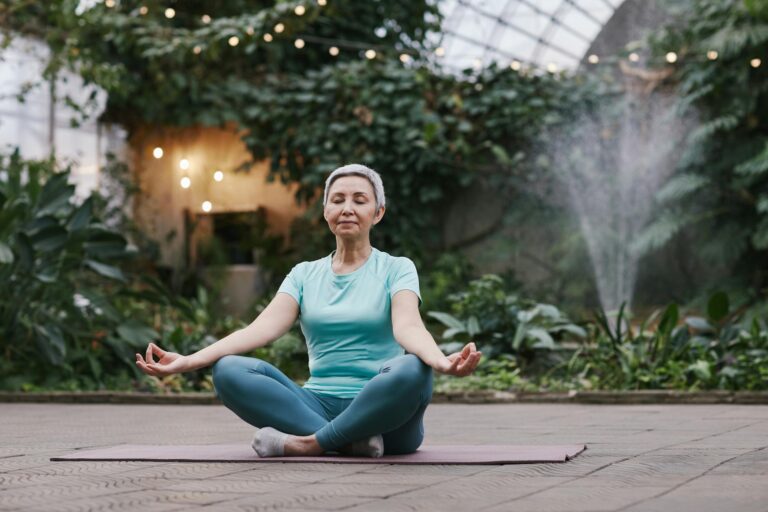
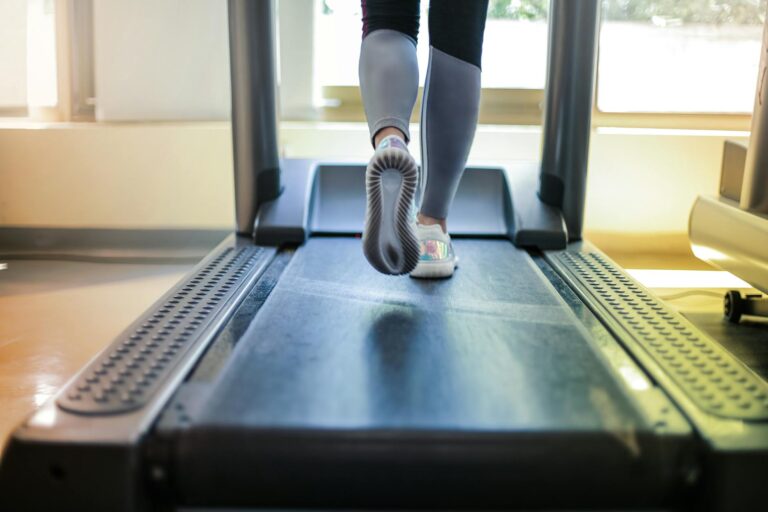
Building trust in your body starts with small, repeatable movements you can do safely and confidently every day. These low risk movements teach your nervous system that you are capable, resilient, and in control of your physical self, which makes more ambitious activity like running or a cardio workout feel manageable and less threatening.
Why repeatable, low risk movement works
– The nervous system learns by repetition, so gentle, consistent movement reduces fear signals and increases comfort with motion.https://pmc.ncbi.nlm.nih.gov/articles/PMC12683838/
– Simple movement paired with open, relaxed posture signals safety to both your brain and to others, reinforcing trust in your body’s abilities.https://www.helpguide.org/relationships/communication/effective-communication
– Small wins-like completing a set of controlled squats or a steady 10 minute walk-create positive feedback that encourages more movement and reduces avoidance.
How to begin: practical, low risk options
– Breathing and gentle joint mobility: Start sessions with diaphragmatic breathing and slow circles for the neck, shoulders, hips, and ankles to restore calm and increase safe range of motion.https://www.helpguide.org/relationships/communication/effective-communication
– Weight-bearing standing drills: Practice shifting weight from one foot to the other while keeping an open chest and relaxed shoulders to build balance and confidence in simple stance control.https://francescopecoraro.com/the-body-language-move-that-doubles-your-credibility/
– Slow, controlled movements: Perform slow sit to stand repetitions, step-ups on a low step, or wall push-ups. Keep intensity low and focus on smooth, repeatable form.
– Short, consistent walks: A daily 10 to 20 minute walk is a low risk way to reintroduce dynamic movement and begin building capacity for longer efforts like running or cardio sessions.https://pmc.ncbi.nlm.nih.gov/articles/PMC12683838/
Designing a safe progression
– Frequency over intensity: Aim for daily or near-daily practice of short, low-risk movements rather than infrequent intense workouts. This helps the body and mind accept movement as normal.
– Incremental load: Increase duration or repetitions by no more than 10 percent per week to avoid setbacks.
– Feedback and awareness: Use simple cues such as open palms, soft shoulders, and steady breathing to reduce tension while moving.https://www.betterhelp.com/advice/body-language/unconfident-vs-confident-body-language/
– Record small wins: Note when a movement feels easier or less threatening. These records reinforce trust-building.
Bringing these movements into fitness goals
– Preparing for running: Build up walking, then walk-run intervals with a high ratio of walking to running until confidence and durability improve.
– Cardio and cardio workout readiness: Use low-impact cardio like cycling or swimming as bridge activities while your body and confidence build for higher impact cardio workouts.
– Support for loosing weight goals: Low risk, frequent movement maintains consistency and helps create sustainable calorie expenditure and habit formation that supports loosing weight over time.
Social and psychological supports
– Use open posture and visible hands when exercising with others or working with a coach to enhance feelings of safety and trust in the environment.https://francescopecoraro.com/the-body-language-move-that-doubles-your-credibility/
– Seek feedback and mirroring from a trusted partner or professional to accelerate trust-building through synchronized movement.https://pmc.ncbi.nlm.nih.gov/articles/PMC12683838/
Safety and when to get help
– Stop or modify if a movement causes sharp pain, sudden swelling, significant instability, or neurological symptoms.
– Consult a healthcare professional if you have a recent injury, surgery, or a medical condition that could be affected by increased activity.
Building trust in your body is a gradual process of safe, repeatable practice. Small, low risk movements repeated reliably change how your nervous system responds, making running, cardio workouts, and longer fitness goals feel achievable and sustainable.