Balance and Mobility: New Findings on Running’s Effectiveness for Fall Prevention
Falls are a big worry for many older adults, often leading to injuries, fear, and less daily activity. Recent insights show that running, when done right, can sharpen balance and mobility to help prevent these falls.
Balance keeps us steady on our feet by blending signals from our eyes, inner ears, and muscles. When fear of falling creeps in, people take shorter steps, slow down, and move less overall. This creates a cycle where weaker muscles and poorer coordination make falls more likely. Experts now point to simple activities like running as a way to break that cycle.
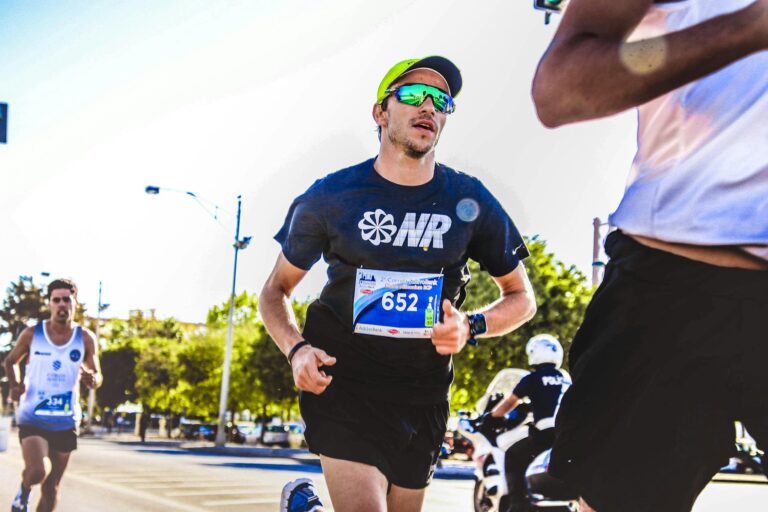
New studies highlight how running builds key skills for stability. Strength training tied to running, such as plyometrics or weights, boosts muscle power and efficiency. Across many trials with endurance athletes, these methods cut injury risks and improved times in short races like 3K and 5K. For fall prevention, this means stronger legs and better control during quick moves or uneven ground.
Warm-ups and cool-downs make running safer. Before a run, try leg swings, marching, or skipping for 10 to 15 minutes to loosen hips and prepare joints. After, stretch tight spots like hamstrings, calves, and hip flexors to ease tension and lower strain on ankles and feet. These steps fight the tightness from repetitive running strides, which can otherwise lead to slips.
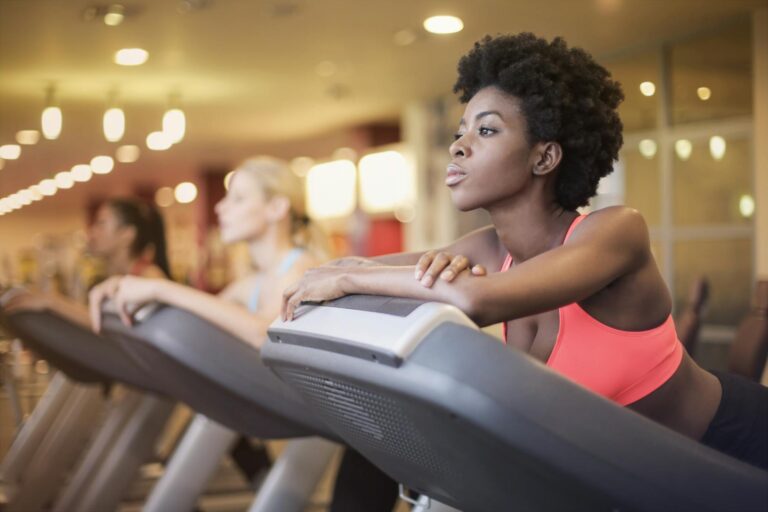
Fitness trends in 2026 emphasize running in group settings, like gym run clubs or events such as HYROX. These build community while training functional moves: pushing, pulling, lunging, and jumping. Such activities mimic real-life demands, improving how we carry loads or change direction without stumbling.
Podiatrists stress foot health as the base for good mobility. Healthy feet support balance during runs, and custom shoe advice or orthotics can fix issues like flat arches or heel pain early. Wearable tech tracks steps, heart rate, and recovery, helping runners adjust paces to avoid overload.
Therapists teach screening tools to spot fall risks, then tailor plans with running drills, motor learning exercises, and pain relief. Case studies show gains in gait speed and confidence. Even short runs or jogs restore fitness, countering the harms of too much sitting, which stiffens hips and slumps posture.
Data from trackers guides smarter training: lower recovery signals mean lighter sessions focused on technique. This approach turns running into a tool for lifelong steadiness, especially as policies start viewing exercise like running as key medical prevention for seniors.
Sources
https://mikestuder.com/course-offerings-2026-2027/
https://www.runnersworld.com/training/a69893880/habits-to-keep-up-your-running-motivation/
https://www.lifemaxx.com/en/blogs/blog/fitness-trends-2026-whats-changing-and-how-to-resp/
https://www.donaldphysiotherapy.com/guide-to-fall-prevention.html
https://www.lesmills.com/nordic/articles/7-key-trends-shaping-fitness-in-2026
https://www.ocfasa.com/step-into-2026-on-the-right-foot-start-the-new-year-with-healthy-feet