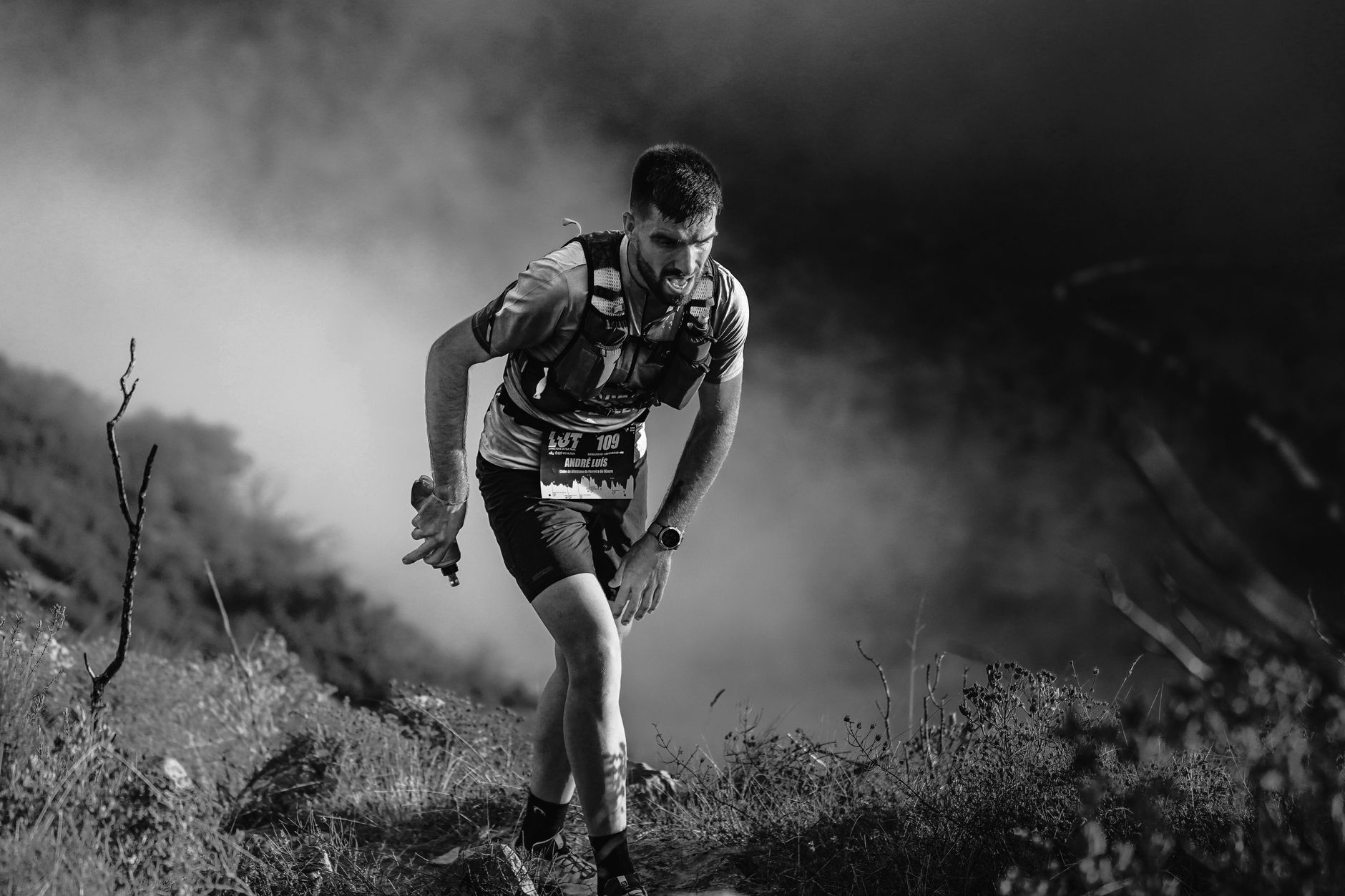
Uphill running technique means holding steady effort instead of steady pace, shortening stride as slope rises, and power hiking the steepest pitches. Power hiking is fast, purposeful walking with forward lean and strong arm drive. Even effort protects energy for later miles. Shorter steps, stable rhythm, and a timely switch to hiking keep muscles and breathing under control.
Medical information disclaimer: This article is for general educational purposes only and does not provide medical advice, diagnosis, or treatment. Always consult a physician or other qualified health professional about symptoms, medications, tests, or treatment decisions.
Table of Contents
- Run by effort, not pace
- How cadence and stride change on climbs
- When should you power hike?
- Save something for the crest
Run by effort, not pace
Pace always slows on climbs, so chasing flat-ground pace forces an early surge. According to Canadian Running Magazine, runners should keep effort even and avoid hammering early to finish strongly, as explained in this even-effort uphill guide.
Use breathing, perceived exertion, or heart rate as the governor. Let rivals go on the lower slope if holding your effort means passing them near the top.
How cadence and stride change on climbs
Speed on hills comes mainly from stride length, not faster leg turnover. An overground hill-running study found uphill stride length was 20.5% shorter while stride frequency stayed relatively stable. Measured cadence still drops as gradient steepens.
A Springer Sport Sciences for Health review cites steps falling from 180.6 to 174.6 to 163.8 steps per minute across grades, described in this trail running cadence review. Expect longer ground contact and higher demand on calves, quads, and heart. Keep steps quick, light, and low to the ground rather than lunging upward.
When should you power hike?
Practical trail guidance places the run-to-hike switch around 10-15% gradient. At the same effort, hiking becomes more economical than running once the slope forces very slow speed and long contact time.
Use this form checklist on steep walking pitches: On a 30-degree treadmill, elite trail runners used distinct gaits, with running cadence about 40% quicker than walking. Walking cost less metabolic power at slow speeds, with costs converging near 0.8 meters per second.
- lean forward from the ankles, not the waist
- push hands firmly against thighs on each step
- take short, constant steps with upright hips
- keep eyes a few meters ahead, not at feet
Save something for the crest
Uphill strides have longer cycle and ground-contact times than downhill strides, with greater force impulse uphill. A Frontiers in Physiology study reported 0.84 versus 0.64 seconds for cycle time and 0.46 versus 0.26 seconds for contact time, detailed in these short-trail stride measurements. That load raises recovery needs after the climb.
Research summarized by Canadian Running Magazine found about 78 seconds to recover after uphills versus 23 seconds after downhills, with wide differences in downhill skill. Ease over the top instead of sprinting the crest, then settle into rhythm. Practice uphill-to-flat and uphill-to-downhill transitions so legs adjust quickly without stumbling.