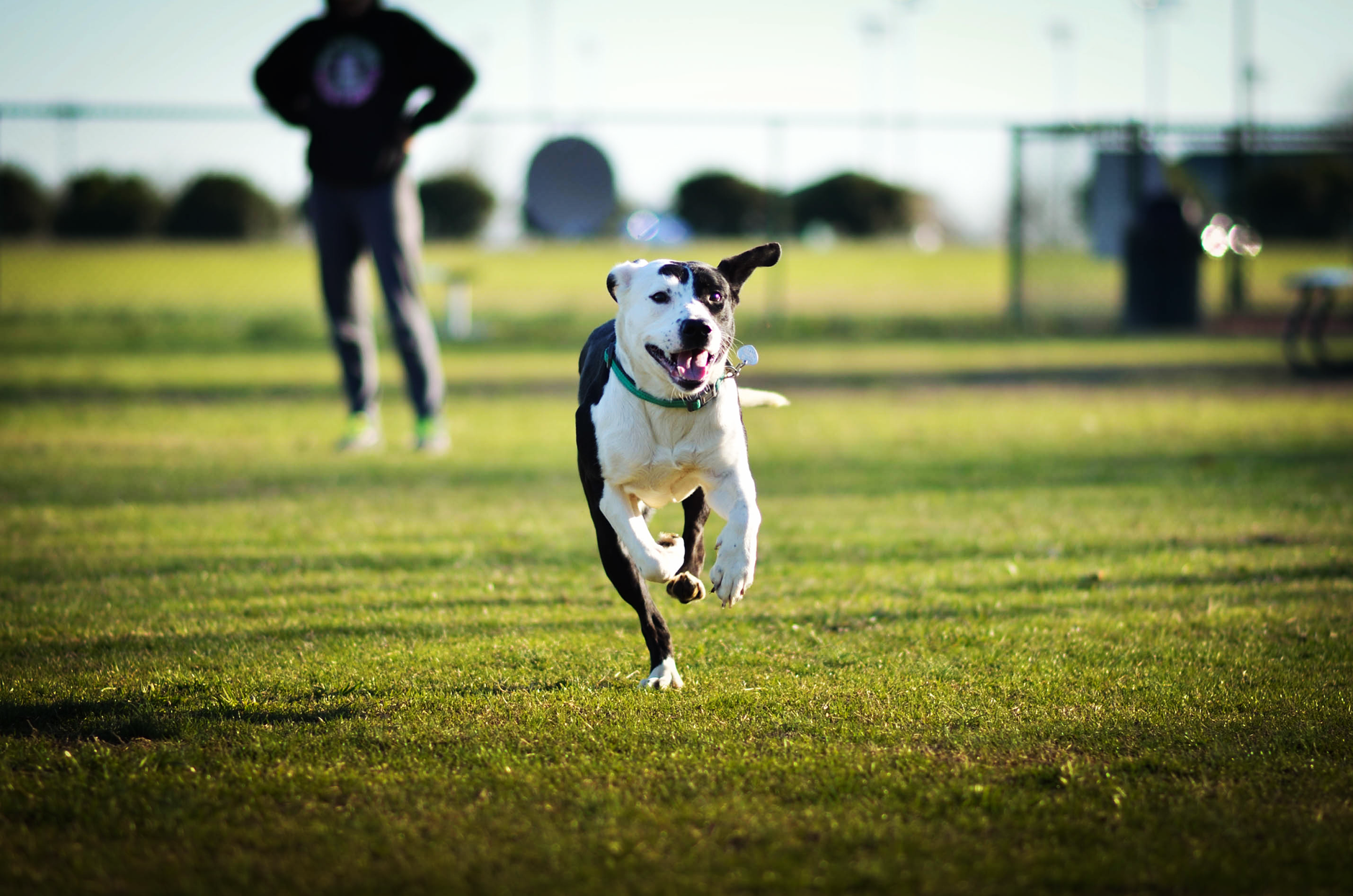
Running with a dog is safe when distance matches age and fitness, heat stays low, and the leash stays on in public. That means waiting until bones mature, shortening runs in warm weather, and controlling pace, water, and footing. Exertional hyperthermia means dangerous overheating during hard exercise. Dogs develop it fast, so the runner sets the limits.
Medical information disclaimer: This article is for general educational purposes only and does not provide medical advice, diagnosis, or treatment. Always consult a physician or other qualified health professional about symptoms, medications, tests, or treatment decisions.
Table of Contents
- When can a dog start running?
- Why does heat matter more than distance?
- How should you manage water, footing, and pace?
- What keeps the leash safe for everyone?
When can a dog start running?
Strenuous running should wait until long-bone growth plates close. According to NCSU sports-medicine proceedings by Denis Marcellin-Little, closure happens at about 10 months in large breeds.
Small breeds mature earlier and giant breeds mature later. Running hard before closure raises fracture and trauma risk. Use age as a gate, not eagerness or energy.
Why does heat matter more than distance?
Exercise causes most heatstroke, not weather alone. According to the Royal Veterinary College and Nottingham Trent University study, exertion caused 74% of dog heatstroke cases, hot weather alone caused 13%, and hot vehicles caused 5% in the heatstroke findings. Cornell University College of Veterinary Medicine reports that dogs develop exertional heatstroke quickly during strenuous exercise, especially in hot, humid, or unfamiliar conditions.
Even fit sporting dogs can become ill and die. To prevent heat illness, Virginia Tech veterinary school summarizing American Veterinary Medical Association guidance advises avoiding peak heat, giving unlimited fresh water and shade, and shortening runs. Watch for these warning signs: Overweight and flat-faced breeds face the highest risk.
- heavy panting, drooling, or weakness
- vomiting or diarrhea
- abnormal gums
How should you manage water, footing, and pace?
Start and end with several minutes of walking. According to American Kennel Club training advice, runners should warm up and cool down dogs on foot, carry water and offer it regularly, and limit intensity because dogs tolerate heat and humidity worse than humans in the running training guide.
Pavement can burn paws and raise body temperature. According to Mesa County Animal Services guidance, press the back of the hand flat on pavement for 7-10 seconds before running; if it is too hot to hold, choose grass, run in morning or evening, or use boots in the pavement test guidance.
What keeps the leash safe for everyone?
Keep running dogs leashed in public, preferably on a short leash or harness. According to American Veterinary Medical Association bite-prevention guidance, owners should obey leash laws and train recall, sit, and stay because most bites are preventable and leashing prevents roaming, collisions, and bites in the bite-prevention guidance.
A short leash keeps the dog near your stride and away from people, bikes, and other dogs. Practice stops and turns at walking speed before adding running speed.