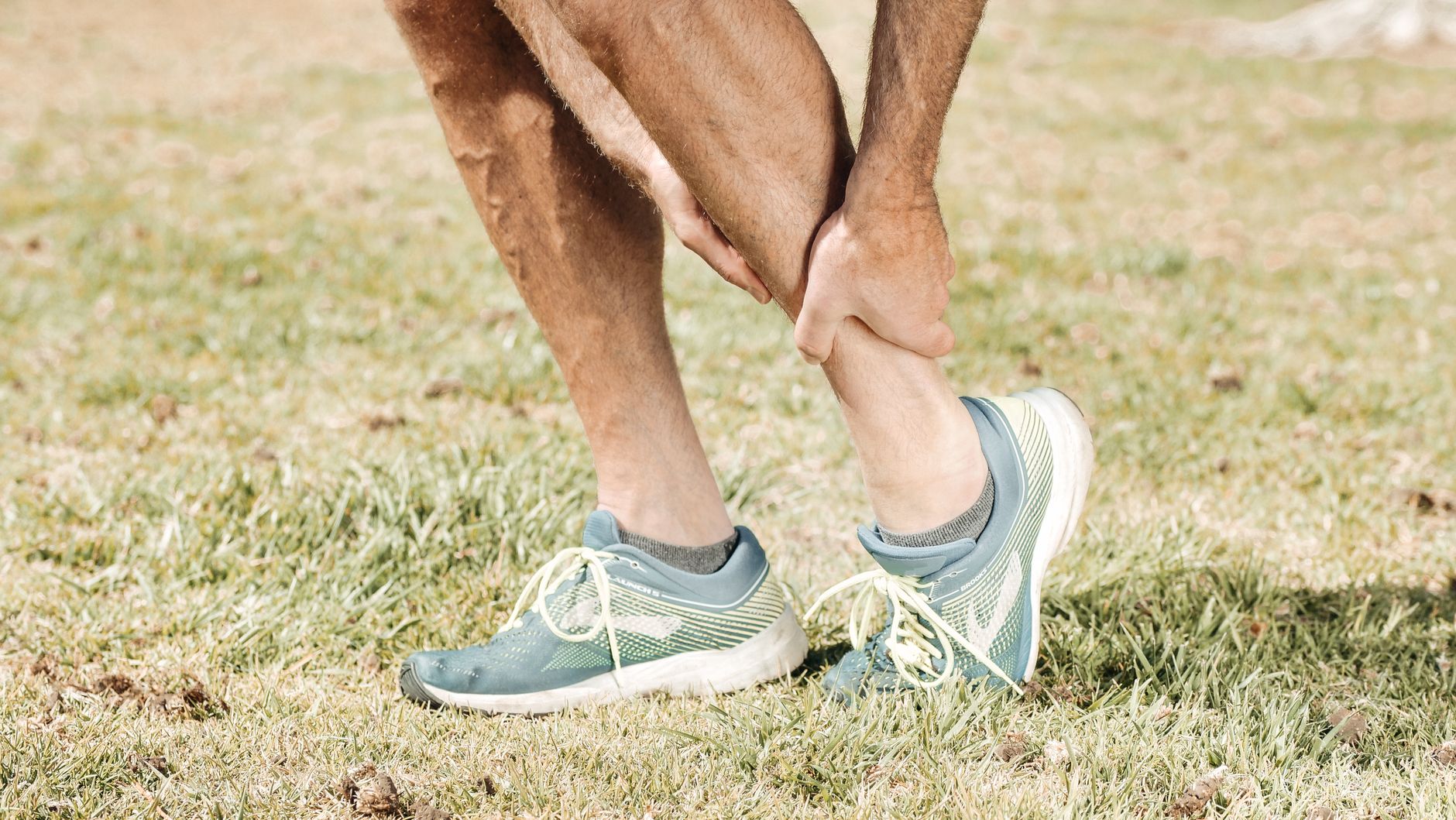
Running injury prevention means avoiding form and training errors that overload tissue faster than it can adapt. The biggest mistakes are sudden jumps in a single run, continuing when fatigue disrupts form, returning too quickly after an injury, and treating one tactic as a guarantee. Running-related injuries are common: 26.2% of runners in 36 prospective studies were injured, most often at the knee, foot or ankle, and lower leg, according to the National Athletic Trainers' Association's systematic review. The review also found no universal safe progression formula.
Medical information disclaimer: This article is for general educational purposes only and does not provide medical advice, diagnosis, or treatment. Always consult a physician or other qualified health professional about symptoms, medications, tests, or treatment decisions.
Table of Contents
- Avoid the "one big run" mistake
- Let form set the end point
- Do not resume old volume after an injury
- Do not rely on strength work alone
- Use feedback for a specific form problem
Avoid the "one big run" mistake
Weekly totals can hide a risky workout. A runner may keep the same weekly mileage yet make one long run far longer than their recent longest effort. In an 18-month study of 5,205 adult runners, a single run more than 10% longer than the runner's longest run in the previous 30 days was linked with higher overuse-injury rates.
The study's clearest practical lesson is to build long runs from what your body has recently handled, rather than trying to make up missed distance in one session. The British Journal of Sports Medicine cohort used self-reported injuries and was predominantly male, so use the finding as a guardrail rather than a universal threshold. Use recent training as your reference point:.
- Compare the planned long run with your longest run from the past month.
- Break a large jump into several smaller outings.
- Treat a missed week as a reason to rebuild, not to compress the plan.
- Reduce the day's goal if soreness changes how you run.
Let form set the end point
Form errors often become more visible as fatigue rises. Running with a collapsing posture, uneven side-to-side movement, noisy impacts, or feet crossing toward the body's midline can turn a routine run into repeated poorly controlled loading. The American College of Sports Medicine advises runners to keep the head, spine, and hips aligned; maintain symmetrical movement; avoid crossing the feet over the midline; and aim for quiet landings.
ACSM's running guidance also advises against exceeding your endurance when fatigue causes form to deteriorate. Do not try to force a perfect-looking stride late in a run. Instead, use a simpler decision: slow down, take a brief walk break, or switch to short run-walk intervals when you cannot keep movement controlled and even.
Do not resume old volume after an injury
A previous running-related injury changes the next training decision. It is not simply a past event; it is a reason to make the return more gradual and responsive.
A systematic review of long-distance runners identified previous running-related injury as the most important risk factor for a new injury. The Journal of Sport and Health Science review supports an individualized return instead of immediately restoring former mileage, pace, or long-run duration. A cautious return can look like this:.
- Start with an effort that leaves your gait unchanged.
- Change one major variable at a time, such as distance, hills, or speed.
- Keep recovery days easy enough to notice whether symptoms settle.
- Pause progression if pain alters your stride or returns earlier in the next run.
Do not rely on strength work alone
Strength training can be a useful part of a runner's routine, especially when it improves overall capacity and control. It does not replace sensible exposure to running.
In a randomized pilot study of novice university runners, replacing some running volume with strengthening did not significantly reduce injuries or improve running speed. A 2024 meta-analysis also found no overall injury-risk reduction from exercise-based prevention programs, though supervised programs showed lower risk and much of the included evidence was low quality. The pilot trial and meta-analysis point toward a broader approach: use strengthening to support training, while still managing run duration, intensity, recovery, and fatigue.
Use feedback for a specific form problem
Generic cues can distract a runner or prompt an awkward correction. Feedback works best when it addresses a visible, repeatable issue, such as crossing over, uneven movement, or excessive impact noise.
In a randomized trial of 320 novice runners, two weeks of feedback-based gait retraining was associated with 16% injury occurrence at one year, compared with 38% in controls. That result applies to a supervised novice-runner intervention, making guided feedback more useful than copying a blanket form cue from another runner. The American Journal of Sports Medicine trial.