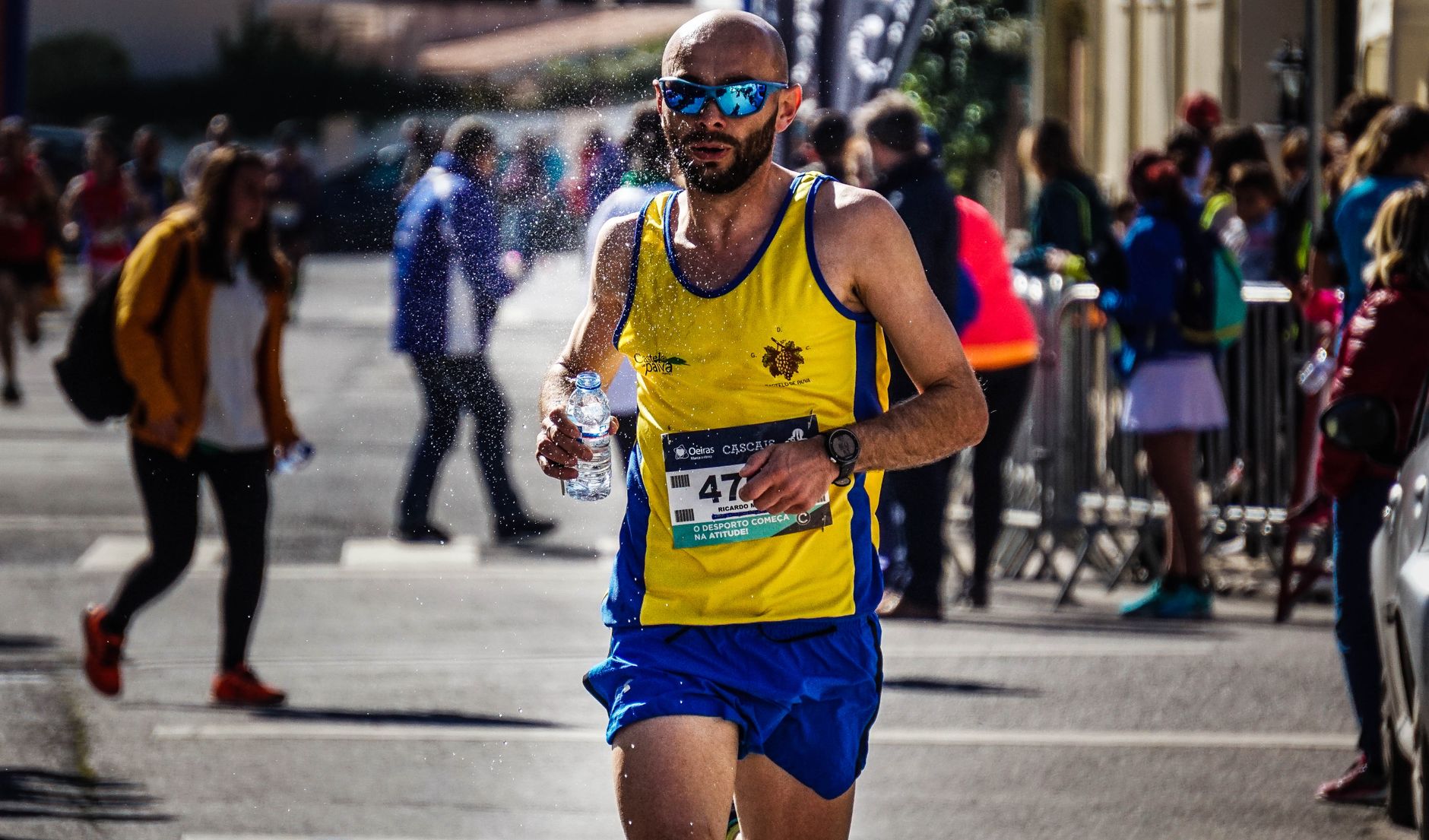
In humid heat, slow your pace and run by heart rate or perceived effort. Heat index, the apparent temperature felt in shady, light-wind conditions, shows why the same air temperature feels much harder as humidity rises.
The National Weather Service says the index combines air temperature and relative humidity to estimate what the body feels in shade what the heat index means. That number matters for runners because humid air slows sweat evaporation, the main cooling route during exercise. Check it before setting pace, distance, and break plans.
Medical information disclaimer: This article is for general educational purposes only and does not provide medical advice, diagnosis, or treatment. Always consult a physician or other qualified health professional about symptoms, medications, tests, or treatment decisions.
Table of Contents
- What does the heat index mean for your run?
- Why does humidity make running harder?
- How should you change pace and effort?
- What hydration and safety steps help?
What does the heat index mean for your run?
As one example, the National Weather Service reports 96-degree air with 50 percent humidity feels like 108 degrees National Weather Service heat-index example. Full sun can raise any heat-index value by up to 15 degrees. Judge the run by the higher feels-like number, not the thermometer alone.
Risk climbs quickly as that number rises, according to the NOAA heat-index chart from the National Weather Service NOAA heat-index chart. Treat 90 degrees as the point where heat planning starts, not as safe summer heat. Humid days can push you into a higher band with little change in air temperature. That is why effort can spike even when the thermometer barely moves.
- 90-103°F: heat stroke, cramps, or exhaustion are possible.
- 103-124°F: cramps and exhaustion are likely, with stroke possible.
- 125°F-plus: stroke is highly likely with prolonged activity.
Why does humidity make running harder?
High humidity impairs sweat evaporation, the body's main cooling route during exercise, according to a CDC report on heat illness in athletes. Less evaporation means core temperature climbs faster and exertional heat illness risk rises. The effect appears even at moderate air temperatures, so humid days deserve added caution.
Runners adjust with about 10 to 14 days of gradually longer and harder warm-weather sessions, according to CDC and NATA guidance. Adaptation lowers heart rate, keeps core temperature cooler, and reduces perceived effort. Give new heat exposure time before expecting normal pace.
How should you change pace and effort?
In heat and humidity, slow the target pace and cap duration and intensity. A 2024 Berlin Marathon study in PLOS ONE found rising heat slowed race pace, supporting effort-based adjustment 2024 Berlin Marathon analysis.
Run by heart rate or perceived effort, with added walk, rest, and shade breaks. Do not force a cool-weather pace on a humid day. Use these checks before and during the run:.
- Start from the heat index, not air temperature alone.
- Set an effort ceiling and let pace fall to hold it.
- Add early walk breaks and shade stops.
- Shorten the session when strain rises early.
What hydration and safety steps help?
Athletes should hydrate before, during, and after strenuous activity, according to CDC guidance from August 2010. Replace sweat and urine losses with water plus salt or electrolyte sports drinks. That added sodium and electrolyte replacement matters most for sessions over about 45 to 60 minutes.
Heat index omits sunlight, wind, radiation, and exertion, so it can understate track and road strain. Teams should use on-site wet-bulb globe temperature where available, according to a National Athletic Trainers' Association position statement. Suspected exertional heat stroke needs immediate whole-body cold-water immersion and emergency services activation.
1 thought on “Running in Humidity: Heat Index and Effort Adjustments”
Comments are closed.