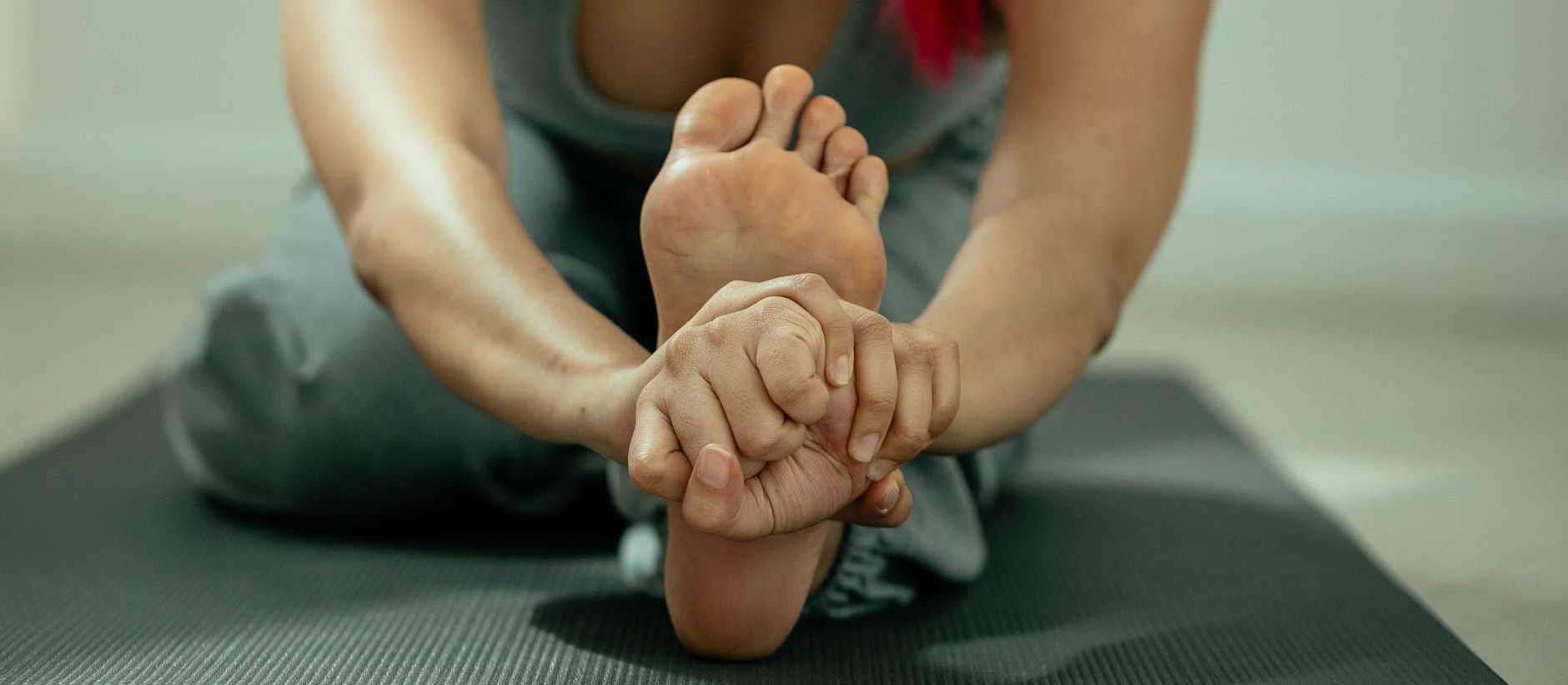
Slow your pace, cut distance, and rebuild gradually to keep running with plantar fasciitis. Plantar fasciitis is irritation of the thick band of tissue that supports the foot arch. It typically causes sharp heel pain with the first morning steps that eases after walking but returns after prolonged standing or sitting.
It affects runners and adults ages 40-60 most often, according to Mayo Clinic Health System. Faster running raises impact load, while sudden mileage jumps overload the tissue. Most runners recover with stretching, load control, and supportive shoes over weeks to months.
Medical information disclaimer: This article is for general educational purposes only and does not provide medical advice, diagnosis, or treatment. Always consult a physician or other qualified health professional about symptoms, medications, tests, or treatment decisions.
Table of Contents
- Does faster pace raise heel load?
- Should you cut mileage or stop completely?
- When are you ready to run again?
- What speeds recovery and eases morning pain?
Does faster pace raise heel load?
Yes. Faster pace raises vertical impact loading rates linked to plantar fasciitis and kneecap pain. The Harvard running study summarized by OrthoSpineNews found that slowing pace, shortening stride, and slightly raising cadence can reduce load during return to running Harvard running study summary.
Try 5 to 10 percent quicker steps with a shorter stride and quiet landings. Avoid overstriding, sudden hard-surface switches, and unsupportive shoes. Keep early comeback runs slow and even.
Should you cut mileage or stop completely?
Distance matters more than toughness. UC Davis Health explains that rapidly raising distance or intensity without enough recovery overloads the plantar fascia UC Davis Health risk guide. Risk rises with unsupportive shoes and sudden shifts to hard surfaces or minimalist shoes.
You rarely need full rest. Reduce weekly mileage, add rest days, and replace some runs with cycling or swimming to stay fit. Weight control also lowers foot load, which helps heavier runners most.
When are you ready to run again?
Use a simple test. The StayAtHomePT physical therapy guide advises 30 minutes of pain-free brisk walking near 3.5 mph plus hopping tolerance before running StayAtHomePT running guide.
Then start with short slow runs and raise distance and speed gradually, not back to prior mileage at once. Build in small steps: Skip the run if morning first-step pain spikes the next day. Cross-train instead and repeat the prior pain-free week.
- Walk briskly 30 minutes without pain
- Try 1-minute slow jogs with walking breaks
- Add 5 to 10 percent weekly time before adding speed
What speeds recovery and eases morning pain?
Daily calf and plantar-fascia stretching, less standing strain, and supportive footwear form the base. OrthoPaedia notes most patients improve within weeks and resolve within 6 to 12 months, with over 90 percent avoiding surgery. Add slow heel raises with toes elevated every second day. The finding comes from the University Hospitals of Derby and Burton NHS leaflet on Rathleff et al.
2014 Derby and Burton NHS leaflet. It reports faster pain relief and better function than stretching alone at 12 months. For morning pain, a dorsal night splint holds the ankle dorsiflexed to prevent overnight shortening of fascia and calf, says Hospital for Special Surgery. Tolerance varies, so evening-only wear is an option. Barefoot running on grass showed lower pain with load in only a small prospective case series, so it is not general proof.