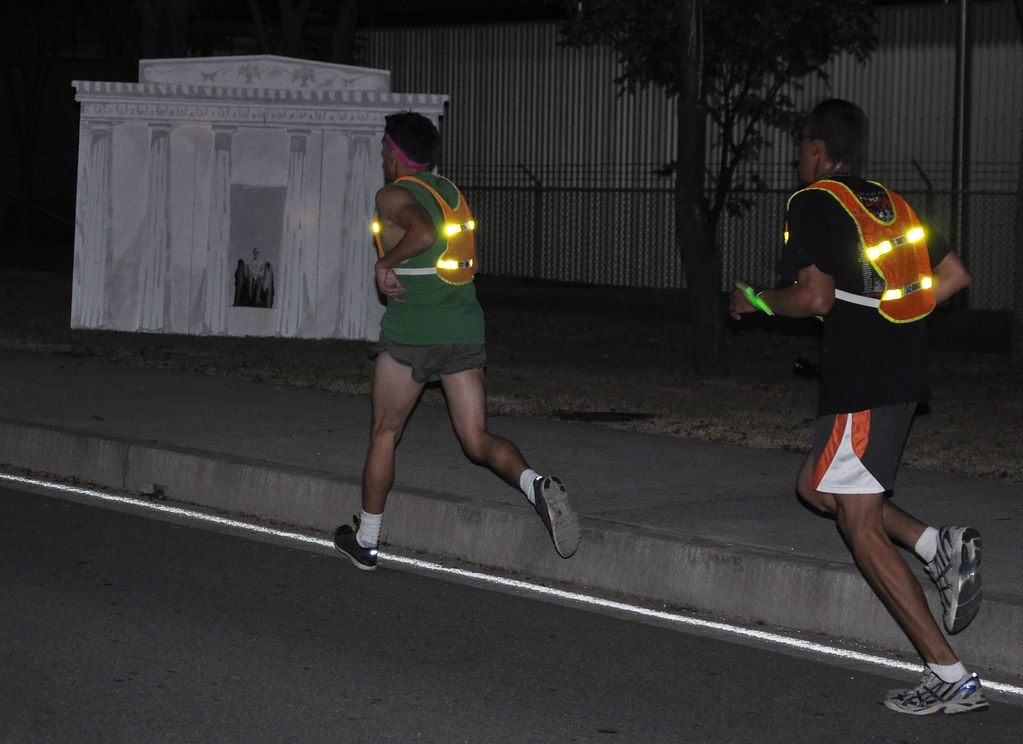
A recovery run should feel fully conversational from start to finish. You should be able to speak in complete sentences with relaxed breathing and no gasping. A recovery run is a short, relaxed run done after harder training. Its purpose is gentle movement and routine, not pushing fitness higher that day.
Medical information disclaimer: This article is for general educational purposes only and does not provide medical advice, diagnosis, or treatment. Always consult a physician or other qualified health professional about symptoms, medications, tests, or treatment decisions.
Table of Contents
- How do you know you are slow enough?
- What heart rate matches easy running?
- How much slower than race pace?
- Why does running slower help?
- When should you ignore your watch?
How do you know you are slow enough?
Use the talk test as your main guide. Harvard Health Publishing explains that easy and recovery running should stay fully conversational, and needing broken phrases or gasps means the pace is too hard understanding exercise heart rate zones.
The same effort maps to very easy to easy exertion, about RPE 2-3. Harvard Health Publishing describes this as being able to talk easily, with singing possible at the lightest end. Slow down right away if you notice these signs:.
- sentences break into short phrases
- breathing turns loud or hurried
- you cannot keep talking comfortably uphill
What heart rate matches easy running?
Physiologically, easy Zone 2 running is commonly defined as about 60-70% of maximum heart rate. RUN247 Guides describes this as a steady effort that can be sustained for a long time. That zone sits in the lower-moderate range.
Mayo Clinic cites the American Heart Association framework that places moderate intensity at about 50-70% of maximum heart rate and vigorous work at about 70-85% how to measure exercise intensity. For recovery, aim for the lower part of that moderate band. If effort creeps toward vigorous, shorten your stride, walk hills, and rebuild an easy rhythm.
How much slower than race pace?
A practical coaching rule starts with goal race pace. The Runnin' for Sweets coaching guide puts easy running at 60-90 seconds per mile slower than goal race pace, with dedicated recovery pace another 30-60 seconds per mile slower than easy. A runner targeting 9:00 per mile might run easy around 10:00-10:30.
True recovery for that runner would fall around 10:30-11:30. Use pace as a starting range, not a strict target. Heat, hills, fatigue, and poor sleep can make the same pace feel harder.
Why does running slower help?
Most strong training includes far more easy running than hard running. Exercise physiologist Stephen Seiler's observation of elite endurance athletes, popularized as 80/20 or polarized training, finds about 80% of sessions are genuinely easy and only about 20% are hard, with little moderate gray-zone running run slow to run fast. The strongest cited evidence comes from recreational runners.
Muñoz, Seiler and colleagues reported in 2014 that runners using polarized distribution improved 10K-related performance and aerobic markers more than a higher-threshold group. The lesson for health runners is simple. Keep easy days truly easy so hard days can stay strong and total stress stays manageable.
When should you ignore your watch?
Heart-rate numbers have real limits. Northwell Health cardiology explains that maximum heart rate is often estimated as 220 minus age, while wrist sensors can drift with heat, fatigue, and cardiac drift max heart rate explainer.
That makes the talk test the more reliable day-to-day governor. If the watch says easy but speech is strained, slow down until sentences come easily again.
2 thoughts on “Easy Running Pace: How Slow Should Recovery Runs Feel?”
Comments are closed.