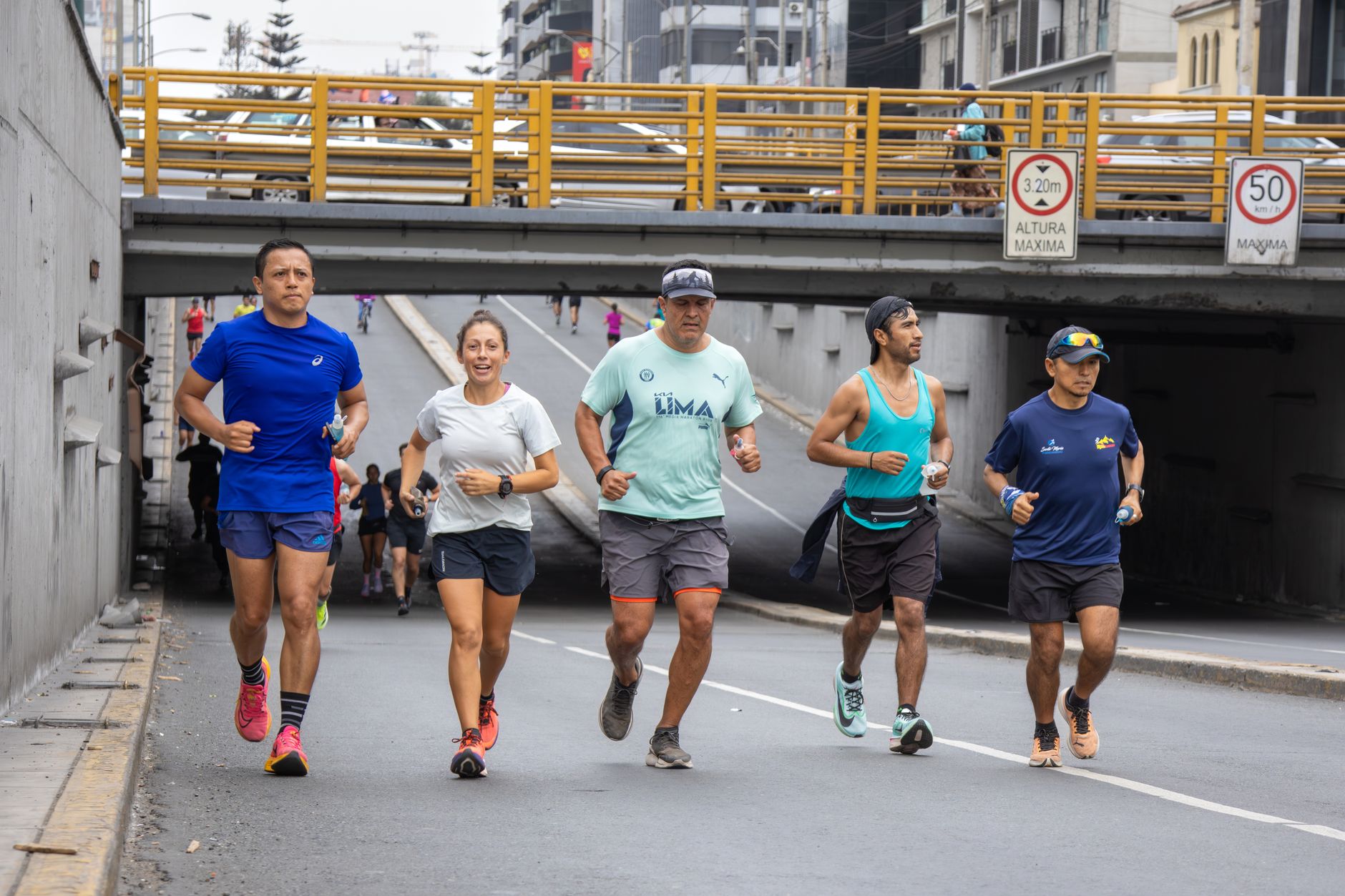
A drink after running helps you doze off faster but harms sleep, lowers heart-rate recovery, and slows muscle repair. Overnight, it fragments sleep, suppresses HRV, heart-rate variability, and raises resting heart rate, leaving you less recovered for the next run. The effect grows with dose. Wearable studies show more drinks mean less nighttime recovery, shorter sleep, and less movement the next day.
Medical information disclaimer: This article is for general educational purposes only and does not provide medical advice, diagnosis, or treatment. Always consult a physician or other qualified health professional about symptoms, medications, tests, or treatment decisions.
Table of Contents
- Why do you fall asleep faster, then sleep worse?
- What happens to heart rate and HRV overnight?
- Does a drink block muscle repair?
- How should runners handle hydration and timing?
Why do you fall asleep faster, then sleep worse?
Alcohol shortens time to fall asleep. It suppresses REM, rapid-eye-movement, sleep in the first half of the night, as described in a 2011 ScienceDaily summary of research in Alcoholism: Clinical and Experimental Research.
In the second half, sleep turns shallower. Awakenings increase and REM rebounds. For a runner, that often means restless early-morning hours before a workout.
What happens to heart rate and HRV overnight?
Pietilä and colleagues tracked 4,098 Finnish adults with beat-to-beat sleep recordings. Alcohol suppressed parasympathetic HRV during the first 3 hours of sleep dose-dependently, with high doses cutting HRV-derived recovery by 39.2%, reported in the JMIR Mental Health study.
The same pattern appears in 20,968 WHOOP wearers over 5.1 million days. Each extra drink versus the person's own baseline raised overnight resting heart rate by 2.4 bpm in males and 2.8 bpm in females and lowered HRV by 3.3 ms and 3.8 ms, according to the WHOOP press summary of the PLOS Digital Health studies. Those wearers also slept less on drinking nights and moved less the next day, with larger drops as drinks rose.
Does a drink block muscle repair?
After combined endurance-plus-resistance exercise, Parr and colleagues found alcohol suppressed elevated myofibrillar protein synthesis during 8-hour recovery by about 37%. Myofibrillar protein synthesis is the muscle-rebuilding process that supports adaptation. The impairment remained even when 25g protein was eaten with alcohol.
That trial used a very high dose, about 1.5 g/kg or roughly 8-12 standard drinks. A single post-run drink is not shown to cause the same 37% loss. Previous-night drinking with hangover cut next-morning exhaustive severe-intensity time-to-exhaustion by about 11% in a 2021 International Journal of Sports Physiology and Performance study. Maximal strength, power, and muscular endurance did not change.
How should runners handle hydration and timing?
Alcohol blocks vasopressin, also called antidiuretic hormone, which helps kidneys retain water. It raises urine loss and harms post-run rehydration.
CDC heat-stress guidance says alcohol can cause dehydration and advises avoiding it within 24 hours of heat or exertion. Runners who prioritize adaptation can lower the cost: A post-run beer is less costly far from sleep, after fluids and protein, than a nightcap after an evening run.
- Separate drinking from hard training or racing
- Rehydrate first with water and electrolytes
- Eat enough protein with the meal
- Keep alcohol away from bedtime